-
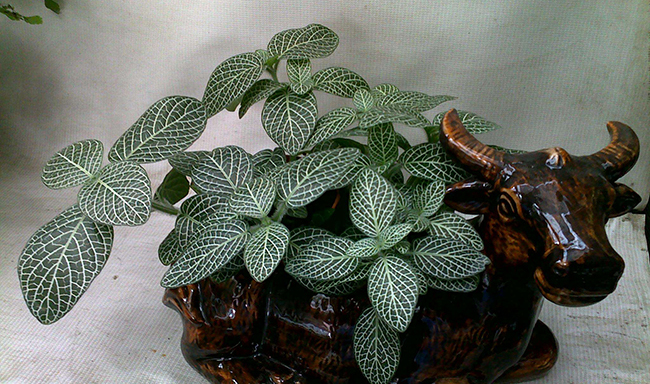
How to Grow Fittonia? Detailed Guide to Cultivation Methods and Precautions
Fittonia Growing Environment Fittonia prefers a hot, humid and semi-shaded environment. It is a heat-loving plant and is especially sensitive to temperature. The optimum growing temperature is 18-24°C. In winter, the temperature should not fall below 13°C; normal growth can be maintained at 13-16°C. Below 13°C growth stops and some leaves begin to drop
-

Can Fittonia be grown in water? With growing methods and precautions
Fertilizer application: When fertilizing Fittonia, also follow the fertilization principle of "light fertilizer applied frequently, small amounts with more applications, complete nutrition," applying a compound fertilizer once a month as a top dressing. Watering key points: Try to schedule watering Fittonia in the morning when temperatures are lower. In summer, water in the morning or evening when temperatures are low
-
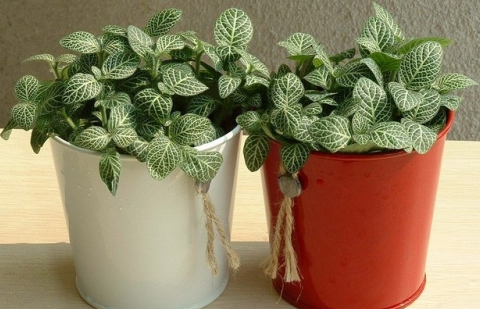
How to grow and care for nerve plant (Fittonia) and things to watch out for: does it bloom?
Nerve plant (Fittonia) is a very fresh, delicate potted plant, extremely popular both in China and abroad. If you grow it well, it is truly a fresh, delicate beauty; if you happen to not grow it well, then you should learn from the experience. Let us find out about the growing methods and precautions for nerve plant. Does nerve plant bloom?
-
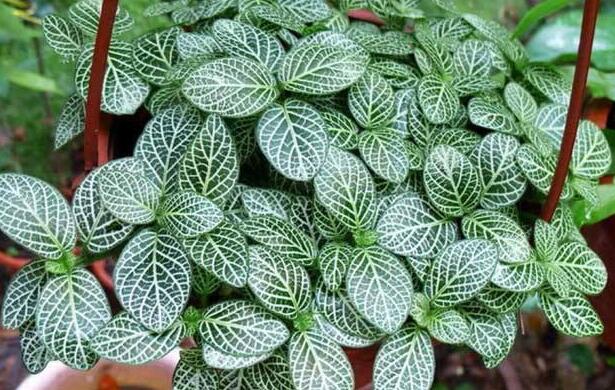
How to Grow Fittonia? Detailed Guide to Cultivation Methods, Precautions and Tips for a Full, Bushy Plant
Because Fittonia has many benefits and effects, and its cultivation method is relatively simple, more and more people are growing it. This small, delicate plant is generally grown as a potted plant or in hanging baskets.
-
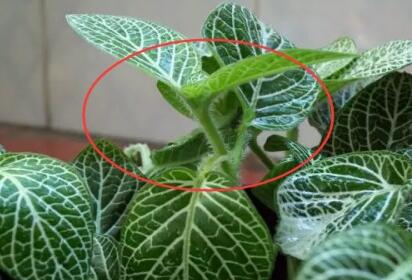
How to prune Fittonia (nerve plant) when it grows too tall? Detailed guide to pinching and cutting back
As long as Fittonia is given a suitable environment, its growth rate is very fast, and this advantage also becomes a trouble for some flower growers, because it grows so wildly that the pot is packed full, which to a certain extent affects the beauty of the plant's shape and reduces its ornamental value. To solve this trouble, pruning is needed.
-
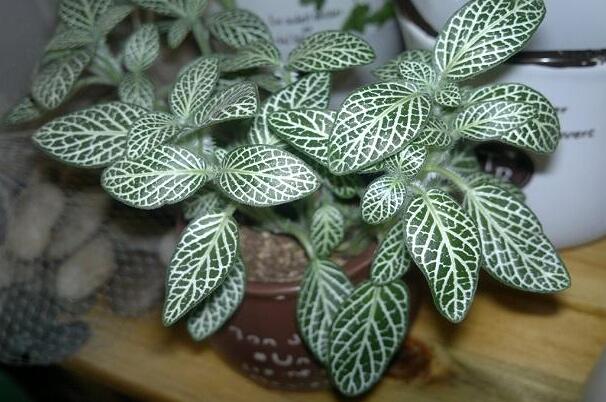
What to Do When Fittonia Leaves Wilt? Learn Four Tricks to Bring the Leaves Back to Verdant Green
The most distinctive feature of Fittonia is the red or white network pattern on its leaves, but if you don't know how to grow Fittonia, you may run into some headache-inducing problems, such as wilting leaves. So what should you do when Fittonia leaves wilt? Below are several main causes and solutions.
-
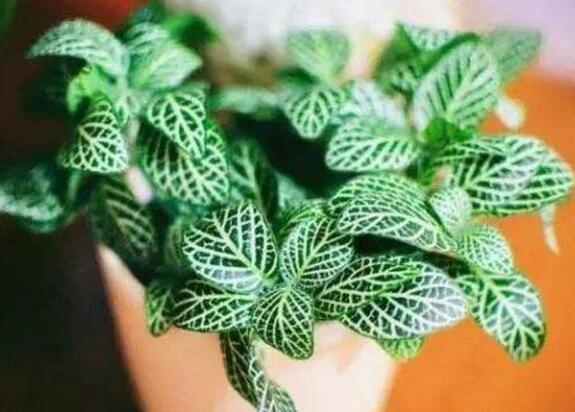
How to Care for Fittonia in Winter? Four Tips to Prevent Leaf Wilt, Temperature Control Is Key
Because Fittonia has only average cold tolerance, how to get it through the winter becomes a headache for many flower lovers. If the method is wrong, it easily causes leaves to wilt and drop, which greatly reduces the benefits and effects of Fittonia. So how do you care for Fittonia in winter? Below, the editor will tell you a few of the most practical tips.
-
-
How to Grow White Fittonia? A Detailed Guide to Care Precautions
Potting soil requirements: For potted plants, sandy loam rich in humus is ideal. You can also use a mix of 50% peat moss or coconut coir, 30% pond mud, and 20% river sand, or a loose, water-retentive peat-based potting soil. Because its root system is relatively shallow, planting does not require a deep pot; a wide, shallow pot is better.
-
A Detailed Guide to Growing and Caring for Fittonia
Light and Temperature Fittonia prefers a semi-shaded growing environment and dislikes direct sunlight. In summer, Fittonia needs to be shaded, blocking out most of the sunlight. In winter, Fittonia can be moved indoors to a spot where it can receive sunlight for care
条件筛选