-

What is the difference between the poison bulb (Crinum asiaticum) and the spider lily (Hymenocallis littoralis)? The latest detailed comparison
The poison bulb (Crinum asiaticum) and the spider lily (Hymenocallis littoralis) are two very similar plants. If you are not very familiar with flowers, or have only seen one of them, it is very easy to confuse the two. So are the spider lily and the poison bulb really that hard to tell apart? Below, Qinnong Web will introduce
-
How to Grow Potted Pittosporum? A Detailed Guide to the Latest Cultivation Methods
Pittosporum is also known as Qilixiang, Baozhuxiang, Shanruixiang, etc. It is an evergreen shrub or small tree of the genus Pittosporum in the family Pittosporaceae, reaching up to 6 m tall, with young branches covered in brown soft hairs, and umbel inflorescences or corymbose umbel inflorescences terminal or nearly terminal. It can usually be planted as a hedge, and can also be planted singly or in clumps.
-
How to Propagate Glehnia littoralis? A Detailed Guide to the Latest Propagation Methods
Glehnia littoralis is the root of the umbellifer (Apiaceae) plant Glehnia littoralis (beach silvertop), which is processed and dried for medicinal use. It has effects such as moistening the lungs and stopping cough, and nourishing the stomach and promoting body fluid production; it is used for dry cough due to lung dryness, damage to body fluids from febrile disease, thirst and other conditions. It has strong adaptability to climate, prefers sunny, warm and humid environments, and is mainly produced in the Laiyang and Weifang areas of Shandong, with production also in Hebei, Liaoning and other places. Let us now take a look at the propagation methods of Glehnia littoralis!
-
What are the latest production area distributions of Bei Sha Shen (Glehnia littoralis)?
Bei Sha Shen (Glehnia littoralis) is also known as Laiyang ginseng, sea ginseng, silver ginseng, Liaoning ginseng, Su striped ginseng, striped ginseng, northern striped ginseng, etc. It is the root of the Umbelliferae plant Glehnia littoralis, sweet in taste, and is a commonly used clinical yin-nourishing medicine. It nourishes yin and clears the lungs, eliminates phlegm and relieves cough, and is mainly used to treat dry cough from lung dryness, damage to body fluids from febrile disease,
-
A Detailed Guide to Selecting and Raising Glehnia littoralis Seeds
On hillsides and in wasteland in rural areas, all kinds of plants are often seen, and many plants have certain medicinal effects and are used in medicine. For example, the root of Glehnia littoralis has many effects: it can nourish yin and clear the lungs, resolve phlegm and relieve cough. It is mainly used for dry cough due to lung dryness, damage to body fluids from febrile disease, thirst, and other symptoms
-
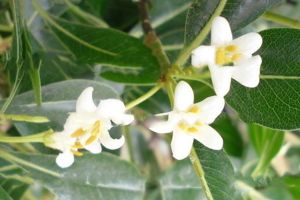
What are the methods for preventing and treating pests and diseases of Pittosporum tobira?
The flowers of Pittosporum tobira are small and white, very lovely, and a great helper in landscaping. With Pittosporum tobira helping to green the landscape, it can fill gardens with vitality and add a touch of brightness to the city. But if Pittosporum tobira gets sick or infested with insects, that vitality is gone, and so is the brightness. Therefore, we must take good care of it and prevent pests and diseases. To ensure they grow normally and play their role in beautifying our homes, we must first understand what pests and diseases there are, and then treat them according to the symptoms.
-
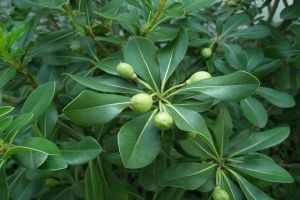
How to Grow Pittosporum tobira? Detailed Guide to Cultivation Methods and Precautions
Pittosporum tobira is a shrub-type plant with a very wide distribution, and with the advancement of landscaping techniques, more and more people have started growing this plant at home. Many people are particularly fond of it, but sometimes, due to their own carelessness or a lack of landscaping knowledge, they don't understand how to grow it or what to pay attention to. So today let's talk about these points.
-
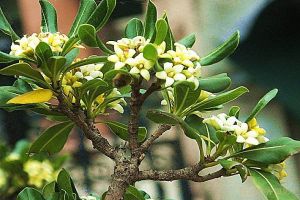
How to Propagate Pittosporum? A Detailed Guide to Common Pittosporum Propagation Methods
Pittosporum comes in many varieties, and it has an extremely strong adaptability to climate and many benefits of its own. Besides being ornamental, it can also absorb sulfur dioxide, and on top of that it can stop bleeding and disperse blood stasis, so it can be said to combine multiple functions in one, which is why people now tend to plant it in their gardens. Generally speaking, pittosporum is extremely easy to propagate. So if you have the idea of growing it, you can also start raising it from its youth. Below we will explain exactly what the specific methods look like.
-
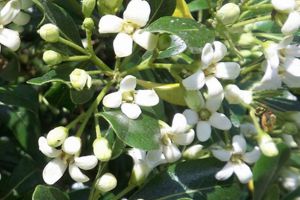
What are the effects and functions of Pittosporum tobira? A detailed explanation
A plant with small white flowers is often seen along city roads; this is Pittosporum tobira. These flowers are small and delicate, with a rich fragrance, and are very beautiful. Not only that, it also has many medicinal effects. Let's learn about them together!
-
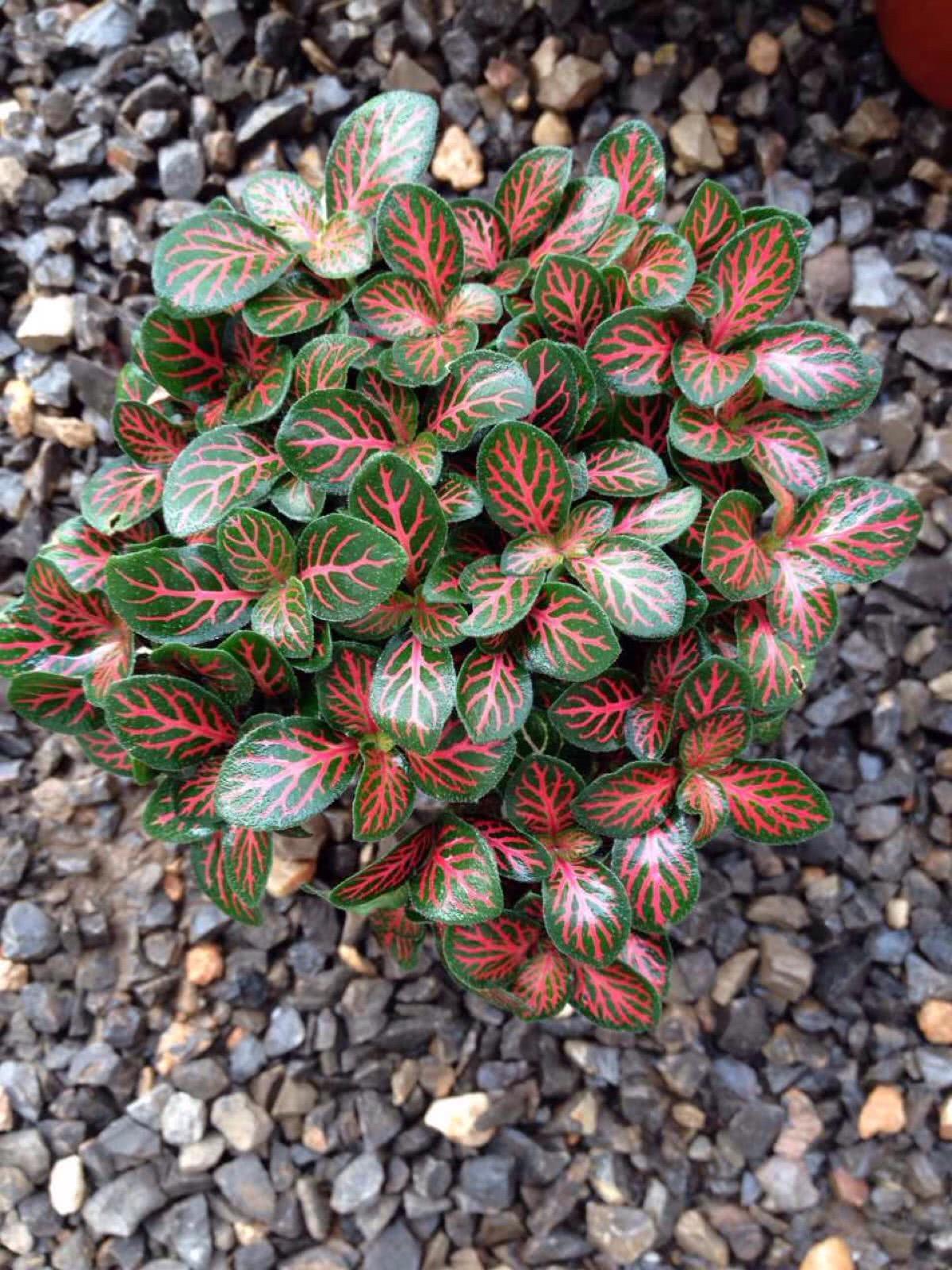
Fittonia leaves have veins like a checkerboard, a unique and beautiful foliage plant
Fittonia belongs to the Acanthaceae family, genus Fittonia. Fittonia plants are short, grow creeping, have dainty leaves, and the leaf surface has fine white or red veins. Fittonia is very popular abroad and has been introduced and cultivated in China. Fittonia is grown as an indoor potted plant...
条件筛选