-
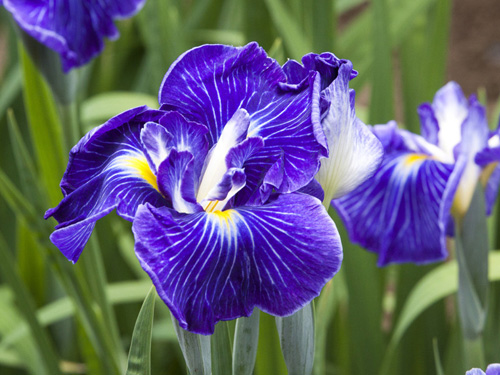
Detailed Key Points for Caring for Japanese Iris (Iris ensata)
Japanese iris (Iris ensata, also known as jade cicada flower) Scientific name: iris ensata Family and genus: Iridaceae Morphological characteristics: Perennial herbaceous emergent aquatic plant with rhizomes. The rhizome is short and thick, with many fine fibrous roots. Leaves are basal, linear, upright, with a prominent midrib and relatively flat lateral veins. The flower stem is usually slightly taller than the leaf clump, bearing two flowers; the flowers are large
-
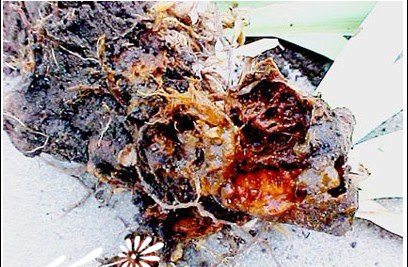
How do you prevent and treat bacterial soft rot in irises?
Bacterial soft rot is one of the most common diseases of irises. Whether bulbous irises or rhizomatous irises, this disease occurs frequently. Below, drawing on many years of growing experience, we will discuss the prevention and treatment methods for iris soft rot. The pathogen of iris soft rot is bacteria, and 2 species are currently known
-
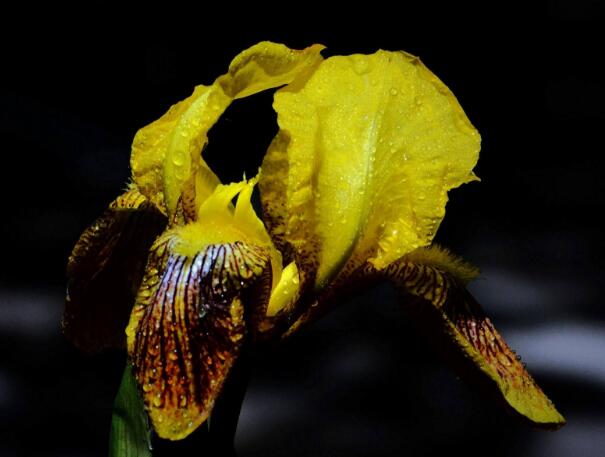
What to Do When Iris Leaves Turn Yellow? Keep the Environment Ventilated and Control Watering
Iris is a highly ornamental plant, with flowers generally in blue tones, giving a fresh and elegant feeling, which is why it is loved by many people. However, no matter how high a plant's ornamental value is, yellowing will affect its overall beauty. As for what to do when iris leaves turn yellow
-

How to grow iris? Cultivation methods, precautions and key points of temperature control
Iris is a relatively common plant in people's lives and has extremely high ornamental value, so how to grow iris is a question many people care about. What are the cultivation methods and precautions for iris? Let me walk you through them below
-

How often should you water Iris japonica? Master the watering method of watering thoroughly without waterlogging
When growing Iris japonica, how to water, when to water, what kind of water to use, and so on - these are the questions flower lovers consider when learning how to care for Iris japonica, because too little water will cause poor plant growth, while too much water will lead to root rot
-

How to grow fringed iris? Master the cultivation methods and fertilizing precautions
Fringed iris flowers resemble butterflies when in bloom, which makes them very popular. However, to grow fringed iris well, you need to consider both the environment and the methods so that it produces more flowers when the flowering season arrives. So how do you grow fringed iris? Let's look at the cultivation methods and precautions for fringed iris.
-
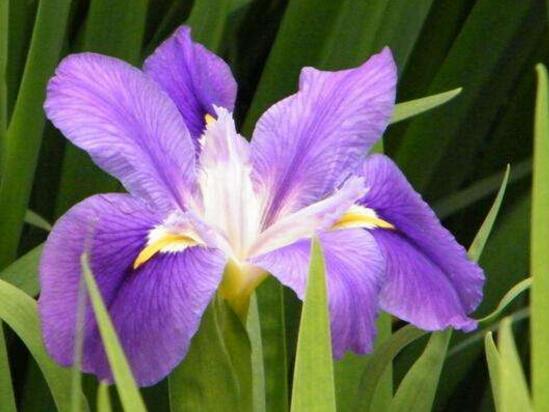
How to Propagate Irises: A Detailed Guide to Two Methods, Seed Sowing and Division
Irises are a fairly common flowering plant in people's daily lives, and many households in our country grow them, so the question of how to propagate them is also something people care about quite a bit. How do you propagate irises, and what propagation methods are there for irises? Below, the editor will walk you through it.
-
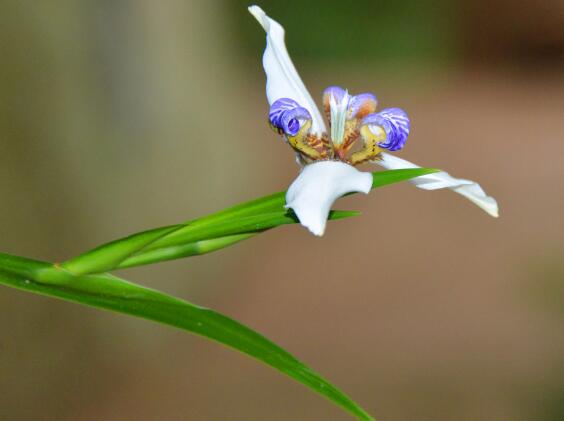
What to Do When Irises Get Pests? 2 Types of Pests and 3 Types of Diseases and How to Control Them
The iris is a plant with high ornamental value, and many people choose to grow one at home. However, problems during cultivation can lead to pests and diseases. What should you do when irises get pests, and how should pest and disease control for irises be carried out? Let's take a look below.
-

How do you propagate the iris? Division and cuttings both work
Because the iris has so many benefits and uses, more and more people are growing it, and once the iris has been grown for a certain amount of time, it needs to be propagated. However, many flower lovers do not understand how to propagate the iris, so today the editor will introduce three common methods of propagating the iris
-
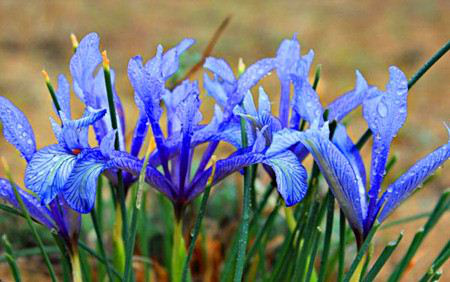
A Detailed Guide to the Propagation Methods and Key Techniques of Iris lactea var. chinensis
The seeds of wild Iris lactea var. chinensis are very vigorous. Usually after the fruit ripens in August and September, the seeds scatter with the wind, then fall to the ground and grow and germinate on their own. If propagated artificially, the survival rate of direct sowing is relatively low. Therefore, artificial cultivation of Iris lactea var. chinensis mostly adopts the method of division and transplanting for propagation.
条件筛选