-
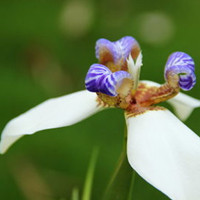
What are the characteristics and symbolic meanings of the Brazilian iris?
The Brazilian iris (Neomarica gracilis) is a plant with a rather unusual flower shape, blooming beautifully, and is quite suitable for pot cultivation. Growing the Brazilian iris is not very difficult, and it can also beautify the environment, so why not do it?
-
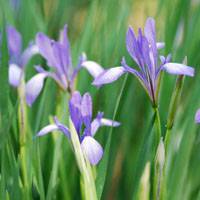
What are the alternative names of Iris lactea? So that's what it can be called
Iris lactea is also called malian, malan, malanhua, hanpu, lishi, licao, jucao, shishou, sanjian and majiu. The flower language of Iris lactea is "messenger of love". As a perennial herbaceous plant, Iris lactea has unique ecological and biological characteristics and value in use.
-
Is Iris lactea easy to grow?
Iris lactea is also known as malian, malan, malan flower, hanpu, lishi, licao, jucao, shishou, sanjian, and majiu. The flower language of Iris lactea is "messenger of love." As a perennial herbaceous plant, Iris lactea has unique ecological and biological characteristics and uses.
-
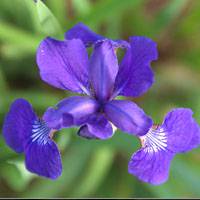
What flower is the Japanese iris? A guide to its basic characteristics
The Japanese iris is a variety of Iris ensata and a perennial herbaceous aquatic flower. It is often planted in large groups in parks, where colorful butterflies flutter among the blooms, creating beautiful scenery. Of course, it is also very suitable as a potted plant to accent the landscape, or as a cut flower to decorate the home.
-
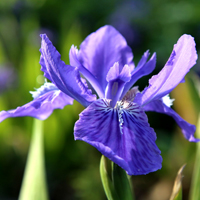
What other names does iris have? Let us introduce you to its many names
Iris is a collective term for herbaceous plants in the genus Iris of the family Iridaceae. The leaves of iris are emerald green and lush, and the flowers are large and unusual, like fluttering butterflies. It is one of the important flowers in gardens, and abroad this flower is often made into perfume.
-
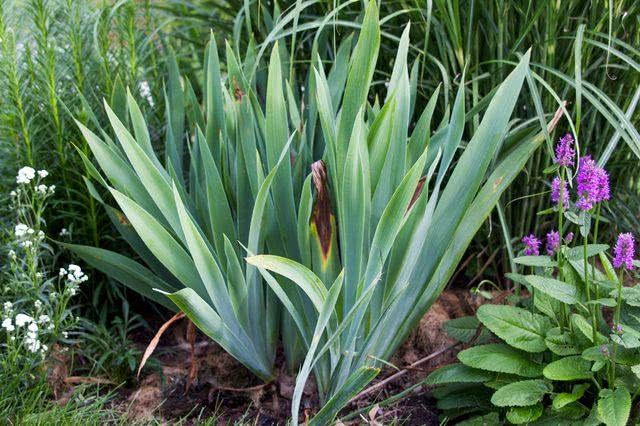
Irises grow fast, so let me teach you how to divide them into multiple plants
Irises are very beautiful flowers, they are relatively easy to grow, and they grow very quickly, so they need to be divided and transplanted regularly. Follow the steps below and your garden may well be filled with a world of blooming flowers. Step 1 Dig up the irises, making sure to dig out the entire...
-
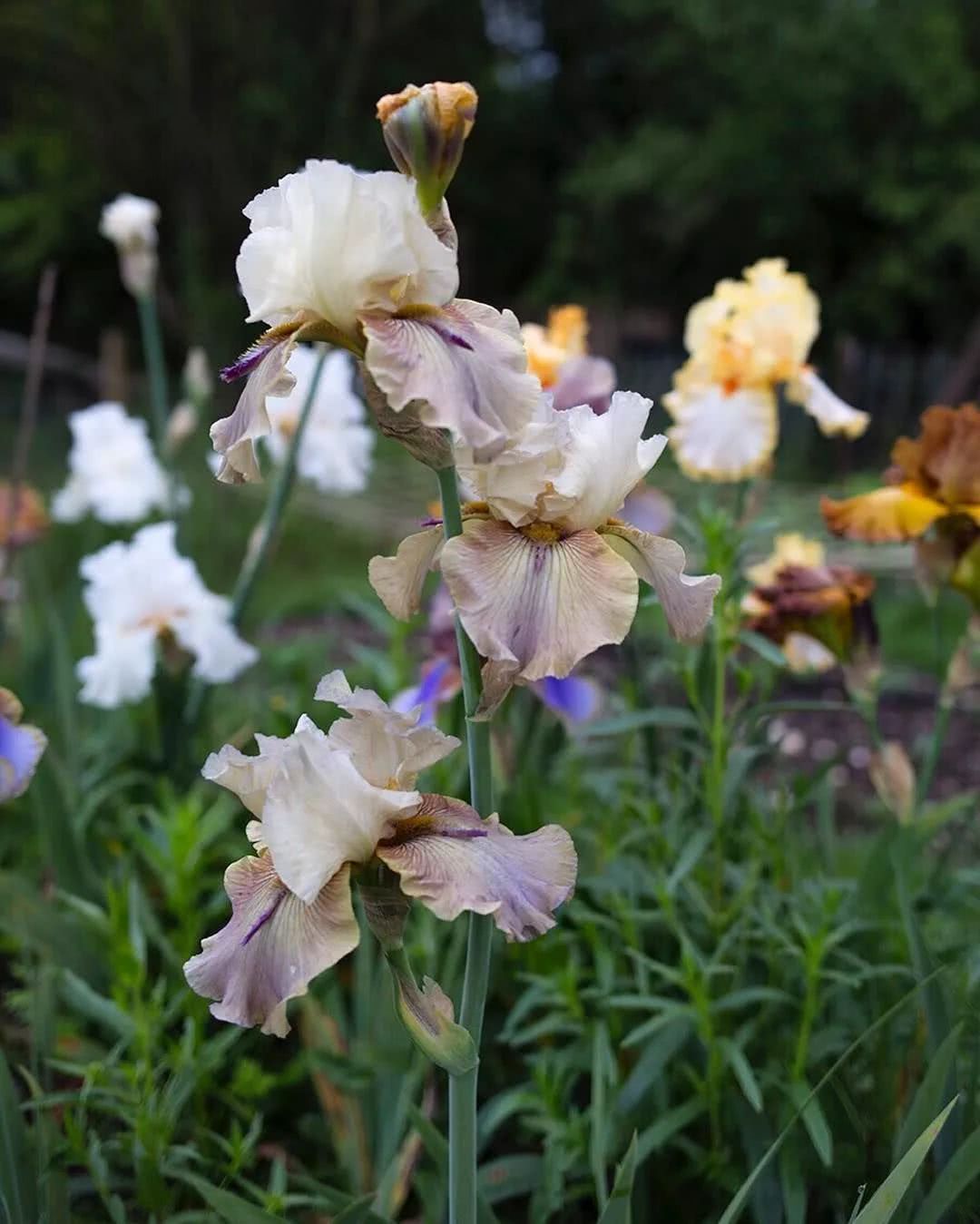
Propagating irises by division: your yard can be full of them in just a few years
Irises are usually propagated by division in spring, generally transplanted and divided once every two to three years. If they are grown in pots, transplanting is even more necessary, so that they can bloom every year. This is usually done in spring...
-
How to divide irises? Master the technique and grow a whole large patch in a year
The iris also has a lovely name, Alice, and it has a very wide range of uses; for example, it plays an important role in landscaping, decoration and construction, which is why it has become so popular in recent years. Because irises...
-
How to grow Iris germanica? A detailed guide to cultivation methods
Soil: Iris germanica prefers relatively loose, slightly alkaline soil, so sandy loam with a pH between 7.0-7.2 is recommended for growing it. Water: It needs plenty of water during the growing period; after flowering, reduce watering and drain promptly after rain. Fertilizing: It needs plenty of nutrients during the growing period, so one round of topdressing is needed.
-
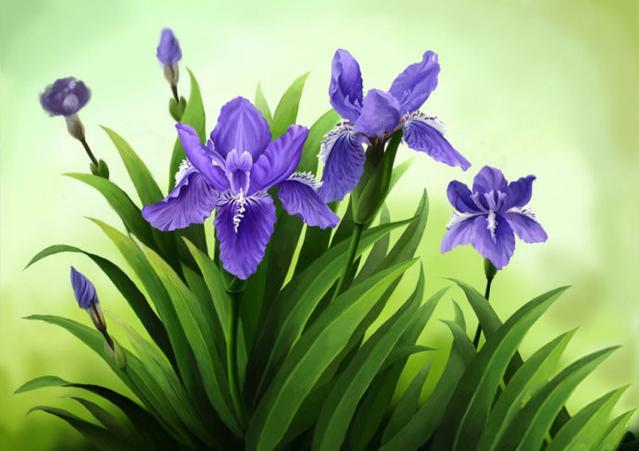
Iris planting has its tricks, and with so many types you need to choose the right approach
Iris is also called Alice, and the name sounds very Western at first hearing, with a touch of the elegance of a European lady. Iris is a perennial herbaceous flower, and its blooms are by no means small; its flower colors are quite unique, and you rarely see flowers that are blue...
条件筛选