What flower is the Japanese iris? A guide to its basic characteristics
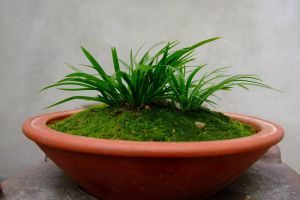
Other names for the Japanese iris
Calamus flower
Growing habits of the Japanese iris
The Japanese iris is cold-hardy and likes moisture and damp conditions. Its flower buds sprout in spring, and the flowering period runs from early spring to early summer. In winter it enters dormancy, the aboveground stems and leaves die back, and it sends out new branches and grows again the following year.
The Japanese iris grows well in fertile, moist soil. Wild Japanese irises mostly grow in marshy wetlands and along riverbanks. It likes acidic soil and dislikes calcareous soil.
The value of the Japanese iris
Medicinal value: The rhizome of the Japanese iris can be used as medicine. It can clear heat and promote diuresis, and relieve food stagnation. It has a notable effect in treating conditions such as lung heat with spleen dampness, accumulation of water and dampness, and bloating and edema.
Ornamental value: Planted in groups in park wetlands, or among the stones around ponds, the green leaves and flower crowns set each other off, making it appear all the more graceful and varied. It can also be used as a potted plant to accent the scenery, planted in the ground for landscaping, placed at the pondside or in a water garden setting, or used as a cut flower to decorate the home.
The flower language of the calamus flower
A letter of admiration - a mysterious person; trust;
The happiness of believers; a perfect marriage.