-

Comprehensive Analysis of Buffalobur (Solanum rostratum): An Invasive Toxic Weed in the Northern Agro-Pastoral Ecotone
This website reports: Recently, the Ministry of Agriculture organized over 140 participants, including agricultural resource and environmental protection technical personnel from 17 provinces and municipalities (regions) across the country, experts from relevant scientific research and teaching institutions, and media representatives, to conduct an on-site observation of the buffalobur (Solanum rostratum) integrated prevention and control demonstration area located deep in the Horqin Grassland of Baicheng City, Jilin Province.
-
Ministry of Agriculture Holds National On-Site Eradication Event for the Invasive Alien Species Buffalobur (Solanum rostratum)
This website news Recently, the 2015 National On-Site Eradication Event for the Invasive Alien Species Buffalobur (Solanum rostratum) was held in Hinggan League, Inner Mongolia. The Department of Science, Technology and Education holds three national on-site eradication events for invasive alien species each year, aiming to raise the ecological and environmental protection awareness of cadres and the public and
-
China's invasive alien plants have exceeded 500 species
Tropical Mikania micrantha, water hyacinth in the south, Ageratina adenophora in the southwest... In recent years, these exposed invasive alien plants have caused serious losses to China's ecosystems and economic development. The latest survey shows that China now has more than 500 species of invasive alien plants. Chinese Academy of
-
Invasive alien species reach 529, costing China 57 billion yuan a year
More than 500 invasive alien species, devouring 57 billion yuan a year. By Zhang Wen, National Business Daily, from Beijing. The invasion of alien organisms, while severely disrupting ecosystems, has also brought China average annual economic losses of more than 57 billion yuan. The Ministry of Agriculture announced on July 29 that
-
The situation of invasive alien species is severe, and China has become one of the most seriously affected countries
On July 24, the national on-site eradication event for the invasive alien species water hyacinth was held in Guilin Town, Tongnan County, Chongqing. Water hyacinth is one of the world's ten worst invasive weeds. It was introduced into China in the 1930s and has already spread and proliferated in the middle and lower reaches of the Yangtze River, causing extremely adverse effects on crop farming,
-
How to manage perennial invasive weeds? An introduction to practical control methods
Weed control: no matter what crop you grow, weed problems will always exist, so how do you manage weeds? Do you know how? If not, then let's find out together. The interference of weeds with the normal growth of crops differs from the damage caused by pathogens and insects and other pests (p
-
How to Treat Invasive Diseases in Snail (River Snail) Farming
When it comes to river snails, many people actually enjoy eating them, but anyone who has eaten river snails knows that they are very difficult to clean, and if the bacteria inside get into your stomach, it can affect your health. However, with today's constantly advancing cooking techniques and skills,
-
What foods should not be eaten with kelp? An analysis of its cold-natured food properties
I don't know how many people know that kelp is actually not considered a plant; its classification belongs to the kingdom Protista, and it is also called river cabbage or kombu. When eating kelp, there are also some things to pay attention to. So what foods should not be eaten with kelp? Is it a cold-natured food?
-
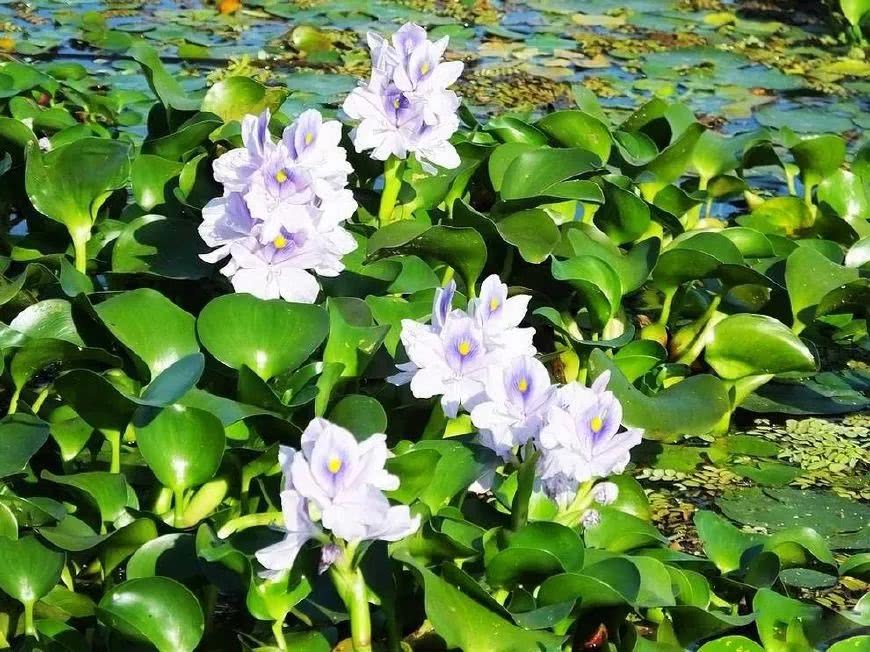
An invasive plant that wreaks havoc abroad has become pig feed and a delicious wild vegetable in China
Warm reminder: Hemu Report aims to share and popularize information about various plants and their uses, for reference only. If medicinal use is needed, it is recommended to consult a professional physician to avoid problems! In China there is such an aquatic plant, whether in the Yellow River, Yangtze River, Zhu...
-
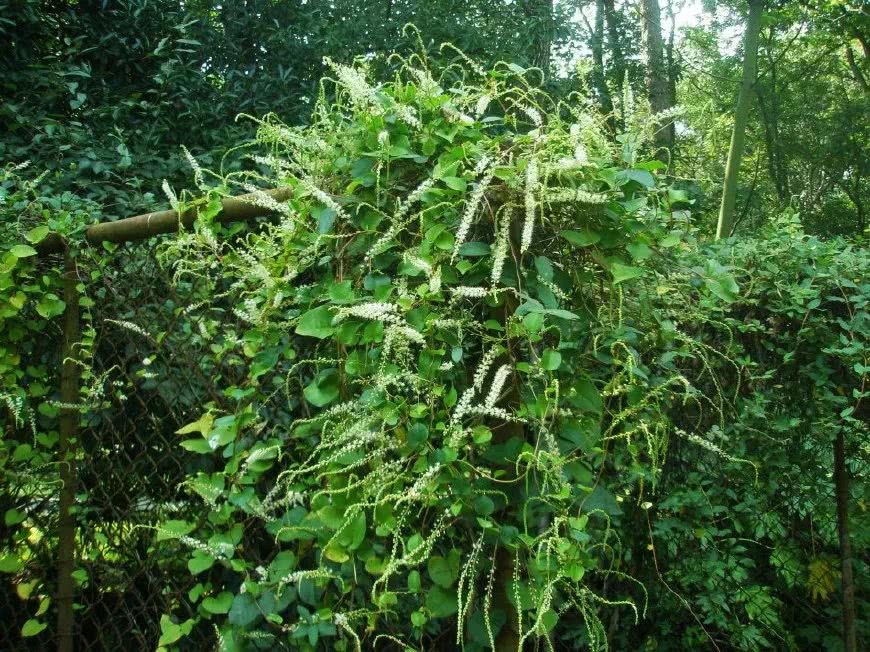
Once an invasive weed from Southeast Asia, this plant became a cash cow for farmers in China, earning 50,000 yuan per mu
Friendly reminder: The Hemu Report aims to share and popularize information about various plants and their uses, for reference only. If medicinal use is needed, it is recommended to consult a professional physician to avoid problems! Speaking of invasive species, I think most friends absolutely dislike them, especially...
条件筛选