-

Occurrence of Tulip Diseases and Integrated Control Methods
Tulip is a perennial bulbous herbaceous plant of the genus Tulipa in the family Liliaceae, also known as foreign lotus, grass musk, peony lily, etc., and is one of the most popular cut flowers in the world. With the adjustment of industrial structure, many places in Jiangsu Province have formed tulip fresh cut flower bases. However, in the production process, we found that every stage may be harmed by fungal, bacterial and viral diseases, thereby affecting the normal growth of plants, reducing the quality and ornamental value of cut flowers, and in severe cases causing devastating damage. Therefore, preventing the occurrence and development of tulip diseases is the
-
Causes of Lily Disease Epidemics and Integrated Control Techniques
I. Symptoms: They appear on leaves, stems and bulbs. When leaves are infected, leaf blight results. At first the leaf tip turns brown, with a length of 1-2 mm, then gradually worsens, and the lesion expands into a nearly triangular shape, becomes thinner, and takes on a dried-up appearance with cloud-like patterns on it. Lesions are generally 17-28 mm long and 5-8 mm wide; the largest lesion is 56 mm long and 12 mm wide. Eventually the leaf dies. Some also occur at the leaf margin as semi-elliptical brown lesions, which can also cause leaf death. Ground
-
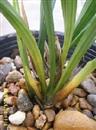
Integrated Pest and Disease Management Methods for Chinese Orchids
For orchids, rot diseases are extremely serious and spread rapidly. Orchid rot diseases mainly consist of two types: soft rot and black rot. In the early stages of soft rot, tiny brown water-soaked spots appear on the leaves, which then expand into dark moist patches; at this point the lesions rupture very easily and exude a foul-smelling...
-
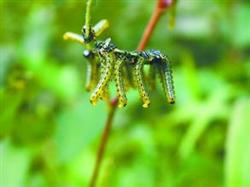
Integrated Control Techniques and Methods for Poplar Leaf-eating Pests
Poplar is deeply favored by people for its excellent characteristics such as fast growth, suitability for a wide range of growing sites, and outstanding economic benefits. However, as the planted area of poplar gradually expands, especially with the increasing development of pure stands, outbreaks of poplar leaf-eating pests continue to occur, so integrated control of poplar leaf-eating pests is very...
条件筛选