Integrated Pest and Disease Management Methods for Chinese Orchids
For orchids, rot diseases are extremely serious and spread rapidly. Orchid rot diseases mainly consist of two types: soft rot and black rot. In the early stages of soft rot, tiny brown water-soaked spots appear on the leaves, which then expand into dark moist patches; at this point the lesions rupture very easily and exude a foul-smelling...
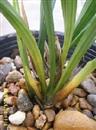 Chinese orchids do not suffer from many insect pests and these are easy to control; by contrast, there are many types of diseases and they are relatively difficult to manage. Even for a skilled orchid grower, achieving orchid plants free of disease spots, without scorched leaf tips, and without the need to cut leaves is no easy task; sometimes crown rot and plant collapse are unavoidable. Doing a good job of preventing and controlling orchid diseases and pests, and improving the marketability of orchid plants, is a concern shared by all orchid enthusiasts.
The prevention and control of diseases and pests in Chinese orchids should follow the policy of "prevention first, integrated management." This article offers only some preliminary views on a few noteworthy issues.
I. Health-building Cultivation
An orchid's resistance to diseases and pests is determined by two factors: first, genetic characteristics - different orchid varieties often differ considerably in their resistance to a particular disease; second, health status - like all other living things, when orchid plants are robust and growing vigorously, their resistance is strong, and even if pathogens are present they will not become diseased, or the disease will be mild and easy to control. Therefore, creating a suitable growing environment for orchids so that the plants grow robustly and disease occurrence is reduced or mitigated is the foundation for "prevention first, integrated management" of orchid diseases and pests.
Many orchid diseases are physiological: the spots appear on the leaves, but the problem actually lies with the roots. Experienced orchid enthusiasts all know: growing orchids is really growing roots - when the roots are good, the plants are good. Although Chinese orchids are terrestrial species among the Orchidaceae, the biological characteristics of their roots share similarities with the aerial roots of epiphytic orchids, requiring a soil environment that is air-permeable, water-permeable, and moisture-retaining. For this reason, one must first select suitable pots and growing media, then formulate a matching set of management techniques, and then, according to the season, weather, and condition of the plants, carry out reasonable watering and fertilizing. When these three aspects are closely linked, coordinated with one another, and managed properly, the orchid plants will grow robustly and disease and pest problems will be reduced and mitigated. All of this depends entirely on the grower's attentiveness and accumulated experience.
For orchid enthusiasts, growing orchids is also cultivating one's character. Orchid growing is most easily influenced by the pursuit of profit and the urge to rush for quick results. Frequent watering, heavy fertilizing, using hormones... the result is the opposite of what one wants. Growing orchids requires "letting nature take its course" and maintaining a calm state of mind. When the mindset is well adjusted and technical measures are just right, the orchids will be well grown.
II. Prevention First
Prevention first requires doing the following:
1. When acquiring new plants, pay attention to origin quarantine and keep diseases and pests out. Many diseases and pests are caused by sources of infection; for example, if scale insects and Cymbidium mosaic virus are not brought in, orchids will not develop these diseases and pests. Moreover, once infected with a viral disease, there is no way to cure it completely. The lessons of many orchid enthusiasts show that a moment's carelessness when acquiring plants, bringing in sources of infection, will lead to endless trouble and may even cause enormous economic losses. It is worth pointing out that the absence of disease symptoms in an orchid plant does not mean it carries no pathogens. Therefore, special attention must be paid to origin quarantine, and one should not buy orchids from nurseries with dangerous diseases. In addition, newly purchased orchid plants should undergo whole-plant external disinfection before planting.
2. During operations, pay attention to disinfection and sterilization to cut off transmission routes between pots. Daily disinfection measures are simple yet tedious and are often neglected by orchid enthusiasts. In fact, this is an extremely effective way to reduce and mitigate diseases and pests. It is recommended that orchid enthusiasts disinfect pots and growing media before reusing them after repotting; minimize combining orchid plants from different sources into the same pot; and especially, when pruning, take the trouble to disinfect scissors - at the very least, disinfect before pruning another plant.
3. In daily management, pay attention to necessary preventive application of chemicals, applying them before disease onset or in the early stages. During the easily affected months of May to October, preventive chemical applications can be carried out regularly once every half month. When applying chemicals, note that several agents should be used in rotation, with the concentration controlled at around 800-1,000 times dilution. Never use a single chemical at high concentration over the long term, as this will cause pathogens to develop resistance.
III. Matching the Treatment to the Disease
Matching the treatment to the disease first requires distinguishing whether it is a physiological disease, fungal disease, bacterial disease, or viral disease. For physiological diseases, one should regulate through the health-building cultivation measures described above to restore the orchid plants to health. For viral diseases, generally speaking, "there is no cure; infection can only be prevented through quarantine and disinfection measures"; after infection, the severity of the disease can be reduced and losses lessened through health-building cultivation measures. As for fungal diseases and bacterial diseases, the applicable chemicals are different: fungicides are effective against fungal diseases but ineffective against bacterial diseases; antibiotics are effective against bacterial diseases but ineffective against most fungal diseases. For snails and slugs, general insecticides are ineffective; one needs to purchase specialized molluscicides, or use tea seed cake (camellia seed cake) soaked in water for control. For scale insects, because their body surface has a waxy protective covering, general insecticides are hard to effective; one can apply chemicals in spring before the newly hatched scale insects have formed their waxy shells, or add 1/200 petroleum emulsion to the insecticide to help it penetrate the waxy shell and kill the pests.