-

Methods of Artificial Induced Spawning and Key Aquaculture Techniques for Snakehead
Artificial induced spawning uses injections of human chorionic gonadotropin and the pituitary glands of carp, bighead carp and bream. In the Pearl River Delta region, pituitary glands of carp, bighead carp and bream are basically used as spawning agents. The dosage per 0.5 kg of body weight is: for female fish, 7 pituitary glands of bighead carp or bream (1 carp pituitary is equivalent to
-
Sharing Experience on Artificial Breeding in Koi Culture
1. Artificial induced spawning of koi. The time for artificial induced spawning of koi is generally chosen when the water temperature is around 25°C. The two-injection pectoral fin method can be used; effective drugs for inducing estrus include human chorionic gonadotropin, luteinizing hormone-releasing hormone analogue, and domperidone, etc. 2. Artificial insemination. In the breeding season,
-
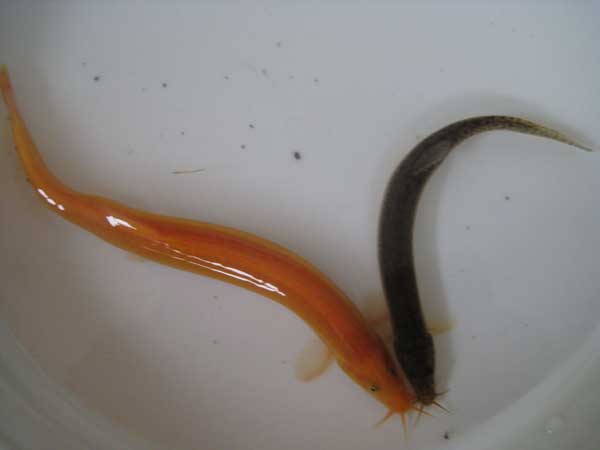
Detailed Explanation of Basic Knowledge on Loach Induced Spawning Techniques
Basic Knowledge on Loach Induced Spawning
-
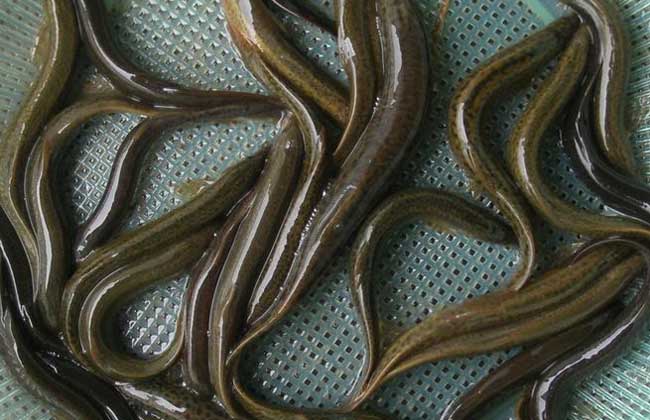
Key Points and Detailed Operation Methods of Loach Induced Spawning Technology
Induced Spawning Technology for Loach
-
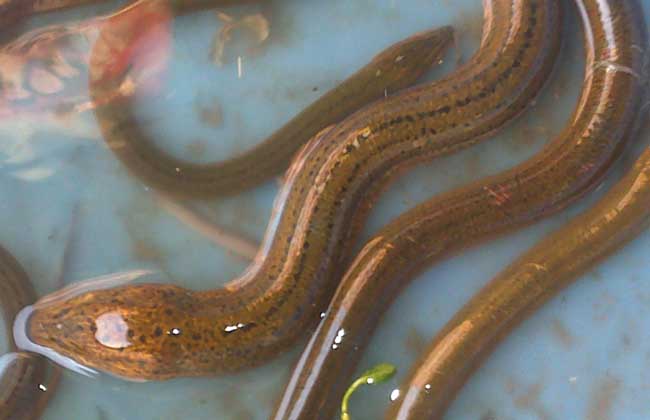
Detailed Explanation of Artificial Breeding and Induced Spawning Techniques for Rice Field Eels
Artificial Breeding and Induced Spawning Techniques for Rice Field Eels
-
Detailed Explanation of Broodstock Induced Spawning Techniques in Turbot Aquaculture
Turbot is found in sea areas from the Mediterranean to the coast of Norway. In Europe, turbot is a valuable cultured fish species. Over the past 10 years, turbot aquaculture has continued to develop. Turbot aquaculture production increased from 150 tonnes in 1985 to 3,700 tonnes in 1998. In the coastal waters of the Atlantic, natural reproduction of turbot occurs in summer; however, by artificially controlling the photoperiod and water temperature, or by controlling only the photoperiod, turbot may spawn year-round. Turbot spawns in batches, with as many as 10 spawning events during the reproductive period. Under captive conditions,
-
How to reduce injuries and deaths of induced-spawning broodstock? Analysis of key techniques
The main factors causing injuries and deaths of induced-spawning broodstock: First, broodstock consume a great deal of physical energy during the spawning and reproduction process, and coupled with the side effects of spawning-inducing drugs, the body's resistance of the broodstock declines; if the fish body is injured and pathogens invade, disease is easily triggered. Second, poor physique of the broodstock, or a large fluctuation in water temperature during induced spawning, or improper dosage of spawning-inducing drugs, etc., can prevent the broodstock from spawning normally, and this in turn causes a disorder of their own physiological activities and leads to death. Therefore, in production, we must not only effectively carry out the pre-spawning rearing of broodstock so that the gonads of the broodstock develop normally and mature and the fish have a robust physique, but also pay attention to induced-spawning operations and post-spawning care.
-
Technical Measures to Reduce the Mortality Rate of Induced Spawning Broodfish
Reducing the death of induced spawning broodfish is an important technical task in fry aquaculture. There are two main factors causing the death of induced spawning broodfish. First, broodfish consume a great deal of physical energy during the spawning and reproduction process, which increases the side effects of the inducing drugs and lowers the body's resistance. If the fish is severely injured, various pathogens will take the opportunity to infect the fish body, causing disease and leading to the death of the broodfish. Second, the broodfish has a poor physique, or the water temperature fluctuates greatly during induction, or the dosage of the inducing drugs is improper (too high or too low), so the broodfish cannot spawn normally or experiences difficult spawning, and this in turn causes its own physiological activities to become disordered and leads to death.
-
Don't Forget to Protect Broodstock During Induced Spawning
Reducing the death of broodstock during induced spawning is an important technical task for fry producers. In production practice we have found that there are two reasons for the death of broodstock during induced spawning: first, the broodstock consumes a great deal of energy during the spawning and reproduction process, and combined with the side effects of the inducing drugs, the body's resistance declines; if the fish is severely injured, various pathogens will seize the opportunity to infect the fish, causing disease and leading to death. Second, the broodstock's constitution is poor, the gonadal development is not good, or the water temperature varies greatly during induced spawning, and the dosage of the inducing drugs is improper
条件筛选