-
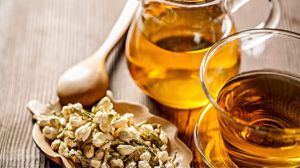
What are the benefits and contraindications of jasmine tea?
Jasmine tea mainly has four major benefits: "antibacterial and anti-inflammatory," "anti-cancer and cancer-preventing," "liver-protecting and eye-brightening," and "detoxifying and beautifying." Drinking it can provide good health benefits; it is not only good for the body but can also help prevent certain diseases. However, when drinking it, take care not to brew the tea too strong, and do not drink it on an empty stomach.
-

What are the common contraindications for insecticide use?
1. Chlorpyrifos is prone to causing phytotoxicity when used during the melon seedling stage, and its use should also be avoided during the flowering stage of some crops. 2. Pesticides containing triazophos should not be used on fruit sugarcane, as they are prone to causing phytotoxicity. 3. Because phoxim decomposes readily in light, its use should be avoided during the watermelon growing period and at the seedling stage of radishes and leafy vegetables (even avoiding use during the growing period...
-
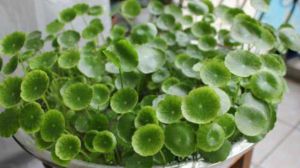
What are the side effects and contraindications of Lysimachia christinae (moneywort)? You need to understand them clearly before use
Taking Lysimachia christinae (moneywort) for a long time can harm the body, and it is not suitable for people with weak spleen and stomach, diarrhea, and similar conditions. People with heart disease, diabetes, and other diseases should follow the guidance of a professional doctor. In addition, people with a cold-deficiency constitution should consume it with caution, and when taking it normally, the amount should be moderate, not excessive or long-term.
-
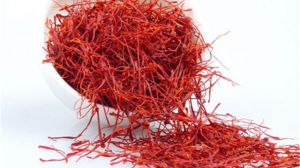
What are the benefits and contraindications of saffron? Explained in one article
Benefits: treats depression, its extract has effects similar to antidepressant drugs; fights anxiety, with effects similar to anti-anxiety drugs; alleviates neurodegenerative diseases, hindering nerve degeneration; treats cerebrovascular diseases, increasing blood flow and lowering blood pressure. It must not be consumed in excess, as it can cause mental confusion or allergic poisoning; pregnant women, children, and others should consume it according to a doctor's instructions.
-
What are the benefits and contraindications of saffron? Explained in one article
Benefits: treats depression, its extract has effects similar to antidepressant drugs; combats anxiety, with effects similar to anti-anxiety drugs; alleviates neurodegenerative diseases, hinders nerve degeneration; treats cerebrovascular diseases, increases blood flow, lowers blood pressure. It must not be consumed in excess, as it can cause mental confusion or allergic poisoning; pregnant women, children, etc. should consume it according to a doctor's instructions.
-
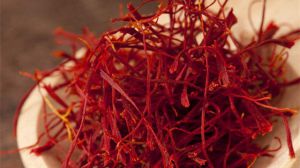
Who should not drink saffron? Groups who need to know the contraindications
Saffron is not suitable for pregnant women, children, or women with heavy menstrual bleeding. This is because it may cause uterine contractions in pregnant women and increase the risk of miscarriage; normal children are not suited to any tonic, or they may develop subcutaneous bleeding; in addition, women with heavy menstrual bleeding should also avoid it as much as possible, otherwise it may worsen the condition and cause anemia.
-
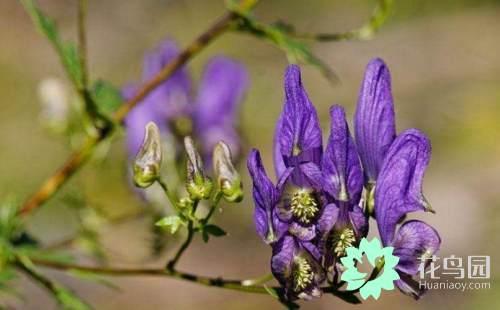
Aconite is toxic, keep these five major contraindications in mind
Aconite is a plant of the buttercup family (Ranunculaceae); its mother root is called aconite and is a commonly used medicinal herb in traditional Chinese medicine. It has excellent therapeutic effects on kidney yang deficiency, but it must be pointed out that aconite is toxic, so extra caution is needed when using it. Below we...
-
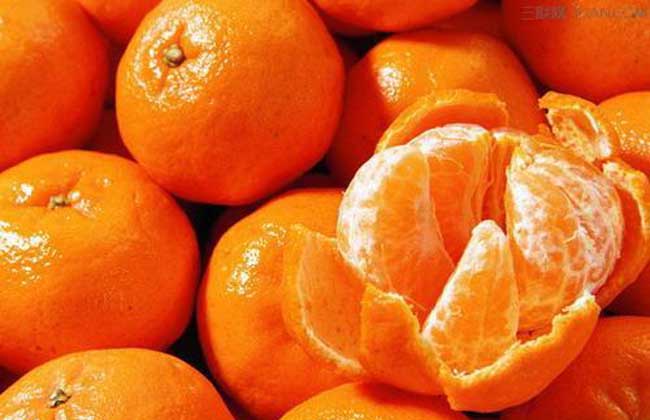
What are the benefits and contraindications of drinking water infused with orange peel?
The benefits and contraindications of drinking water infused with orange peel
-
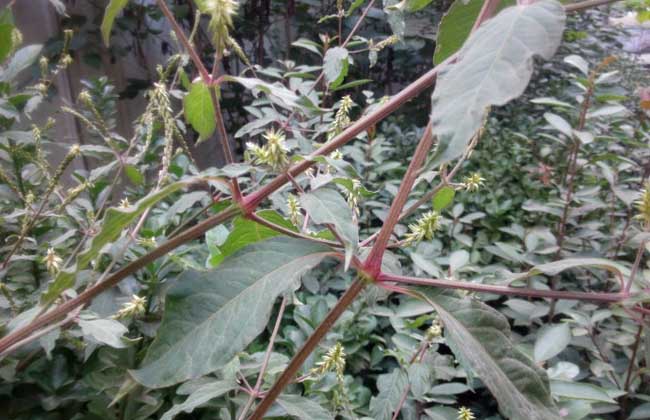
Detailed Explanation of the Benefits, Effects and Contraindications of Achyranthes Root
The Benefits, Effects and Contraindications of Achyranthes Root
-
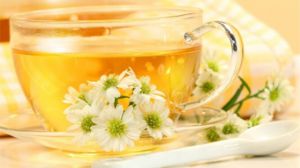
What are the benefits and contraindications of chrysanthemum tea?
The main benefits of chrysanthemum tea include supplying nutrients, shaping the body and lowering blood lipids, and clearing heat and reducing internal heat; it also has benefits such as improving eyesight and whitening the skin. It is a drink suitable for the general public, but some groups of people are still not suitable for drinking it, such as those with deficiency-cold of the spleen and stomach and those allergic to chrysanthemums, who should drink as little as possible or not at all. Be careful not to drink tea that has been left overnight, to prevent diarrhea.
条件筛选