Aconite is toxic, keep these five major contraindications in mind
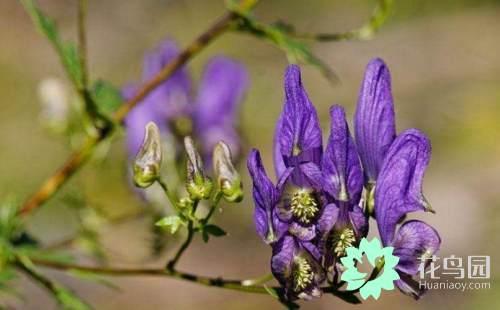
Aconite is a plant of the buttercup family (Ranunculaceae); its mother root is called aconite and is a commonly used medicinal herb in traditional Chinese medicine. It has excellent therapeutic effects on kidney yang deficiency, but it must be pointed out that aconite is toxic, so extra caution is needed when using it. Below we introduce the five major contraindications to note when using aconite!
★ Decoction time too short
Long decoction of aconite, or the recently adopted high-pressure steaming method, can reduce its toxicity. If the condition requires an increased dosage of aconite, long decoction is even more advisable. Too short a decoction time can easily lead to poisoning. Aconite must never be used raw.
★ Not processed
Aconite is highly toxic, so it must be processed before it can be taken internally, and prescriptions for internal use should also state processed aconite or processed Sichuan aconite or processed wild aconite. Taking it without processing can cause poisoning in very small amounts.
★ Cumulative poisoning
Long-term use of aconite can accumulate in the body and cause poisoning, especially in patients with impaired liver and kidney function, who are even more prone to this type of poisoning. If the condition requires long-term use of preparations containing aconite, an intermittent dosing method can be used. After taking it for several days or weeks, pause for 1 week. In addition, daily dosing can adopt a method of small amounts taken multiple times, dividing the total daily amount into several doses, which helps with the excretion of toxins.
★ Excessive dosage
Aconite is divided into Sichuan aconite and wild aconite. Wild aconite is more toxic. Because of differences in harvest time, processing, and decoction time, the toxic dose of aconite varies greatly. For Sichuan aconite it is 3 to 30 grams, for wild aconite it is 3 to 4.5 grams, and 0.2 milligrams of aconitine taken orally can cause poisoning. Sichuan aconite poisoning can present with numbness of the mouth and tongue and the whole body, nausea and vomiting, chest tightness, spasms, difficulty breathing, decreased blood pressure, failure of body temperature to rise, arrhythmia, unclear consciousness, and coma, even leading to death from circulatory and respiratory failure. The symptoms of wild aconite poisoning are basically the same as those of Sichuan aconite. The toxic dose of aconite-type substances varies greatly among individuals; some people develop poisoning after decocting and taking only 6 grams of Sichuan aconite, and some after taking only 1 gram of wild aconite. Therefore special attention should be paid to the early symptoms of poisoning and treatment should be given as early as possible. Clinical use of aconite should also preferably start with a small dose for trial use.
★ Improper combination
Earlier practitioners believed that aconite should not be used together with fritillary, bletilla, pinellia, or trichosanthes. In addition, there are clinical reports of poisoning caused by using aconite together with ephedra.
In summary, taking aconite requires caution. Aconite is toxic, and long-term use harms the kidneys, so everyone must be careful when taking aconite.