Detailed Explanation of the Benefits, Effects and Contraindications of Achyranthes Root
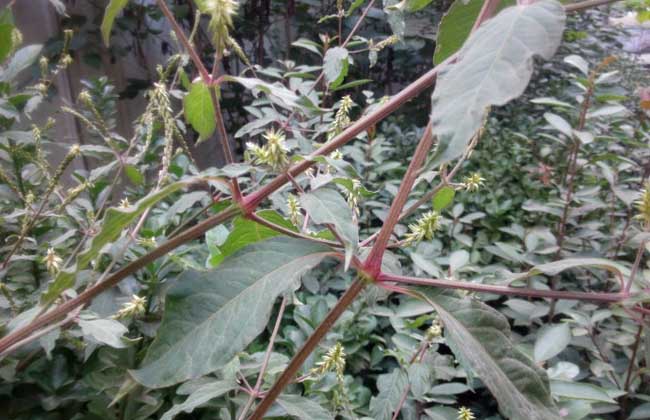
Achyranthes root, also known as Huai achyranthes root, ox knee, mountain amaranth, etc., is a perennial herb of the genus Achyranthes in the Amaranthaceae family. Used as medicine, it has the effects of dispelling blood stasis and unblocking menstruation, nourishing the liver and tonifying the kidneys, strengthening sinews and bones, promoting diuresis and treating strangury, and guiding blood downward. It has therapeutic effects on amenorrhea, dysmenorrhea, soreness and pain of the waist and knees, weakness of sinews and bones, strangury, edema, headache, dizziness, toothache, mouth sores, hematemesis, epistaxis and other conditions. Let us now take a look at the benefits, effects and contraindications of achyranthes root!
Medicinal Benefits of Achyranthes Root
[Nature and Flavor] Bitter, sweet and sour in flavor, neutral in nature.
[Meridian Tropism] Liver and kidney meridians.
[Benefits] Dispels blood stasis and unblocks menstruation, nourishes the liver and tonifies the kidneys, strengthens sinews and bones, promotes diuresis and treats strangury, and guides blood downward. It mainly treats amenorrhea, dysmenorrhea, soreness and pain of the waist and knees, weakness of sinews and bones, strangury, edema, headache, dizziness, toothache, mouth sores, hematemesis and epistaxis.
Related Discussions on Achyranthes Root
1. "Shennong Bencao Jing": Mainly treats cold-dampness flaccidity and impediment, contracture of the four limbs, knee pain with inability to bend, dispels blood and qi, burns from injury and fire, and induces abortion.
2. "Yaoxing Lun": Treats impotence, tonifies the kidneys and fills essence, dispels clotted blood from malignant flow, and assists the twelve meridians.
3. "Gangmu": Treats chronic malaria with chills and fever, five types of strangury with bloody urine, pain in the penis, dysentery, throat impediment, mouth sores, toothache, carbuncles and malignant sores, and fractures.
4. "Bencao Zheng": Mainly treats blood-heat itching and impediment of the hands and feet, blood-dryness contracture, unblocks bladder retention and constipation, dryness and binding of the large intestine, tonifies marrow and fills essence, benefits yin and invigorates blood.
Medicinal Contraindications of Achyranthes Root
1. It is contraindicated for those with sinking of middle qi, diarrhea due to spleen deficiency, instability of the lower origin, excessive menstruation, and pregnant women.
2. It should not be used when amenorrhea has not lasted long and pregnancy is suspected; it should not be added to medicines for the upper burner; and it is contraindicated for those with incessant uterine bleeding.
3. It is strictly prohibited for those with nocturnal emissions and loss of essence.
4. If there is diarrhea or dysentery due to spleen deficiency along with soreness and pain of the legs and knees, it is not suitable for use.
5. It should be avoided by those with visceral cold and slippery stools, and instability of the lower origin.
6. It is entirely prohibited for those with insufficient middle qi and spontaneous urination.
Medicinal Prescriptions of Achyranthes Root
1. To treat difficult urination with unbearable pain in the penis, and also to treat abdominal hardness and pain due to blood binding in women: take a large handful of achyranthes root along with its leaves, any amount, boil in wine and drink.
2. To treat sudden abdominal masses with something like stone in the abdomen, pain like piercing, and crying day and night: take two jin of achyranthes root, soak in one dou of wine, seal tightly, warm over hot charcoal fire to let the flavor emerge, and take from five ge to one sheng, adjusting the dose according to one's strength.
3. To treat retained placenta: take eight liang of achyranthes root and one liang of malva seed. Boil in nine sheng of water, reduce to three sheng, and divide into three doses.
4. To induce abortion: take one liang of male earth achyranthes root and one qian of genuine musk, pound evenly, melt wax and roll into a long strip, insert into the vagina, and it can induce abortion.
5. To treat throat impediment and tonsillitis: take one handful of fresh achyranthes root and seven pieces of mugwort leaf. Pound, mix with human milk, take the juice and pour into the nose; after a moment, phlegm and saliva will come out from the mouth and nose. It is also fine without mugwort.
6. To treat carbuncles and boils that have already ulcerated: scrape off the outer skin of achyranthes root slightly, insert into the sore opening, leaving half a cun outside, then take one handful each of tender tangerine leaves and Japanese spurge, pound them, and apply on top, changing as it dries.
7. To treat crane-knee wind: decoct achyranthes root, papaya, acanthopanax bark, drynaria rhizome, honeysuckle, Chinese violet, phellodendron bark, yam rhizome and chrysanthemum root in water and take.
8. To treat flaccidity and impediment, tonify deficiency and damage, strengthen sinews and bones, and eliminate chronic malaria: decoct achyranthes root to obtain juice and mix with yeast and rice to brew wine, or cut into pieces, put in a bag, steep in wine, boil and drink.
9. To treat chronic malaria that persists for a long time: take one tiger's mouthful of long-growing large achyranthes root. Cut it, boil in six sheng of water, reduce to two sheng, and divide into two doses; take the first dose about one meal's time before the onset, and the second dose right at the onset.
10. To treat dysentery with red first and then white: take three liang of achyranthes root. Pound it broken, steep in one sheng of wine for one night, and drink two cups each time, three times a day.
11. To treat incessant wasting-thirst and deficiency and damage of the lower origin: take five liang of achyranthes root, cut finely, grind into powder, soak in five sheng of raw rehmannia juice, expose to the sun by day and steep by night until the juice is exhausted, then make honey pills the size of firmiana seeds and take thirty pills on an empty stomach with warm wine.
13. Chronic malaria. Take one handful of long achyranthes root, cut fresh, add six sheng of water, boil down to two sheng, and divide into three doses to finish (one dose in the early morning, one dose before the malaria attack, and one dose at the time of the attack).
14. Carbuncles and boils that have ulcerated. Scrape off the outer skin of achyranthes root slightly, insert into the sore opening, leaving half a cun outside, then take one handful each of tender tangerine leaves and Japanese spurge, pound them into a paste and apply to the sore.