-
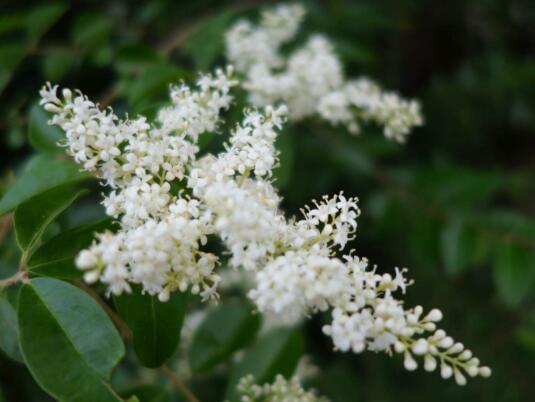
The propagation methods for Aglaia odorata (Chinese perfume plant) include sowing, cuttings and layering.
Aglaia odorata is a highly ornamental flowering plant, and people in many regions of our country grow it. As more people grow it, how to propagate Aglaia odorata has become a question of general interest. Below is a detailed explanation of the propagation methods for Aglaia odorata, let us take a look.
-
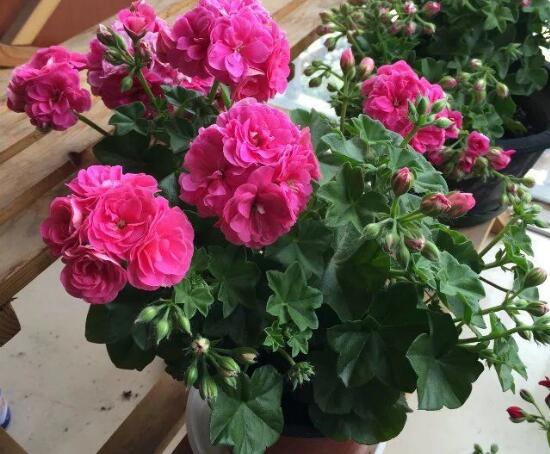
Geranium propagation methods include cuttings, seed sowing, and tissue culture.
Geranium is a highly ornamental plant, and it can be seen in many gardens in our country; its blooming period is also its most beautiful moment. Of course, wanting it to produce beautiful flowers has a lot to do with the propagation process. Regarding how geraniums are propagated
-
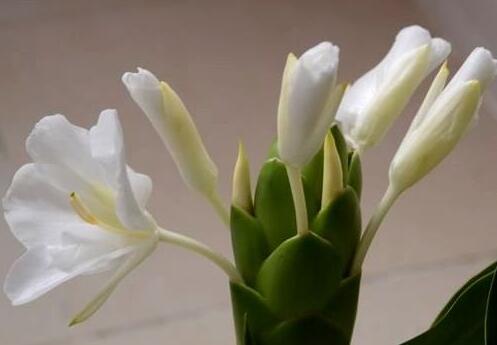
Can ginger lily be grown in water, and how to grow ginger lily in water / It can be grown in water / With water-growing tips included
Ginger lily is much loved for its elegant flowers and rich fragrance, and many flower lovers marvel at how beautiful ginger lily can be. So can it be grown in water? If so, how do you grow ginger lily in water? And how do you get ginger lily to bloom in water? Let us find the answers together.
-
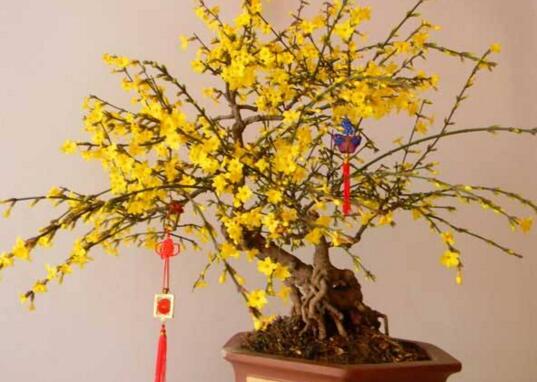
How to water wintersweet (Chimonanthus praecox)? You must water thoroughly, with watering times and water amounts included
Wintersweet (Chimonanthus praecox) is a plant with strong drought tolerance, and it can survive for a long time in dry environments, but if you want it to grow normally, keeping it short of water for a long period is obviously not advisable, so how do you water wintersweet? Let's take a look at the watering methods for wintersweet. How to water wintersweet: generally speaking
-

Natural color-enhancing feeds for laying hens include pine needles, black locust leaves and mugwort leaves
Pine needle powder: made by air-drying and grinding pine needles. Generally, adding 3 percent to 5 percent to the feed gives a good color-enhancing effect, and can increase the egg production rate by 13 percent. Black locust leaf powder: the added amount of black locust leaf powder accounts for 5 percent of the feed, and the effect is better than pine needles; the yolk color can be raised from grade 1 to grade 9 and can remain stable without changing. Mugwort leaf powder: mugwort leaves contain nutrients such as fat, protein and various amino acids. Adding 2 percent to 3 percent mugwort leaf powder to the chicken diet can increase egg production by 12 percent to
-
What vitamin feeds are included in fox diets?
Vitamin feeds Currently, the vitamin feeds in more common use include cod liver oil, yeast, malt, cottonseed oil, and others. Cod liver oil: It is the main source of vitamins A and D. Each fox can be fed 800-1000 international units per day. When feeding, it is best to drip it into the food bowl after the meal. When liver and fresh sea fish are fed year-round, cod liver oil supplementation may not be necessary. During storage, pay attention to sealing it and placing it in a cool, dry, and dark place; metal containers should not be used for storage. When using cod liver oil, pay attention to the production date to prevent it from losing effectiveness after long storage. It is forbidden
-
What kinds of plant-based feed are included in the fox diet?
Plant-based feed is also an important component of the fox diet. It includes various grains, processing by-products of oil crops, and various vegetables. This type of feed is rich in carbohydrates and supplements the energy foxes need. 1. Grains. Grains generally fed to foxes include cornmeal, whole wheat flour, etc. Grain processing by-products can also be fed to foxes in small amounts. Grain feed must be crushed and cooked before being fed to foxes. The cooking methods commonly used at production sites include: boiling into porridge, steaming into steamed corn bread, roasting, baking, extrusion, etc. The purpose of crushing and cooking the feed is to break
-
Other names for the rose myrtle (Rhodomyrtus tomentosa) include renzi, shanren, gangren and shanru.
Other names: renzi, shanren, gangren, commonly known as "shanru". Morphological characteristics: the plant is short, 1-2 m tall, with opposite leaves and short petioles, 4-6 mm; leaves are leathery, elliptical or obovate, 3-6 cm long and 1.5-3 cm wide, with a blunt apex and a wedge-shaped base, dark green and hairless on the surface, grayish-green and densely covered with down on the underside. Cymes are axillary, with 1-3 flowers about 2 cm in diameter, in red, pink, white, http://www.cnefs.com">rose
-
What mineral feeds are included in the diet of foxes
Mineral feeds The mineral feeds used for foxes mainly include bone meal and salt, etc. Bone meal: it is the powder made from bones after boiling and drying, and is the main source of calcium and phosphorus. Bone meal contains 40% calcium and 20% phosphorus. Bone meal needs to be supplied year-round, especially during the breeding season, and is even more important for female foxes or growing foxes, so the supply should be appropriately increased. 10-15 grams per fox per day. If the diet can supply fresh crushed bones or feed based mainly on fish, bone meal may be omitted. Salt: it is essential for maintaining the normal physiological osmotic pressure of the body
-
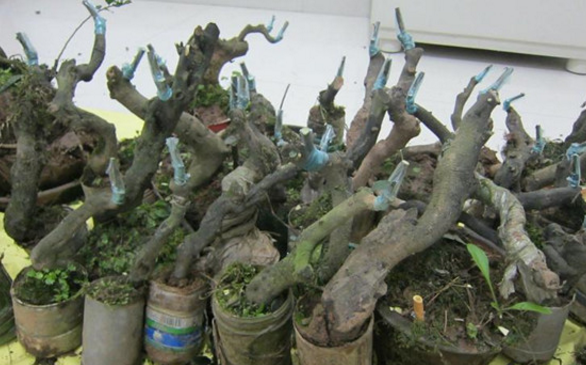
How much does it generally cost to graft Golden Bullet (Diospyros cathayensis)? Grafting tips included
Golden Bullet (Diospyros cathayensis) is dioecious. Surely many flower lovers have tried grafting it by the branch grafting or bud grafting method and failed; there is a certain amount of technique involved. Grafting techniques for Golden Bullet. The grafting time for Golden Bullet: early May is the best period for grafting Golden Bullet. Grafting techniques for Golden Bullet
条件筛选