Piglet stubborn diarrhea has both high incidence and high mortality; how should it be treated?
In recent years, piglet diarrhea disease has had a high incidence, high mortality, and low cure rate, causing great losses.
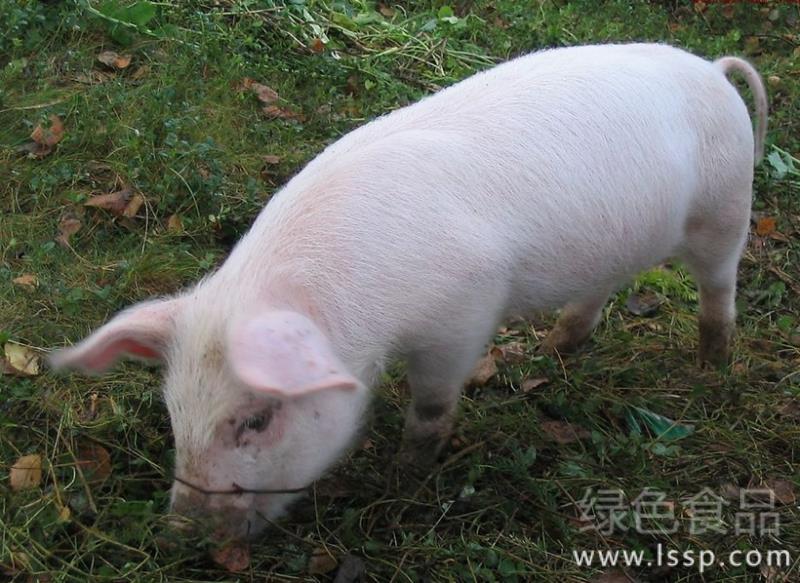
Piglets
I. Causes of the disease
1. Direct maternal infection: sows carrying the pathogen are the main cause of piglet infection with diarrhea disease. When sows are infected with porcine circovirus type II, porcine reproductive and respiratory syndrome, epidemic diarrhea, Haemophilus parasuis disease, pseudorabies, Streptococcus, or swine fever, piglets become infected through suckling.
2. Poor pig house environment: poor ventilation in the farrowing house, poor environmental hygiene, and unreasonable heat preservation equipment are also important causes of piglet infection with diarrhea disease.
3. Improper feeding management: sows transferred from the gestation house to the farrowing house were not strictly disinfected, the farrowing house cannot achieve all-in all-out, and lactating sows' feed has a low nutritional level and poor milk quality.
4. Feed causes: feeding moldy and spoiled feed, and feed with a low nutritional level, cause a decline in sow immunity, and piglets suffer damage to internal organ function through suckling, which induces diarrhea.
5. Unreasonable drug use and immunization procedures: indiscriminate use of antibiotics causes the dam to develop drug resistance; immunization procedures are chaotic and unscientific, sow immune antibody levels are uneven, immunity declines, and there is a lack of protective capacity for piglets.
II. Clinical symptoms
Piglets with diarrhea range from 3-10 days of age. In the first 1-2 days they pass yellow-white thin feces, then gray watery thin stool. Some piglets have vomiting or neurological symptoms. Affected piglets rapidly dehydrate and become emaciated, and the mortality rate is as high as more than 75%.
III. Necropsy lesions
There is yellow mucus in the stomach, congestion of the mucosa at the fundus of the stomach, and some have ulcerative lesions. The small intestine, colon, and large intestine are filled with yellow fluid. The mesenteric lymph nodes are obviously enlarged, the spleen is enlarged 1-2 times, the liver is enlarged and yellow, the gallbladder is enlarged, and the bile is thick. There is fluid accumulation in the thoracic cavity, the lung interstitium is widened and enlarged, with hemorrhagic symptoms, and there is hemorrhage in the coronary fat of the heart.
IV. Treatment methods
1. Combination of Chinese and Western medicines. Add 1000 grams of Fuzheng Jiedu San and 500 grams of tilmicosin to each ton of sow feed, and administer continuously for one month, then use it for one week each month afterward.
2. Piglets are injected intramuscularly with interferon 0.01 milliliters/head and cefixime 0.2 milliliters/head, once a day, for 3 consecutive days.