-

Characteristics and Control Methods of Cotton Rhizoctonia Damping-Off
Characteristics of cotton damping-off: After the cotton seedlings emerge, they are damaged; in the early stage, yellow-brown lesions appear at the base near the soil surface, and the lesions gradually expand to surround the entire base, showing obvious constriction; the diseased seedlings wilt, lodge, and die. After the cotyledons are damaged, yellow-brown irregular lesions mostly appear in the middle of the cotyledons
-
Winter is a high-incidence period for diseases on chicken farms — which chicken diseases are more suitable for emergency vaccination?
Entering winter, temperatures drop sharply, and diseases on chicken farms enter a high-incidence period, making vaccination of chickens especially important, particularly emergency vaccination after an outbreak in the flock. For some chronic, atypical infectious diseases, a few chickens fall ill first; if not handled properly, the disease will sweep
-
How to effectively treat autumn gill rot disease in carp
1. Incidence and symptoms In 2005, a total of 8 cages of carp were farmed in Tumenzi Reservoir. From the introduction of fry at the end of April to mid-September, disinfectants were consistently applied externally by splashing or hanging baskets every half month, and medicated bait was fed once every 20 days. Bactericides and insecticides were used alternately
-
Sharing Experience on the Prevention and Treatment of Common Winter Diseases in Domestic Rabbits
Low winter temperatures are unfavorable for the reproduction of pathogenic microorganisms. Therefore, there are relatively fewer diseases. However, because heat preservation and warming measures are generally adopted in winter, people tend to focus on heat preservation and warming while easily neglecting ventilation and air exchange, which increases the content of harmful gases in the rabbit house,
-
What Is Scrub Typhus? Symptoms of Chigger Bites and High-Incidence Areas
Recently, hot and rainy weather has prevailed in many places, marking the peak season for scrub typhus. Chiggers, also known as scrub mites or sand mites, have been responsible for repeated cases of chigger bites leading to death in various places in recent years, with June to September being the peak period for chiggers each year. So what is scrub typhus? What happens
-
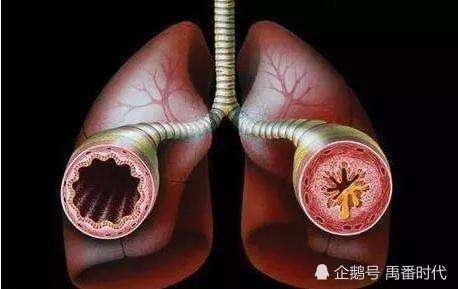
Why is the incidence of COPD rising continuously today?
In a 2015 report, the incidence of COPD in China had already risen to 12%, and it was also reported that the four major diseases threatening human health listed by the World Health Organization are chronic respiratory diseases, cardiovascular and cerebrovascular diseases, diabetes, and cancer...
-
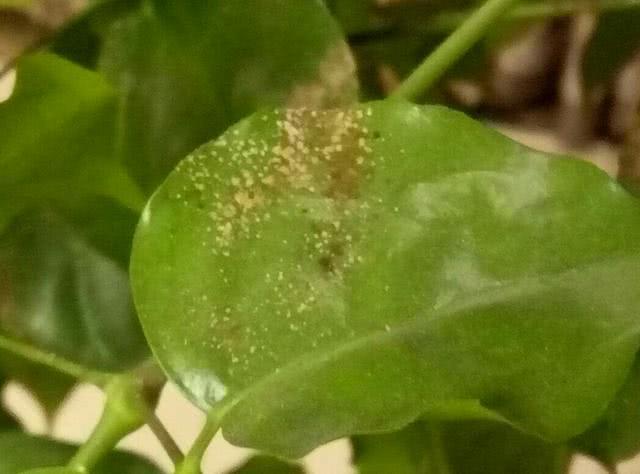
Summer is a high-incidence period for scale insects: what causes it and what should you do
The biggest trouble when growing plants is encountering pests. If you do not deal with them in advance, then the effort you put in over the previous period may be wasted, and everything will suffer from pests and diseases. The consequences are unimaginable, so...
-

What are the reasons for the high incidence of allergic asthma?
Because allergic asthma is characterized by an allergic constitution or a familial pattern of onset, reality shows that about 80% of allergic asthma begins in infancy and early childhood, and 90% of childhood allergic asthma becomes...
-
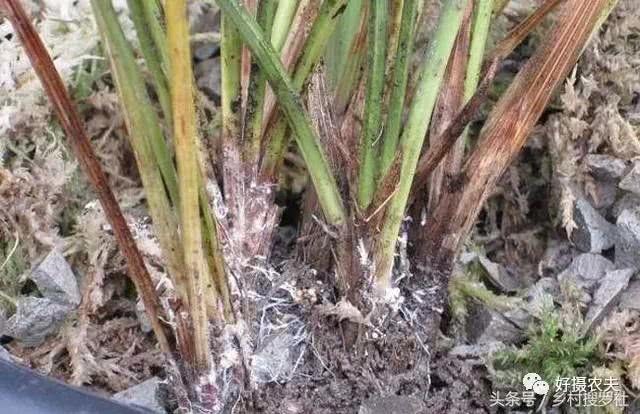
The plum rain season is a high-incidence period for Southern blight in orchids; prevention comes first
A fellow orchid grower asked Haoshe Nongfu, what should be done when an orchid gets Southern blight? To be honest, Haoshe Nongfu has never encountered this orchid disease, so I asked a few of my senior orchid-growing friends to discuss this topic, and some of their experience may help you understand this disease...
-
Prevention Is Key in Sheep Diseases: Maintaining Good Body Condition Reduces Disease Incidence
Sheep Diseases: Prevention Is Key and Body Condition Matters
条件筛选