-
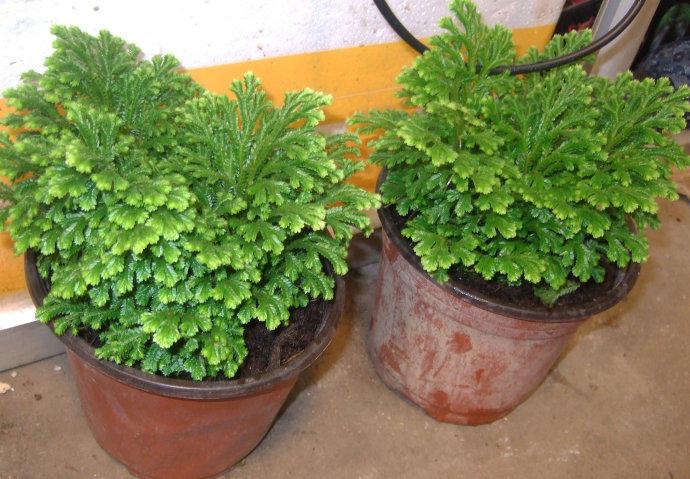
A plant dug up from the hillside and potted can go three months without water and still live just fine.
The improvement in our quality of life means we no longer have to worry every day about not having enough to eat or warm clothes to wear, the way we used to. Once the basics of food, clothing, shelter and transport are taken care of, everyone starts to care about spiritual enrichment. Whenever I see a friend showing off...
-
Detailed Explanation of Water-Saving Techniques for Chestnut Planting on Hillsides
Chestnut blight, also known as chestnut cortical rot, chestnut tree rot, and chestnut plague, is one of the main diseases of chestnut trees. It occurs in all major chestnut production areas in China, with severe damage in some production areas, and the chestnuts grown in Nanxiong are also very severely affected. The bark of affected chestnut trees rots, the tree vigor weakens, and in severe cases it causes dead branches and dead trees. I. Harm...
-
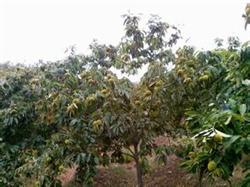
How to save water when growing chestnuts on hillsides? Four methods to teach you
1. Deep plowing to improve the soil and heavy application of organic fertilizer. Because hillside chestnut orchards are often left unmanaged, with severe soil erosion and extremely low soil fertility, measures should be taken to build up soil fertility. Immediately after harvesting the fruit that year, deep plow to improve the soil. 2. Foliar topdressing after fruit harvest. Timely foliar topdressing after fruit harvest can both ensure that the leaves drop at the right time, ...
-
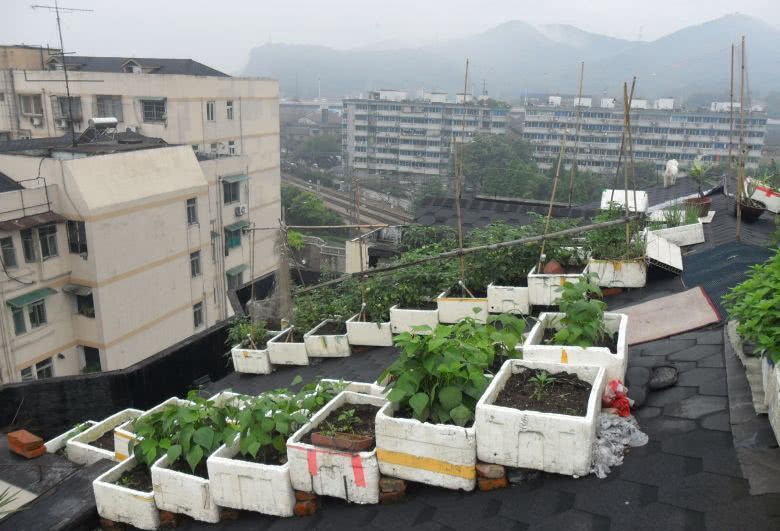
The hillside-top vegetable garden seen again: the green fruits and vegetables you grow yourself are simply a feast for the eyes
The "hillside-top vegetable garden" seen again: growing your own vegetables has so many benefits. Saving money is obvious, and they are green, eco-friendly and pollution-free, with health you can see. Growing vegetables also cultivates your character and gives you exercise. If you have children at home, you can not only give them the healthiest vegetables, ...
-

What to Do About Low Yields of Apple Trees on Barren, Dry Hillsides? A Detailed Guide to High-Quality, High-Yield Cultivation Techniques
High-Quality, High-Yield Cultivation Techniques for Low-Yield Apple Trees on Barren, Dry Hillsides
-
What plant is Echeveria chihuahuaensis? Introduction to a Crassulaceae succulent variety
Echeveria chihuahuaensis is a succulent in the Crassulaceae family, genus Echeveria, also called "Chihuahua"; it originates from Mexico, growing on hillsides with good air circulation and ample sunlight. Because Echeveria chihuahuaensis has a relatively small plant form and a compact rosette leaf disc, it is a highly ornamental succulent.
-
Is purple magnolia a woody plant? A brief introduction to purple magnolia
Purple magnolia, of the genus Magnolia in the family Magnoliaceae, also known as Mulan and Xinyi, is a plant endemic to China, distributed in Yunnan, Fujian, Hubei, Sichuan and other places in China, growing in areas at an altitude of 300 m to 1,600 m, generally growing on hillsides at the forest edge.
-
What kind of plant is the tiger lily? Let's get to know this bulbous plant
The tiger lily is a plant of the Liliaceae family. It grows under hillside shrubland, on grassland, and beside roads or ponds. It is mainly produced in regions such as Jiangsu and Zhejiang, and is widely distributed.
-
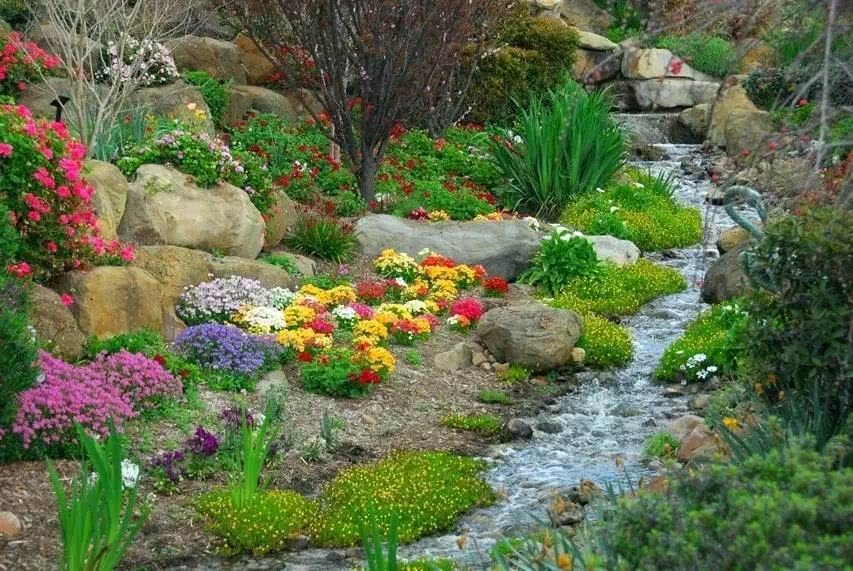
These flowering plants are suitable for planting on hillsides and slopes, beautiful and able to prevent landslides
If your yard happens to have a slope, it can be quite troublesome. Arranging a small garden in an environment with a hill or slope is relatively difficult. Wind and rain cause serious damage to the surface soil of the slope, and the natural...
-

Corn poppies bloom in full glory, turning the hillside into a sea of flowers
The hillside where corn poppies bloom. The hillside where corn poppies bloom - that name sounds quite familiar, doesn't it? That's the title of a famous animated film by the renowned Japanese animation master Hayao Miyazaki. By chance, I was drawn to this film title, not only...
条件筛选