-

Detailed Explanation of Field Management Techniques for Okra
1. Intertillage, weeding and hilling: After the seedlings emerge or are transplanted, when the temperature is relatively low, intertillage should be carried out 2 times in succession to raise the soil temperature and promote seedling recovery. Before the first flower opens, intertillage should be intensified so as to appropriately restrain seedling growth and benefit root development. After flowering and fruiting, the plants grow faster, and after each
-
How to Prevent Chilling Injury in Cowpeas? A Full Guide to Remedies
After entering March, temperatures gradually rise, but cold air also appears from time to time, bringing sharp drops in temperature. In this situation, if vegetable production management is not strict, crops are very likely to suffer chilling injury or even be frozen to death directly, greatly affecting yield. Below, the editor
-
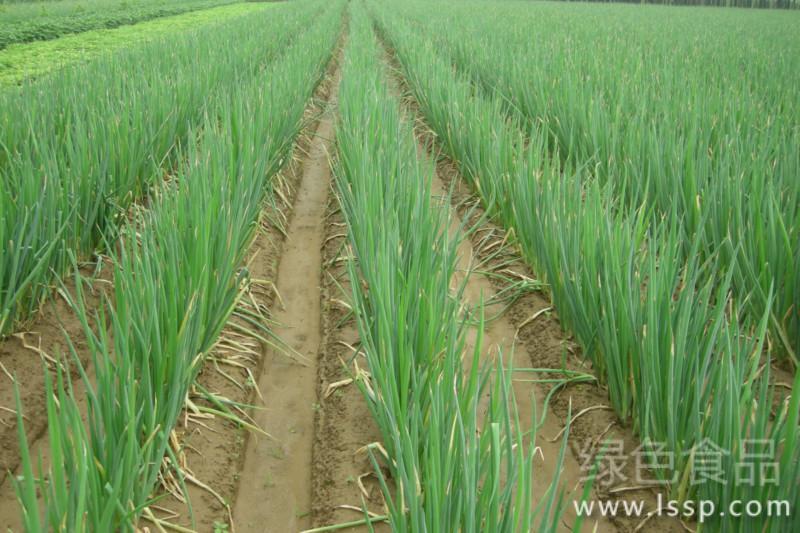
For high yield and good quality in green onions, proper hilling and fertilization are very important
To improve the yield and quality of green onions, proper hilling and fertilization are very important
-
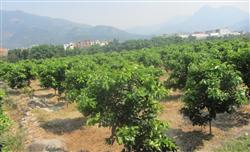
Detailed Explanation of Hilling Methods and Key Technical Points for Red-Fleshed Honey Pomelo
How should red-fleshed honey pomelo be hilled? What should be noted? We also ask experienced netizens to help share their knowledge. Zhongdiwang has compiled common mistakes in hilling red-fleshed honey pomelo, listed below for netizens' reference. Common mistake one in hilling red-fleshed honey pomelo: hilling too high - hilling honey pomelo too high will affect the root of red-fleshed honey pomelo...
-
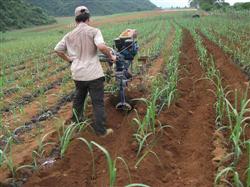
Why does sugarcane need hilling? A detailed explanation of planting techniques
Why does sugarcane need hilling? What are the benefits of hilling sugarcane? How do you hill sugarcane? Let us introduce each one by one. Zhongdiwang has compiled the benefits and methods of hilling sugarcane, listed below for netizens to refer to. Hilling sugarcane because the sugarcane stem borer (stalk borer), besides harming sugarcane seedlings and causing deadheart seedlings, also...
-
What are the functions and benefits of hilling soil around sesame?
The functions of hilling soil around sesame
-
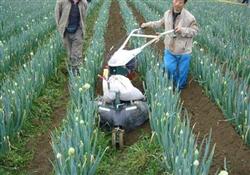
There's an art to hilling green onions - keep these precautions in mind
What should you pay attention to when hilling green onions? Can any readers help explain? During the cultivation of green onions, proper hilling is very important - it can increase the length of the white stalk, prevent lodging and bending, and at the same time greatly improve the taste and quality of the green onions, raising their value. Hilling is a key measure for softening the leaf sheaths, preventing lodging, and improving the...
-
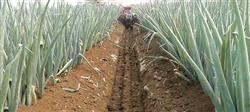
What is the purpose of hilling soil around scallions? A detailed guide to hilling methods
The elongation of the leaf sheath cells in the false stem of scallions requires a dark and moist environment and is based on the input and accumulation of nutrients. Therefore, hilling soil in stages is an important measure to prevent lodging, soften the leaf sheaths, extend the length of the white stalk, and improve the yield and quality of the white stalk. Hilling should be done after entering the vigorous growth period, when the climate and soil temperature turn cooler...
-
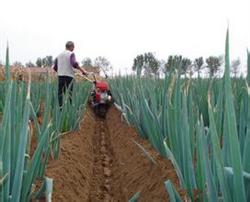
What are the precautions for hilling scallions? These points you need to know
During the cultivation of scallions, proper hilling is very important. It can increase the length of the white stalk, prevent lodging and bending, and at the same time greatly improve the taste and quality of scallions, enhancing their value. Hilling is an important measure for softening the leaf sheaths, preventing lodging, and improving the yield and quality of the white stalk. Cultivation and hilling must be carried out during the white stalk...
-
What methods are there to prevent chilling injury in stored peaches?
Peaches are climacteric fruits, with a respiratory peak and poor storage tolerance; at room temperature they can be stored for only a few days, and most cultivars can be stored at 0°C or below for only 15~30 days. After harvest, peach fruit enzyme activity and respiration are both very strong, so at room temperature the fruit easily softens and rots; low temperature, low oxygen and higher carbon dioxide can inhibit respiration and enzyme activity. At 0°C, using film bag packaging and controlled atmosphere storage, controlling 1%~2% oxygen and 3%~5% carbon dioxide, and applying an ethylene absorbent, the fruit can be stored for 2 months, but care must be taken
条件筛选