-

Prevention and Treatment of Common Diseases in Yellow Catfish Farming
Hemorrhagic edema disease. Hemorrhagic edema disease in yellow catfish is caused by bacterial infection. This disease is most harmful during fry or adult fish farming, and is especially prevalent during fry rearing, with a mortality rate as high as 80%. In hot seasons, the disease breaks out suddenly, strikes fiercely, and spreads quickly.
-
Prevention and Treatment of Hemorrhagic Edema Disease in Yellow Catfish Aquaculture
Hemorrhagic edema disease in yellow catfish is caused by bacterial infection. This disease is most harmful during fry or adult fish aquaculture, and is especially prevalent during fry rearing, with a mortality rate as high as 80%. In high-temperature seasons, the disease breaks out suddenly, strikes fiercely, and spreads quickly. Symptoms: The body surface of diseased fish turns yellowish, with increased mucus; the skin of the pharynx ruptures and becomes congested, forming round holes; the abdomen becomes distended, the anus is red and swollen and protrudes outward; the head is congested, the dorsal fin is swollen, the bases of the pectoral and pelvic fins are congested, the fin rays ulcerate, and in severe cases the abdomen splits longitudinally from the pectoral fins to the pelvic fins, with bile seeping out. A large amount of bloody fluid or yellow gelatinous material accumulates in the abdominal cavity, the stomach and intestines contain no food, the stomach is pale, the intestines are filled with yellow fluid, the liver is earth-yellow, the spleen is necrotic, and there are mold-black spots on the kidneys.
-
How to prevent and treat hemorrhagic disease in black carp farming
I. Prevention 1. Blocking pathogens ① Seed source: cultivate healthy older fry to improve disease resistance of the fry. Establish a quarantine mechanism for broodstock and fry. ② Water source: require fresh, pollution-free water and set up pre-treatment facilities for incoming water. In addition, separate the inlet and drainage systems to reduce cross
-
Prevention and Treatment of Hemorrhagic Disease in Crucian Carp Farming
June to September is the peak period for fish disease onset. In adult fish ponds, hemorrhagic fulminant fish disease in crucian carp often occurs, and it endangers silver carp, bighead carp, and blunt snout bream, bringing heavy losses to farmers. General conventional medication treatment is not very effective. After years of repeated observation and treatment, researchers
-
Symptoms and Prevention and Control Methods of Hemorrhagic Disease in Grass Carp Aquaculture
Hemorrhagic disease is a fish disease caused by a reovirus. The virus particles are mostly spherical or hexagonal. The diameter of a complete virus particle is 68-72 nanometers, much smaller than the smallest bacterium. (1) Symptoms The main symptom of diseased fish is congestion. External symptoms generally show a slight reddish tinge, and in small fry, subcutaneous congestion can be seen under sunlight or lamplight. Some diseased fish also show congestion in the mouth, lower jaw, operculum, and base of the fins. When the skin of a diseased fish is peeled back, the muscles may show punctate or patchy congestion; in some cases the entire body musculature is congested, the gills are anemic and show "white gills," and patchy congestion of the gill lamellae may also occur, though some diseased fish show no such gill symptoms. The most common symptom in the internal organs is intestinal congestion; the whole intestine or part of it appears bright red due to congestion, and the mesentery and surrounding fat are also often accompanied by obvious punctate congestion, but the intestinal smooth muscle generally remains intact, with no rot or edema. A small number of diseased fish show grayish-white or locally congested liver, spleen, and kidney, and the swim bladder wall and gallbladder are often filled with blood streaks.
-
What are the treatment methods for grass carp hemorrhagic disease? Explained in one article
Hemorrhagic disease of grass carp is a common condition. How should it be treated? The editor of Tuliu.com will explain below. I. Symptoms and Diagnosis Based on the examination of the diseased fish brought in, the main symptoms were: no obvious symptoms on the body surface of the diseased fish, slight bleeding inside the gill cover, pinpoint bleeding in the muscle when the fish was cut open, no food in the intestinal tract, pale liver and spleen due to blood loss with pinpoint bleeding, and ascites in the abdominal cavity (see color insert 2). Based on visual inspection, it was basically determined to be grass carp hemorrhagic disease.
-
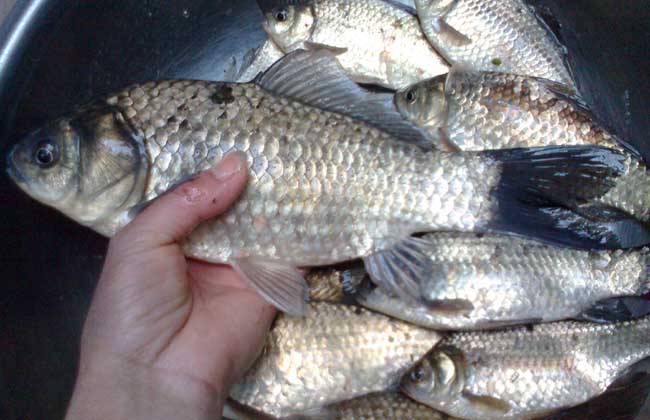
Control Methods and Technical Key Points for Hemorrhagic Disease in Crucian Carp
Control Methods for Hemorrhagic Disease in Crucian Carp
-
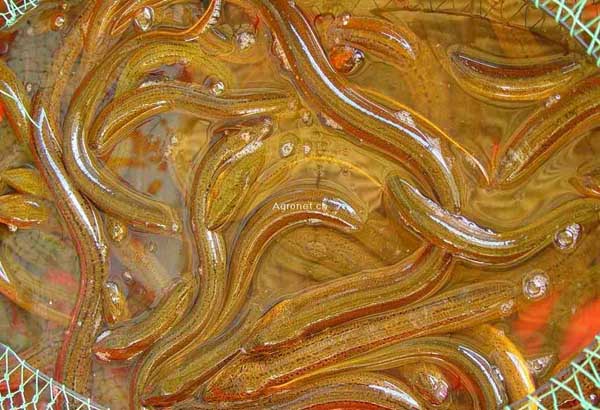
Control Methods and Technical Key Points for Hemorrhagic Disease in Rice Field Eels
Control Methods for Hemorrhagic Disease in Rice Field Eels
-
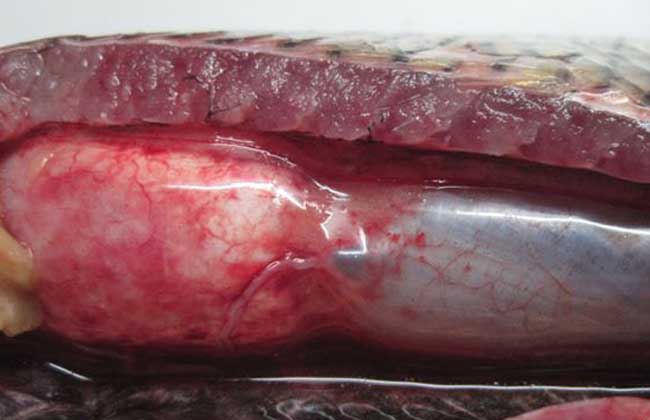
How to treat grass carp hemorrhagic disease for good results?
How to treat grass carp hemorrhagic disease?
-
What are the comprehensive prevention and control measures for hemorrhagic disease in farmed fish?
Comprehensive prevention and control measures for hemorrhagic disease in farmed fish
条件筛选