Control Methods and Technical Key Points for Hemorrhagic Disease in Crucian Carp
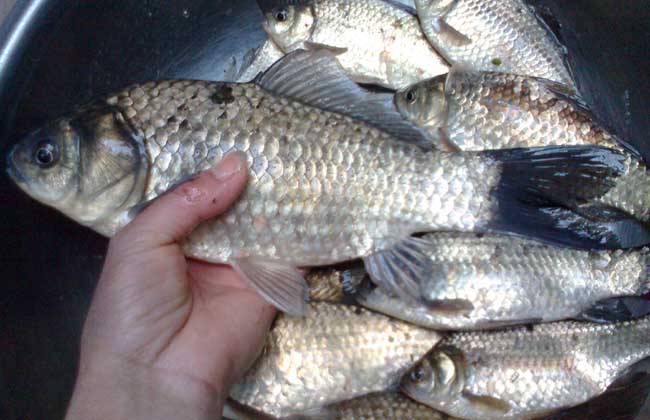
Hemorrhagic disease in crucian carp is a common fish disease during the hot season. In recent years, the incidence of hemorrhagic disease in crucian carp has been rising, and viral hemorrhagic disease in particular is more serious, striking suddenly with high incidence and high mortality; sometimes an entire pond of crucian carp can die from it. Preventing and treating hemorrhagic disease in crucian carp has become a key task for the aquaculture industry. Let us take a look below at the control methods for hemorrhagic disease in crucian carp!
Symptoms
The peak period for outbreaks of hemorrhagic disease in crucian carp is from May to September each year, and it gradually threatens other farmed fish in the pond, causing large numbers of fish deaths. In the early stages of the disease, the fish show mild hyperemia on both sides of the body, around the eyes, on the gill covers, and on the fins. When the disease is severe, the body surface and fins show severe hyperemia, with blood around the eyes; some fish have protruding eyeballs, pale yellow ascites or red turbid ascites in the abdominal cavity, hyperemic intestinal walls, and gas-filled intestines with no food and abundant mucus. The gill filaments show congestion or severe anemia, and so on.
Causes
Pond bottoms have large amounts of silt, in which toxic substances accumulate heavily; at the same time, the silt provides a place for massive proliferation of the pathogens that cause explosive hemorrhagic disease (Aeromonas hydrophila, Aeromonas sobria, and Yersinia ruckeri). Oxygen in the water is insufficient, and the water environment deteriorates. Abnormal weather and excessive temperature changes cause stress responses in fish and reduce their resistance.
Treatment Methods
1. External use: "Mujunxiao" 150 ml per mu*meter + "benzalkonium bromide" 30 ml per mu*meter.
2. Oral administration: "Dakejun" 200 g per 1000 kg of fish body weight + "Yingjining Type 3" 300 g per 40 kg of feed, mixed into bait and fed, once a day for 5 consecutive days.
Preventive Measures
1. If there are parasitic diseases, deworm first: "Beichongjing" 40 ml per mu*meter. When polycultured with grass carp and other fish, crushed wheat mixed with "Dakejun" can be scattered and fed throughout the pond, combined with pelleted feed mixed with "Dakejun" + "Yingjining Type 3" for targeted feeding.
2. If there are water quality problems, they must be improved before medication is used; water quality problems will cause repeated outbreaks of hemorrhagic disease. For example, if nitrite is on the high side, "Jingshui Jieduji" 500 ml per mu*meter or "Jieshuiling" 200 g per mu*meter can be used.
3. During the treatment period for fish disease or within one week after cure, observe the "three prohibitions": first, no seine netting; second, no large amounts of water addition; third, no application of nitrogen fertilizers such as ammonium bicarbonate.