-

Causes of Pumpkin Heart Rot and Prevention and Control Methods: Choosing the Right Variety Is Key
We eat pumpkins fairly often, and now pumpkins are grown in all four seasons, and no matter how they are prepared, they are very delicious. Market demand is still fairly large at present. Although there are more and more growers, truly good varieties are still more popular on the market. Besides the ways we usually eat pumpkins, their seeds and vines also have many uses; the whole plant is a treasure. Nowadays, many friends who grow pumpkins encounter a problem: heart rot often occurs. So, are you clear about the causes of pumpkin heart rot and prevention and control methods? Let's take a look together!
-
The Heart-Protective Benefits, Effects, Contraindications and Suitable Daily Amount of Regularly Eating Pistachios
Pistachios are a nut snack we commonly eat. They are the fruit of the pistachio tree, and the kernels of pistachios have very high nutritional value. Eating pistachios in moderation can effectively supplement the nutrients in our body. So what are the benefits, effects and contraindications of pistachios
-
What are the latest control methods for celery heart rot
Celery heart rot is a common physiological disease in celery cultivation. Its main cause is calcium deficiency in the plant, and in severe cases it causes the heart leaves to rot, seriously affecting the quality and yield of celery. It reduces farmers' income. So how should celery heart rot be controlled? Let's take a look.
-
Causes of Heart Rot in Celery and Detailed Control Methods
Celery heart rot is a relatively serious disease. It causes the core of the celery to become mushy and rot, making it unfit for normal consumption. It can occur at any stage of celery growth, and is extremely severe when the seedlings are affected. In mild cases it reduces yield, and in severe cases it causes total crop loss, bringing huge
-
What Causes Pumpkin Heart Rot? A Detailed Guide to the Latest Control Methods
Pumpkin originated in the Americas in the Mexico region and was introduced to China during the Ming Dynasty; it is now widely grown across the country and can be used both as food and as medicine. Different parts of the whole plant have different medicinal effects: the seeds have the effect of clearing heat and removing dampness, the vines have a heat-clearing effect, and the fruit stalk has the effect of preventing miscarriage
-
A Detailed Guide to the Latest Pest and Disease Control Methods for Bromeliads
Heart Rot and Root Rot If the base of the leaf tube gradually softens or even rots away, it is very likely heart rot. There will also be a foul odor given off into the air, and at this point if you take out the leaves or the leaf tube, it will quickly collapse on its own. In the case of root rot, the entire root tip will gradually rot away, and no lateral roots will grow out again, so if you find that the plant's ability to absorb water and fertilizer is too poor and the plant is growing slowly, it may be suffering from root rot.
-
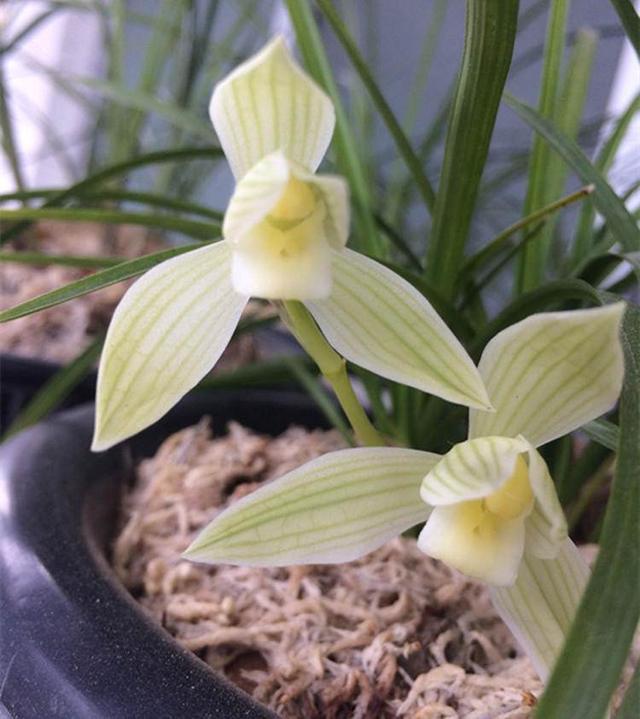
What to do about orchid heart rot in summer? Learn 5 tricks for more and more beautiful blooms
In summer, because most of the time it is hot and humid, growing orchids in such an environment can easily cause the orchid to have its "heart hollowed out," which means heart rot in the new orchid shoots. If an orchid has its "heart hollowed out," what should you do? Actually,...
-
What are the control methods for bacterial heart rot in corn?
Control of bacterial heart rot in corn
-
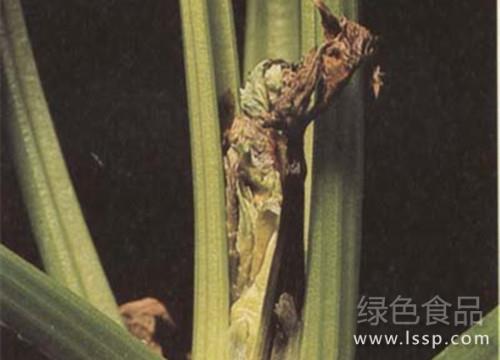
Celery heart rot causes the heart leaves to wither and scorch, and the roots, stems, and leaves to die. How can it be prevented and controlled?
Prevention and control methods for celery heart rot, which causes heart leaves to wither and scorch and the roots, stems, and leaves to die
-
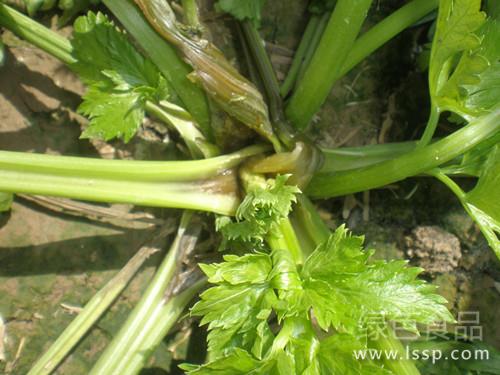
How to prevent and control black heart rot in celery with dark brown diseased parts bearing small black spots
Dark brown rot with small black spots on diseased parts: prevention and control methods for celery black heart rot
条件筛选