-
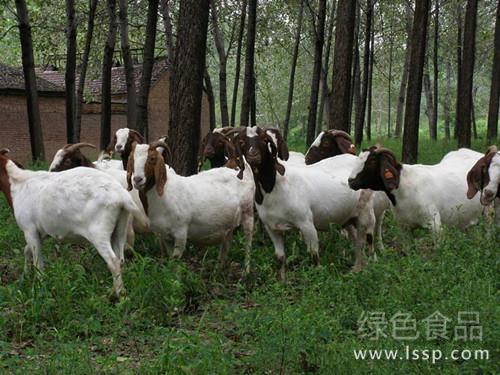
Calcium deficiency in pregnant sheep can easily lead to difficult lambing or even stillbirth; guard against osteomalacia during the winter
Calcium deficiency can easily cause difficult lambing or even stillbirth; pregnant sheep need to be protected against osteomalacia when overwintering
-
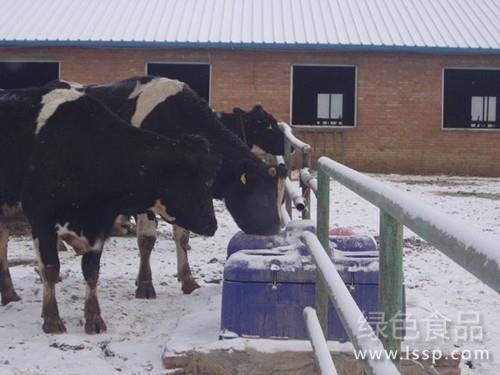
In winter, green feed is scarce and water storage is hindered, so cattle farmers must guard against cold-induced dehydration
In winter, green feed is scarce, so feed-based water storage is hindered; cattle farmers must guard against cold-induced dehydration in winter
-
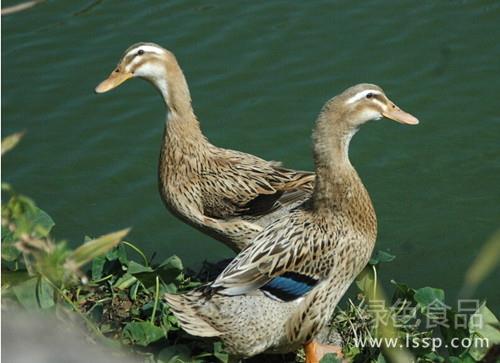
Cold weather and inadequate nutrition in early winter: guard against laying ducks stopping egg production
Cold weather and inadequate nutrition in early winter: guard against laying ducks stopping egg production
-
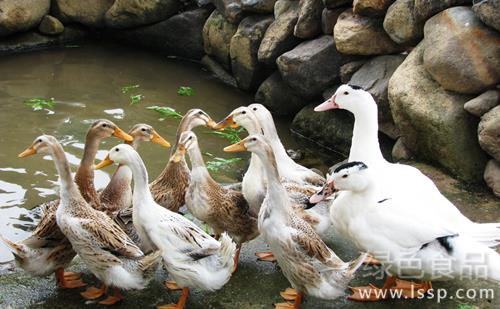
During continuous rainy spells, guard against duck soft-leg disease: weakness in both legs and swollen joints are warning signs
Diseased ducks have weak legs and swollen joints; during continuous rainy spells, guard against duck soft-leg disease
-
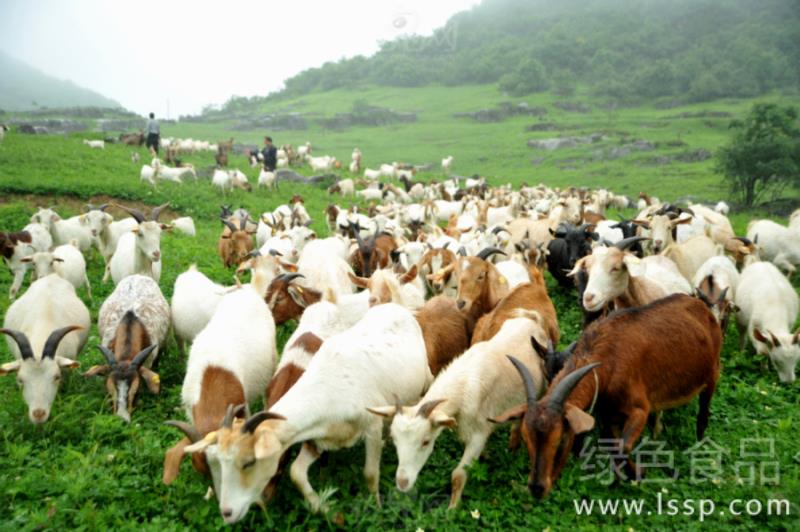
Sheep pox has a high mortality rate and causes severe losses; sheep farmers must guard against its spread
High mortality and severe losses: sheep farmers must guard against sheep pox outbreaks
-

In early winter, farmers must guard against swine choking disease
Pigs of different ages, sexes and breeds can all be infected. Although the disease can occur in all four seasons, it is more common in the early winter when the climate is changeable, and it often occurs as a mixed infection or secondary infection with swine fever virus and Mycoplasma hyopneumoniae. The most acute cases can die within a few hours, before there is time for treatment. In acute cases, the main symptoms are septicemia and acute pleuropneumonia. Body temperature rises to 41°C, the pig is listless, appetite is completely lost, coughing and wheezing occur, breathing is difficult with a sitting-dog posture, the nostrils discharge a serous secretion, and the conjunctiva has a purulent secretion. First constipation, then diarrhea. In the later stage
-
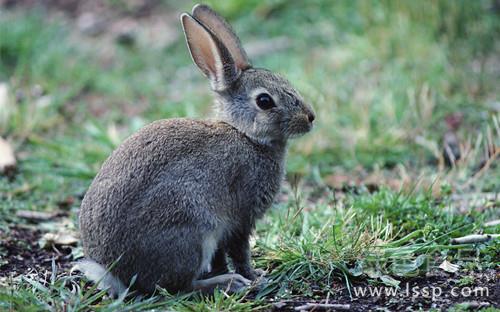
Rabbit epizootic enteritis is highly prevalent in winter; be on guard against refusal to eat, abdominal bloating, severe watery diarrhea and dehydration
Refusal to eat, abdominal bloating, severe watery diarrhea and dehydration; be on guard against rabbit epizootic enteritis in winter
-
Be on Guard Against Copper and Zinc Poisoning in Koi Keeping
I believe none of you will be surprised by this: copper and zinc in the water will kill koi. Of course, this is not news to me either. What I mean is, before you heard the story about a copper-connected heater releasing a large amount of copper into the water and thus killing all the koi, had you ever thought that copper and zinc could kill your koi? Perhaps many of us have not yet heard such a story. Before telling you these things, let me first review some of my own history. Of course, I have been keeping koi for quite a long time.
-
Fox and raccoon dog mange mite disease must be carefully guarded against in autumn and winter, never be overlooked
In the current season, the breeding of fur animals is entering the fur growth period. In addition to meeting the various nutrients required for fur growth, special attention should be paid to the occurrence of external parasitic diseases. Zhaoyuan Farm has 100,000 foxes and raccoon dogs in stock and has rich experience in the prevention and treatment of lice and mange mite disease. The precautions are introduced as follows: Pay attention to observation. Skin diseases such as lice and mange mite disease cause great harm to fur animal breeding. They should attract sufficient attention from the vast number of breeding farms and breeders. Especially in the current winter fur growth season, inspecting and preventing mange mite disease is work that breeders must not neglect before pelting.
-
How pig farmers can guard against furazolidone poisoning
Furazolidone is a yellow powder, slightly soluble in water, and is not easily absorbed after oral administration; its concentration in the intestinal tract is high, but its toxicity is relatively low. It is effective against bacteria such as Clostridium, Salmonella, and Staphylococcus, as well as streptococci and Escherichia coli. The general dosage for pigs should be 0.007 g per kg of body weight, given orally in 2-3 divided doses. Adult pigs are less sensitive to furazolidone, while piglets are highly sensitive. When the feeding amount is too large or it is used for a long time, it can cause acute or chronic poisoning. After poisoning, piglets show reduced appetite, weakness of the limbs, and an inability to stand
条件筛选