-
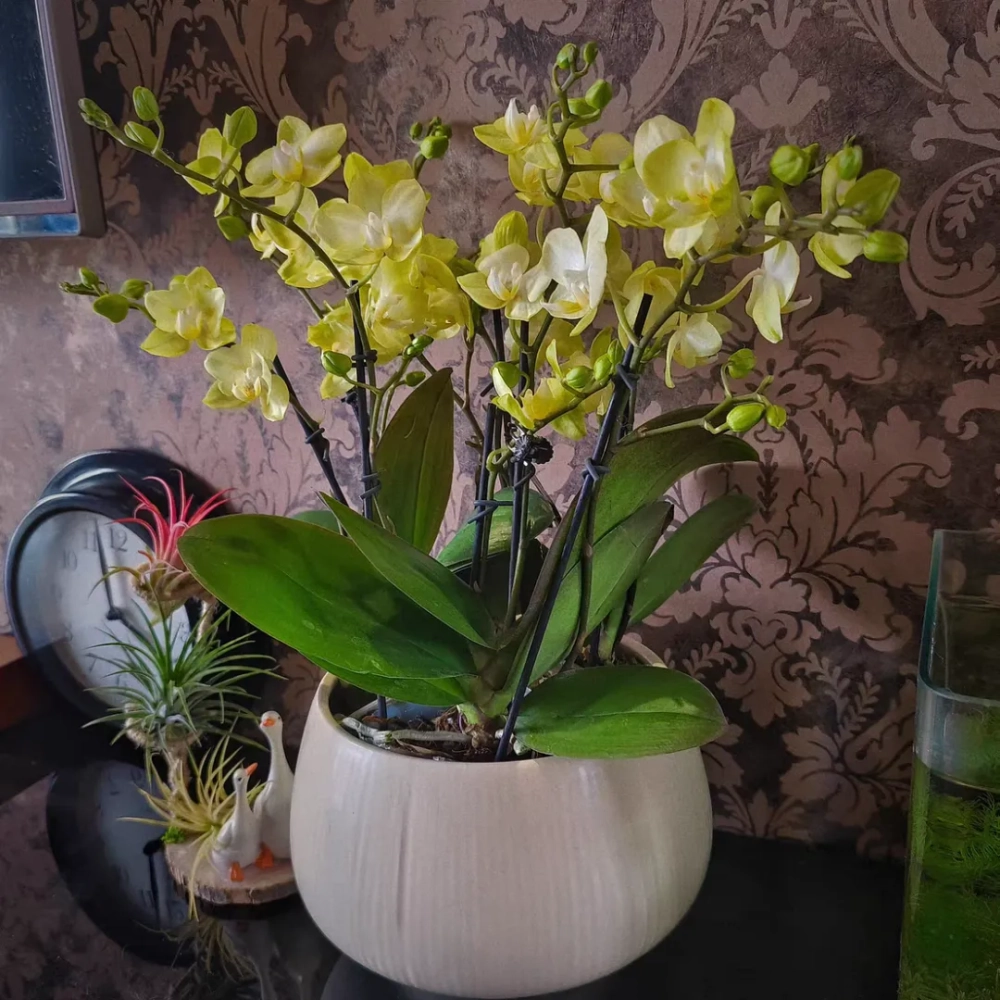
What are the white granules on the roots of Phalaenopsis?
Have you ever noticed dense white spots on the roots of your Phalaenopsis orchid while caring for it? Don't panic—these could be either southern blight
-
What causes white granules and mold on Phalaenopsis roots, and how do you deal with it?
Have you ever noticed dense white spots sprouting from the roots when growing Phalaenopsis? Don't panic, this could be southern blight or Leucocoprinus birnbaumii fungus. Today we'll teach you step by step how to tell them apart and give first aid. 1. Identifying southern blight. Southern blight is an extremely stubborn fungal disease! In the early stage, white thread-like growth appears on the roots, as if wrapped in a layer of
-

-
Long-acting slow-release metalaxyl granules developed successfully
Long-acting slow-release metalaxyl granules developed successfully
-
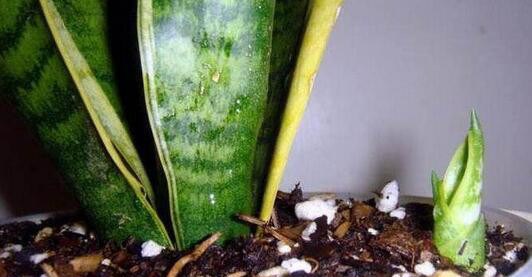
Asparagus fern and snake plant: feed them 3 granules every 10 days, and the new shoots will grow thick and strong enough to burst through the pot
Asparagus fern, snake plant: give them a little "something" every 10 days, 3 granules at a time, and the shoots will be like "steel drills", bursting through the pot. Nowadays people live better lives, and many like to keep a few pots of flowers at home for a cozy feel, and most flowers can also purify the air...
-
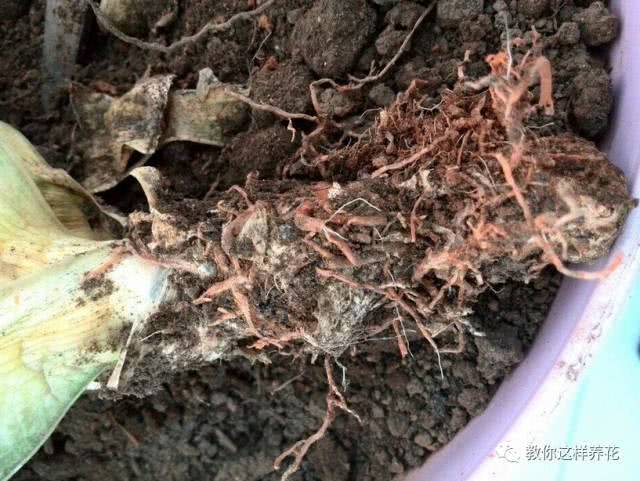
Use these 7 kinds of granules for growing flowers and never suffer root rot again - truly worry-free
The most common problem in growing flowers is how much to water, and what most flower growers encounter most is not withering and death, but problems like root rot caused by waterlogging! Let's take a look~ "Simple and easy-to-get granules" waterlogging and root rot waterlogging and root rot and...
-

Don't Worry About Yellow Leaves on Pothos: Mix a Little Granules with Beer and the Leaves Turn Green Instantly
People who grow pothos do so because its leaves stay lush and green all year round, giving it high ornamental value. But anyone who has grown pothos knows that it is especially prone to yellowing leaves, which instantly reduces its ornamental...
-
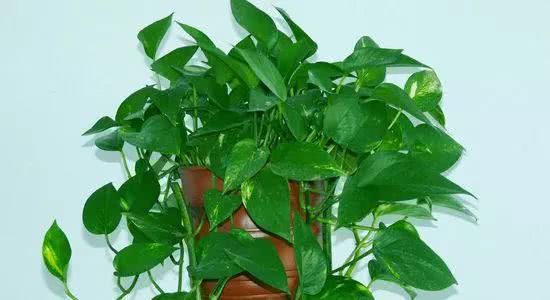
Pothos growing slowly? Feed it a few small granules and it will grow into a big cascade
Many people like to place one or several pots of pothos at home, as it can absorb harmful gases such as formaldehyde from the air. After all, there are too many things indoors that contain formaldehyde nowadays, so putting a few pots of pothos to purify the air feels safer, and it can also decorate...
-
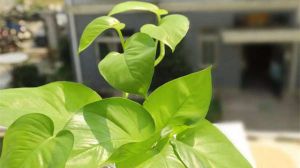
How many granules of compound fertilizer should be put in a pot of pothos?
When fertilizing pothos, about 3-4 granules at a time is enough. Before fertilizing, it should be diluted with water first, and the fertilizing frequency should not be too high, about once every 10 days. Applying more nitrogen fertilizer makes it grow more robustly, and potassium fertilizer can make its leaves more vivid. You can also use fish tank water or fermented rice washing water. During care, water it more, give it enough scattered light, and often open the windows for ventilation.
-
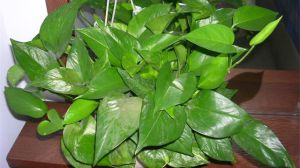
Can Pothos Be Given Compound Fertilizer Granules? Correct Usage Is Here
Pothos can be given compound fertilizer granules, but the fertilizer should first be diluted with water. Do not apply too much; about 4 granules at a time is enough. You can also apply more nitrogen fertilizer, and when yellow leaves appear, apply more potassium fertilizer. Homemade fertilizer is also fine; water from a fish tank or fermented rice-washing water both work.
条件筛选