Characteristics of Bamboo Charcoal Granules and How to Use Them in Orchid Cultivation
Bamboo charcoal granules are a granular carbonaceous material made from bamboo as the raw material, carbonized at high temperature, then crushed and screened. They are light in texture with well-developed pores, have strong adsorption capacity and a certain degree of water absorption and moisture retention, and the carbonization process also leaves them essentially free of pathogens and insect eggs, so they are often used as an auxiliary substrate in horticultural cultivation.
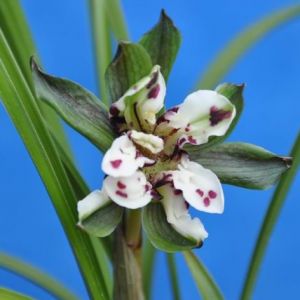
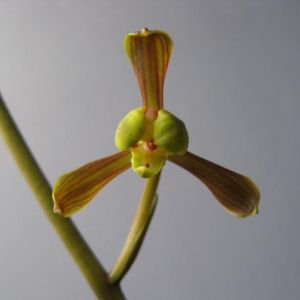
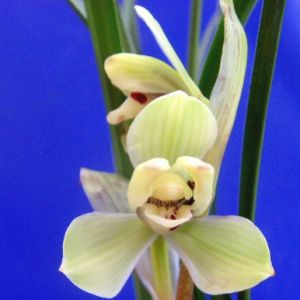
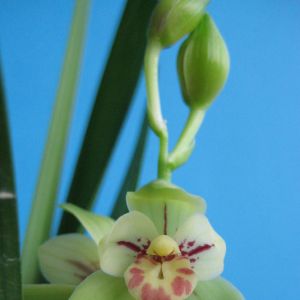
In orchid growing, bamboo charcoal granules are often used together with bark, Kanuma soil (plant gold stone), tree fern fibers and similar materials, which can increase aeration inside the pot and prevent the potting medium from compacting and becoming waterlogged. They can also regulate humidity inside the pot, absorb excess water, help stabilize the rhizosphere environment and reduce the risk of root rot, so they are commonly seen in the cultivation and management of varieties such as Cymbidium goeringii (spring orchid), Cymbidium kanran (cold orchid) and Cymbidium ensifolium (sword-leaf orchid).
Before use, they are generally soaked and rinsed in clean water first to remove dust and let the granules absorb enough water, and then the plants are potted up. They can be placed at the bottom of the pot as a drainage layer, or mixed into the potting medium for use; the proportion should not be too high, so as not to affect the overall water retention performance, and the specifics can be flexibly adjusted according to the local climate and watering habits.
It should be noted that bamboo charcoal granules are an inert material with limited nutrients of their own and cannot replace fertilizer, so routine water and fertilizer management is still needed. After being used for a long time, their adsorption capacity gradually weakens, so new material can be replaced when repotting to maintain good cultivation results.