-
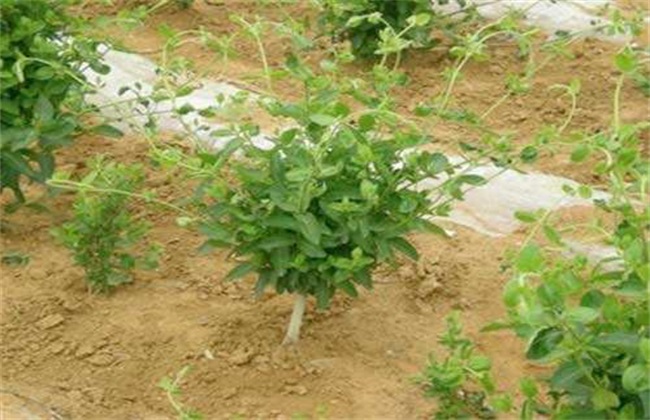
A complete guide to honeysuckle planting techniques, easy for beginners to get started
Honeysuckle planting techniques
-

-
-
-
-

A detailed guide to making cliff cypress bonsai, easy enough for beginners to get started
Pine and cypress bonsai, rugged and aged, cold- and heat-tolerant, not choosy about soil, are long-lived tree species and much loved by people. But digging up and transplanting old pine and cypress stumps so they survive is rather difficult, because their sap is in a waxy state and the bark is fragile and easily damaged; once wounded, the resin seals the cut and hardens, sap circulation is blocked, and it is very hard for new buds to sprout
-
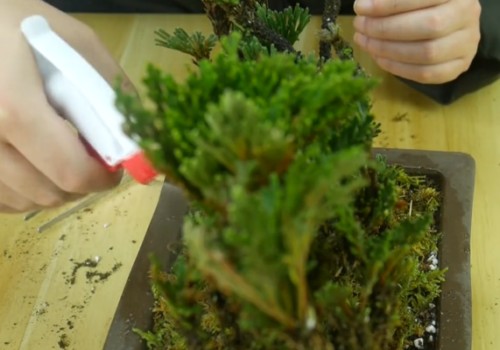
How to make a Selaginella bonsai? Detailed steps to get you started
Selaginella, an evergreen plant also known as "nine-death resurrection grass", has the characteristics of a small plant type, and is also drought-tolerant, shade-loving, and moisture-loving, making it very suitable as a bonsai for viewing. But many bonsai enthusiasts are worried about how to make a good pot of Selaginella bonsai, so how do you make a Selaginella bonsai? Today
-
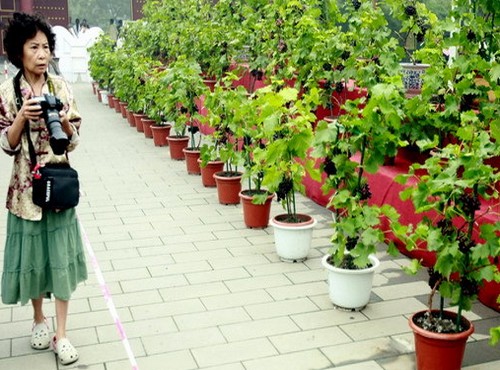
Detailed guide to grape bonsai growing techniques, easy for beginners to get started
When it comes to growing grapes, everyone immediately thinks of vast vineyards covering wide areas, but today we have good news for you: grapes can also be grown in flower pots, and they can even survive. Come and take a look. Grape bonsai is the general term for grapes grown in containers
-
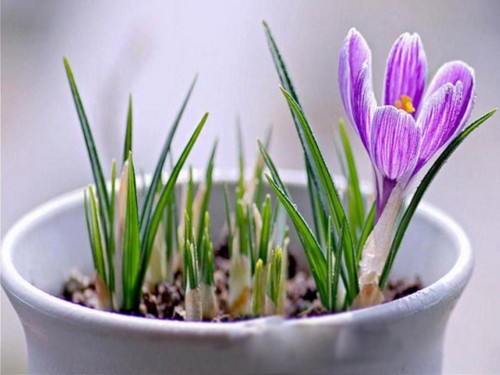
A detailed guide to growing saffron crocus in pots, easy enough for beginners to get started
Saffron crocus, also known as saffron, is a perennial herbaceous plant in the iris family (Iridaceae), with a plant height of about 15 cm, a flattened round corm, and brown membranous scales on the outer layer. The leaves are linear, with white veins and slightly rolled-back leaf margins; there are 6 petals in a purple-blue color, 3 stamens, 1 pistil, and 3 styles. The styles extend out of the perianth
-
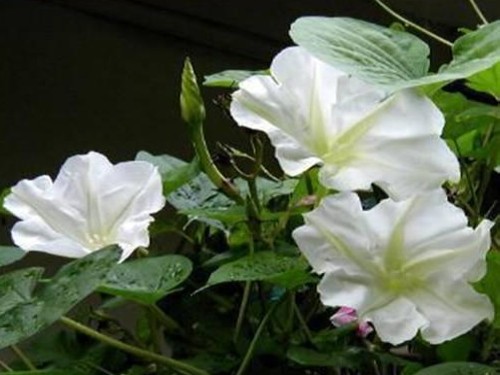
A detailed guide to moonflower planting methods, easy enough for beginners to get started
1. Field selection and land preparation: Choose flat plains and low-lying land with good drainage and fertile soil, as well as hilly land with irrigation conditions. Avoid repeated or successive cropping with watermelon and other cucurbits. Land preparation: Form ridges at the right moisture level and press promptly to preserve soil moisture. The transplanting ridges are long-opening ridges. The ridge width is 9~13cm, and the 7~8 empty ridges in the middle should also be ridged to help suppress weeds
条件筛选