-
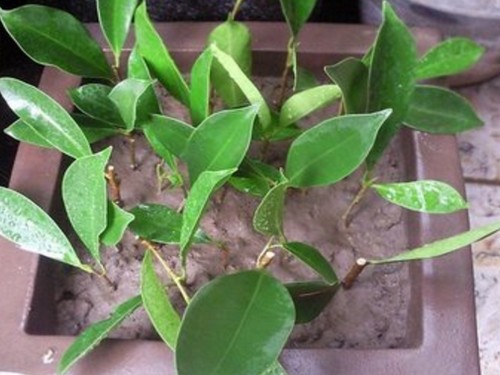
How to Propagate a Potted Ficus? A Detailed Guide to Common Propagation Methods
Ficus is an evergreen plant in the Moraceae family, with an elegant, expansive canopy and aerial roots that can form a forest from a single tree. It tolerates shade as well as sun, and moisture as well as drought. It has many varieties and is easy to shape, making it an excellent tree species for soil and water conservation, urban greening, and bonsai creation. Common propagation methods for Ficus include cuttings, layering, and buried layering. In northern greenhouses,
-

How to Propagate Potted Dracaena? A Detailed Guide to Common Propagation Methods
Dracaena is a very popular indoor foliage plant. Its leaves are emerald green and glossy, full of vitality, and highly ornamental, giving people an elegant and relaxed feeling, which is why people like to use Dracaena to decorate their environments. After Dracaena was introduced to China, apart from a few tropical regions where seeds have been produced
-
How to Propagate Potted Calla Lilies? A Few Practical Methods to Teach You
Calla lilies can improve your mood. Their delicate, elegant colors are what make calla lilies unique and worth admiring. Placing a pot of calla lilies in your home creates a beautiful sight that also feels very pleasant, keeping you in good spirits through the ongoing cycle and helping you become calm. They are especially suitable for placing in the home.
-
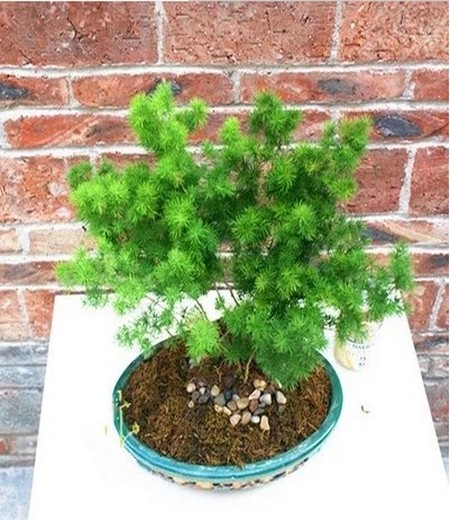
How to Propagate Asparagus Fern (Asparagus densiflorus)? A Detailed Guide to Common Propagation Methods
Asparagus fern has upright stems and branches with lush green foliage, making it one of people's favorite houseplants, and many have chosen asparagus fern for their home greenery. Asparagus fern has an attractive plant shape and verdant leaves, and is deeply loved by people. Displayed as a potted plant on a coffee table or desk, it adds a touch of scholarly elegance to a room. Asparagus fern is mostly propagated by division.
-
How to propagate potted Serissa japonica? All the common methods are here
Serissa japonica is simple and low-maintenance when planted in the ground. In the south, it can be planted in mass in gardens to form shrub thickets; viewed from afar in summer, it looks as white as snow, giving a feeling of coolness and elegance. It is usually used for shaped potted display or for making stump bonsai. Gardeners often need to propagate a couple of pots of Serissa japonica for themselves as backups
-
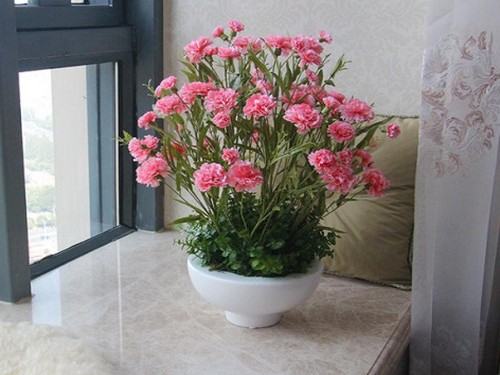
How to Propagate Carnations from Cuttings? Detailed Cutting Methods and Steps
Carnation propagation is divided into two types: asexual propagation and sexual propagation. Sexual propagation often has a low seed-setting rate, and the offspring grown from seed show great variation in traits and slow seedling growth, so it is rarely used in production. In production, asexual propagation is widely used, mainly cutting propagation, which has the advantages of abundant cuttings, stable traits and quick results.
-
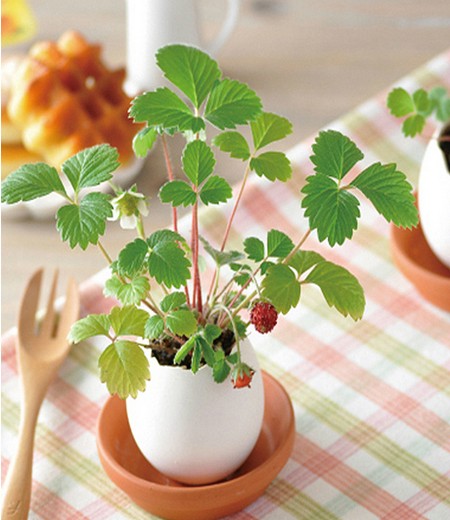
How to Propagate Plumeria? Introduction to Common Propagation Methods
Plumeria has extremely high ornamental value. The whole tree appears graceful, well-proportioned, natural and beautiful. The multi-year old trunk of a mature plumeria has a naturally formed shape that is vigorous and upright, full of presence; its canopy is like a cover, full of green, naturally growing into a rounded form. Therefore, in landscaping
-
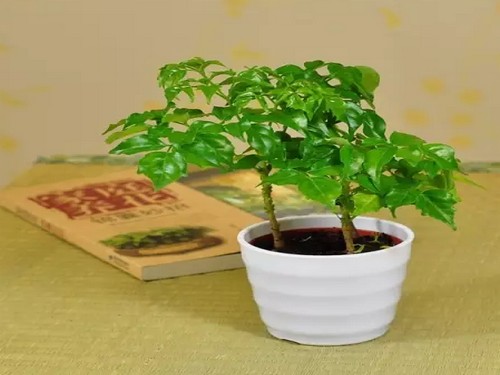
How to Propagate the Radermachera (China Doll)? A Detailed Guide to Common Propagation Methods
The main propagation methods for the Radermachera are seed propagation, cutting propagation and layering propagation. High-quality Radermachera seedlings are mainly propagated from seed, generally using plug trays with about 50 cells, sowing 10-15 seeds per cell. When the seeds germinate, they usually do not need to be covered with anything. However, to ensure the humidity needed for germination
-
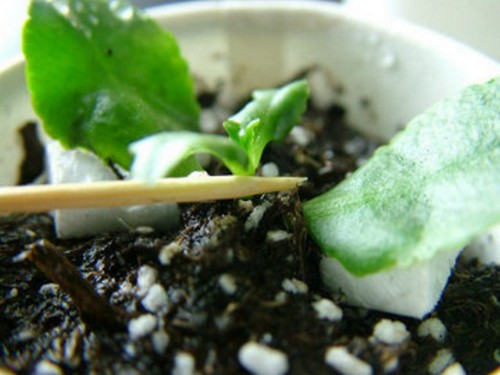
How to propagate Kalanchoe blossfeldiana by cuttings? Master these techniques for a high survival rate
For home propagation, Kalanchoe blossfeldiana is mainly grown from cuttings. Rooting speed varies with the season and temperature; whether you take tip cuttings, stem cuttings, or leaf cuttings, the survival rate varies depending on which part is used. Kalanchoe blossfeldiana can be propagated by cuttings all year round. Cuttings take best at an air temperature of 20-25°C with humid air. They root easily and survive well.
-
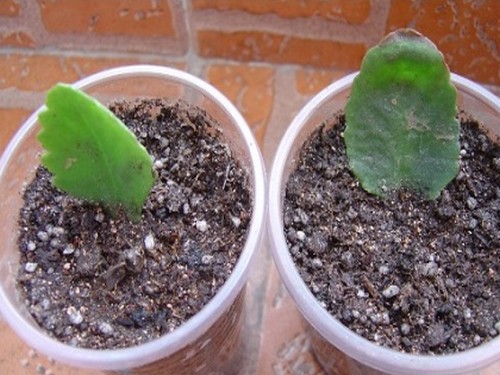
How to propagate Kalanchoe blossfeldiana by cuttings? Home potted methods and precautions
After the renovation was finished, I kept a Kalanchoe blossfeldiana at home. Not bad - Kalanchoe blossfeldiana, namely dwarf kalanchoe, is a perennial succulent herb with opposite leaves that are plump, tender and juicy and break easily; it has terminal cymes, with flowers in colors such as orange-red, yellow and red. The Kalanchoe blossfeldiana plant is short and compact, with a long flowering period, abundant blooms and high ornamental value
条件筛选