-

Potato production mechanization technology trial and demonstration event successfully held in Zhijiang City
On the morning of December 30, 2015, a Hongzhu-brand potato planter ran briskly across a field in Group 2 of Shaqiping Village, Gujiadian Town, and in no time a patch of farmland was dressed in silver. It turned out that this was the potato mechanical sowing being carried out by the Gufeng Agricultural Professional Cooperative of Gujiadian Town
-
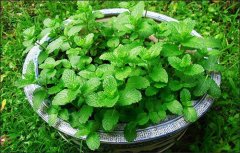
How do you grow mint so it thrives in a full pot, grows vigorously and doesn't get yellow leaves?
Mint is an ornamental plant and also a medicinal plant, so what aspects should be paid attention to when growing mint? How do you grow it so it fills the pot? Let's take a look. Planting seedlings: For potted plants we need to pay attention to drainage, so we should spread some
-
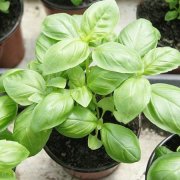
What is cinnamon basil? Master the sowing time and growing methods to easily get a full pot
What is cinnamon basil? Cinnamon basil is also known as Mexican basil and is native to tropical and subtropical climates around the world. Cinnamon basil plants thrive when temperatures are in the 80s and 90s (27-32°C or higher). This basil plant displays dark green leaves and cinnamon-colored
-
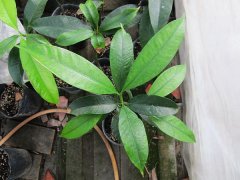
What happens when mangosteen is planted in full sun? Differences between common mangosteen and Mesta mangosteen leaves
Mangosteen varieties: there are currently no officially certified varieties. It is said that only a few variant varieties are known, for example in the Sulu Islands (Sulu Islands) the fruit is larger, the rind is thicker than normal, and the flesh flavor is more sour. How do you grow mangosteen? Climate and soil
-
Is the hibiscus the national flower of South Korea? Tips for growing it successfully in pots
The hibiscus, also known as the plum hibiscus, malaria flower, palm tree flower, morning glory, flower that opens in the morning and falls at dusk, white hibiscus and desert rose, comes in many colors and large blooms, and is a flower commonly used in horticultural varieties, with high ornamental value. The hibiscus represents tenacity and eternal beauty, and has
-
African Impatiens: Fast Full-Pot Growth Care Tips and Propagation Methods
African impatiens, as the name suggests, is a plant that grows in Africa. African impatiens has bright, vivid colors, is very eye-catching, and has particularly high ornamental value. Many people are especially eager to know how African impatiens grows. This growth process is long, and how should we
-
Marguerite daisy cutting propagation methods and tips for a full blooming pot
Marguerite daisy - many people may find the name quite unfamiliar. In fact, the marguerite daisy is a type of chrysanthemum, and its flowers are very similar to most chrysanthemums, but the marguerite daisy is more special because its name was taken by a princess using her own name, representing one of
-
How to grow the succulent Pachyveria 'Clavifolia' so it bursts into a full pot, and does it need fertilizing?
I now have a habit: the first thing I do when I get home from work every day is check on my succulents. I look when I am happy, and I look when I am unhappy too. As long as I see those fleshy plants, my worries are swept away. Many people who grow succulents should be familiar with Pachyveria 'Clavifolia' - it is
-
How to Grow and Care for the Rat Tail Cactus: Grow It This Way for Fast, Full Pots
A furry rat tail cactus filling its pot is a truly delightful sight, but if you want your rat tail cactus to fill the pot, it takes not only the accumulation of time, but also the right growing methods and techniques, which are key factors. You should know that going with the flow is the fastest way. ⟦4 <p>A furry rat tail cactus filling its pot is a truly delightful sight, but if you want your rat tail cactus to fill the pot, it takes not only the accumulation of time, but also the right growing methods and techniques, which are key factors. You should know that going with the flow is the fastest way.</p><p></p><p><strong>Rat Tail Cactus Growing Methods and Precautions</strong></p><p>1. Soil</p><p>The rat tail cactus (Aporocactus flagelliformis) likes fertile soil that drains well and is airy; it can be mixed from leaf mold, sand and the like.</p><p>2. Temperature and Light</p><p>The rat tail cactus likes a warm growing environment and can tolerate shade. The overwintering temperature must be above 10°C, and it should be moved indoors in time and placed in a spot indoors with plenty of sunlight; the indoor temperature must not be lower than 10°C, and it can be moved outside only after Qingming Festival. In summer, keep it ventilated and place it outdoors to grow. Pay attention to shading and cooling.</p><p></p><p>3. Watering</p><p>Avoid rain exposure, otherwise it will cause root rot. In summer, maintain a certain humidity; never let it stay dry for a long time, as this is not good for the growth of the rat tail cactus. In winter, keep it relatively dry and control watering, following the principle of not watering until dry, and watering thoroughly when you do. The soil should not be too wet. After flower buds appear, reduce the amount of watering to avoid the buds dropping. During the growing season, spray water frequently to keep it moist and increase the indoor air humidity.</p><p>Fertilizing the rat tail cactus: the rat tail cactus should be given liquid fertilizer once every two weeks, mainly organic fertilizer; no fertilizing is needed in winter and summer.</p><p>4. Pest and Disease Prevention</p><p>The rat tail cactus is prone to damage by red spider mites; the affected parts are usually yellow-brown, and dimethoate can be sprayed for prevention.</p><p>5. Repotting</p><p>The rat tail cactus should be repotted twice a year, after flowering; if the roots fill the whole pot, move it to a pot one size larger. Soil for the rat tail cactus: the rat tail cactus likes fertile soil that drains well and is airy; it can be mixed from leaf mold, sand and the like.</p><p></p><p><strong>How to Grow the Rat Tail Cactus for Fast, Full Pots</strong></p><p>The rat tail cactus is a succulent in the cactus family; it has long stems like rat tails, and its red flowers bloom on these rat tails, which is very unusual. The rat tail cactus likes a warm, humid environment with plenty of sunlight. During the summer growing season, ensure sufficient water, and it will easily grow into a cascading waterfall.</p><p></p><p><strong>Pests and Diseases of the Rat Tail Cactus and Their Control</strong></p><p>1. Common Diseases</p><p>The most common disease of the rat tail cactus is spot disease. When spot disease appears on the rat tail cactus, it mainly shows on its stems, where diseased spots appear and gradually expand; in severe cases it will rot and wither, threatening the entire plant.</p><p>Control method: Generally, when spot disease appears on the rat tail cactus, measures must be taken promptly for control. Spraying with chemicals is a commonly used method. Spraying with zineb is sufficient; preferably use a 600-fold dilution of 65% zineb wettable powder.</p><p>2. Common Pests</p><p>The most common pest of the rat tail cactus is the red spider mite. The damage from red spider mites is also relatively serious, so red spider mites must be controlled promptly.</p><p>Control method: When growing the rat tail cactus, observe the plant's growth condition frequently so that pests and diseases can be found in time. It is best to spray some dimethoate emulsifiable concentrate frequently for prevention. When pests are found, kill them promptly so as not to affect the plant's growth.</p><p></p><p><strong>Tips for Getting the Rat Tail Cactus to Bloom</strong></p><p>1. Pruning</p><p>Each time winter is about to end, prune it by cutting off overly dense and short stems to ensure the density in each pot does not become too great.</p><p>2. Fertilizing When spring arrives and the weather turns warm, fertilize it to ensure sufficient nutrients. Also remember to place it in a spot with plenty of sunlight for growing, as this makes it easier to bloom.</p><p></p><p>Cactus blooming and filling the pot are both things people look forward to very much. When growing the rat tail cactus, besides mastering the techniques for filling the pot, seeing the rat tail cactus bloom is also very fulfilling, so doing the blooming tips in this article at the appropriate time will let us reap unexpected surprises!</p>
-
Mountain Rose Succulent: Tips for Growing a Full Pot and Propagation Methods
Mountain rose (Greenovia) is a type of succulent. Its growth resembles that of a cabbage, with leaves wrapping layer upon layer upward, and once it fully opens up it looks like blooming roses, most commonly green in color. Many people, when growing mountain roses,
条件筛选