-

How to Control Anthracnose in Bok Choy? Leaf White Spot Symptom Identification and Fungicide Methods
Bok choy anthracnose is most prevalent from June to September, causing white spots on leaves and brown spots on petioles. This article covers the key points of symptom identification, agricultural control, seed dressing and coating, and fungicide spray formulas for the early stage of the disease, spraying 2-3 times consecutively at 7-10 day intervals.
-
How to prevent and control pests and diseases on desert rose? Ventilation and dryness are the key to prevention
The desert rose does not suffer from many pests and diseases, but when they strike the damage is severe. This article introduces the symptoms and pesticide treatment methods for scale insects, leaf-rolling caterpillars, soft rot and leaf spot, and teaches you to prevent them scientifically with a ventilated, dry environment and sensible watering and fertilising, so you can grow healthy, flowering plants.
-
How to care for the oil-spotted lily? Planting methods and precautions
A detailed introduction to the planting methods and care techniques for the oil-spotted lily, including how to grow it, soil preparation, light and watering, propagation methods, fertilizing and pruning, pest and disease control, and other practical content.
-
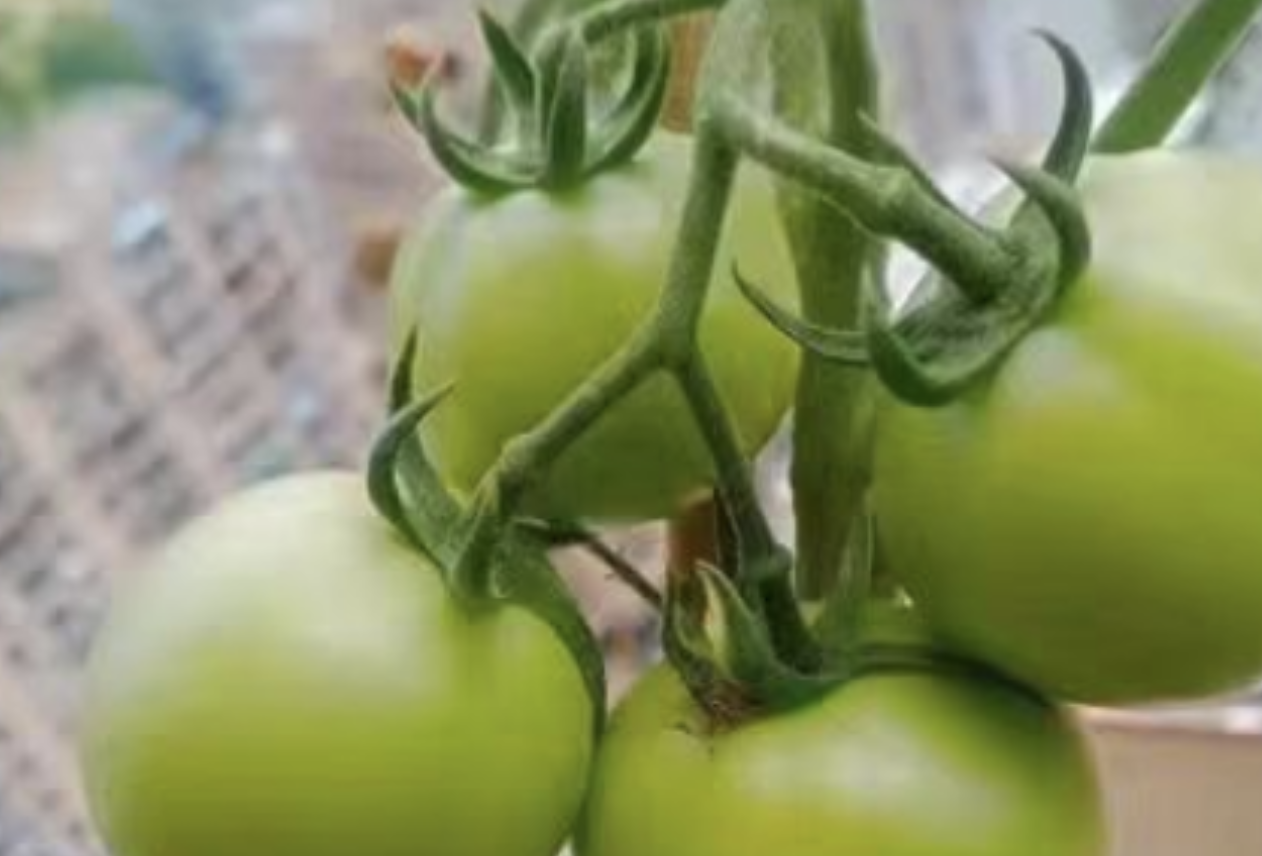
What causes brown spots on tomato fruit?
Tomato growers may encounter a situation where brown spots suddenly appear on otherwise healthy fruit, which can be quite alarming. What’s going on? In fact,
-
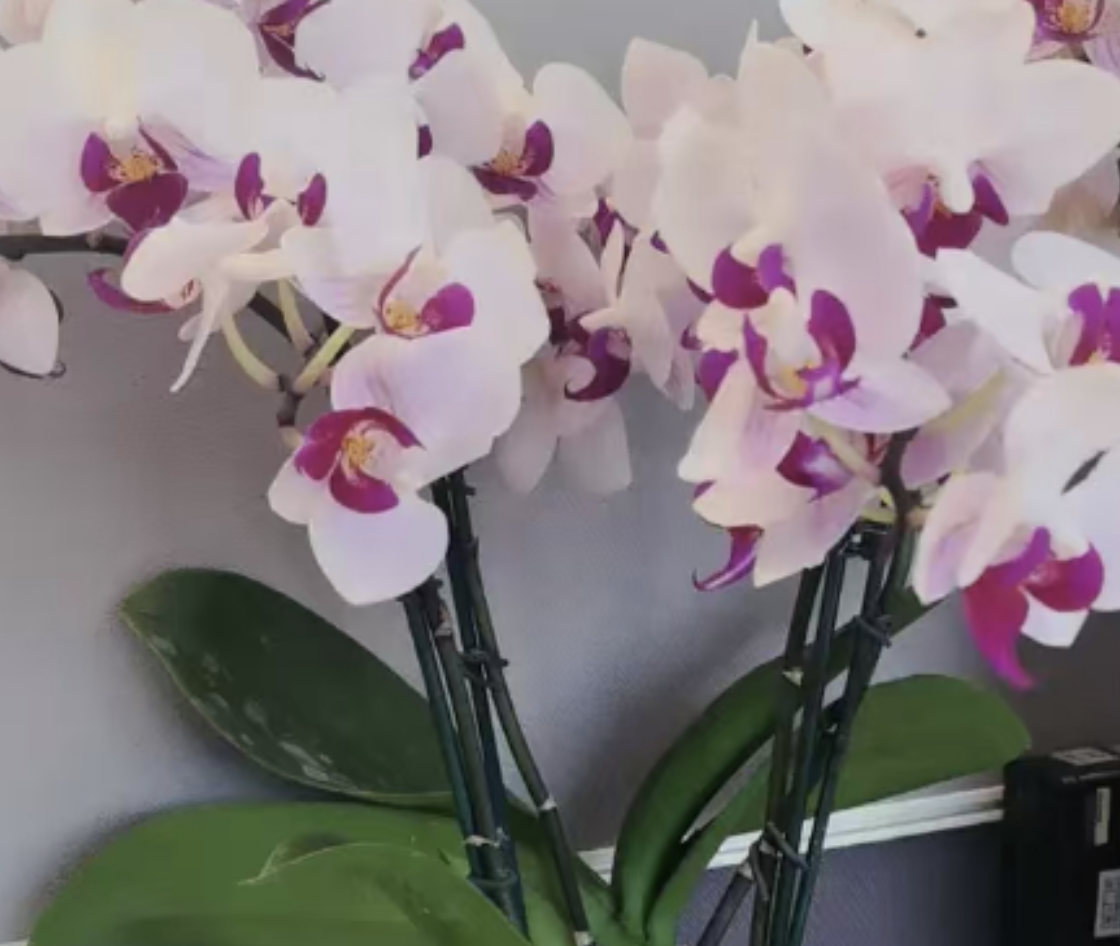
What are the reasons for spots on butterfly orchid leaves?
Suddenly, there are strange spots appearing on the leaves of the butterfly orchid. The once shiny leaves now have irregular patches—some yellow, some brown.
-

How to grow Phalaenopsis (moth orchids) at home, care tips and precautions, and which spot in a room is best?
Among the many flowering plants, Phalaenopsis stands out mainly because of their graceful blooms; once open, the flowers look as lively as dancing butterflies, and can move anyone who sees them. However, on the journey of growing Phalaenopsis, many people also run into various situations of waterlogging and root rot, so how should daily care handle this?
-
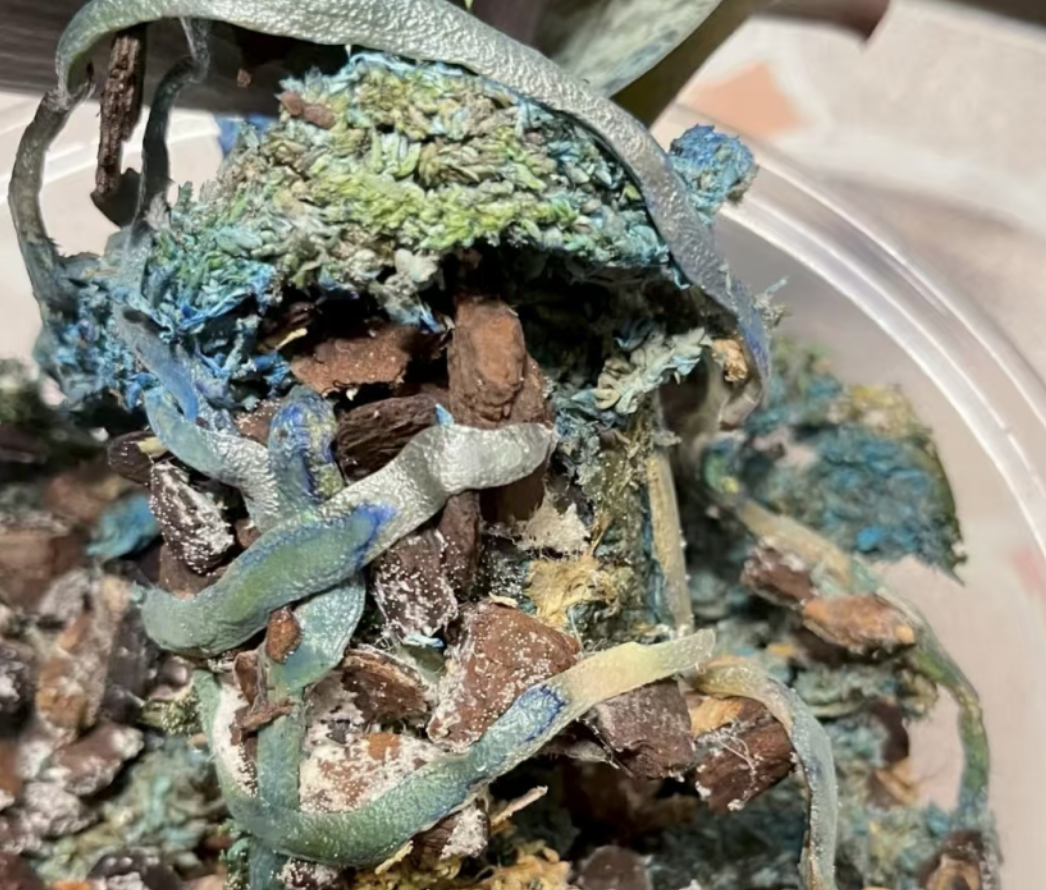
Why do Phalaenopsis orchid roots develop black spots? And what does it mean if brown patches appear—what disease could it be?
The Phalaenopsis orchid, with its unforgettable blooms, can instantly elevate the look of any home or shop. However, caring for such a beautiful flower is not
-

4 kinds of flowers that fear scorching sun the most, they only thrive when kept in a shady spot
It has been getting hotter and hotter lately, and the sun is getting more and more vicious. Many flower-growing friends are complaining: "Why does my flower wilt after being in the sun?" Actually, not all flowers are "sunflowers" - some flowers are naturally afraid of sun, and once exposed they get yellow leaves and scorched tips, which really breaks your heart! Clivia: This flower looks majestic, but it is actually very delicate. Many people think
-

Causes of Black Spots and Brown Patches on Phalaenopsis Roots and Related Diseases
After a Phalaenopsis (moth orchid) blooms, it is truly "unforgettable," so placing it casually anywhere in a home or shop instantly elevates the space. However, no matter how beautiful the flower, caring for it is never smooth sailing, and root rot is the most common problem! Once it starts developing yellow leaves, buds that refuse to open,
-

What plants and flowers are suitable for growing in shady, cool spots?
Perhaps for beginners, growing flowers and plants must mean placing them in the light to be considered proper, but in fact, some plants actually prefer to be placed in a corner under the shade of a tree; if given plenty of light, they instead wilt. Who are they? Let's take a look. Hydrangea. Hydrangea, also known as eight immortals flower, purple yang flower, and powder ball flower, its blooms open like clustered flowers, and overall it looks very complete and full. And when summer comes, hydrangeas need timely shading, otherwise their leaves will soar to 45°C within ten minutes, thereby damaging the permeability of their own cell membranes; if exposed to continuous blazing sun for 3 hours, it can cause the entire plant's yellow leaves to fall off.
条件筛选