-

How to care for the latest gold fruit? Detailed care methods
The gold fruit has a peculiar fruit shape, with an ornamental fruiting period of up to half a year and bright fruit color, making it a precious ornamental fruiting plant. It prefers a warm, humid and sunny environment, with an optimum growth temperature of 15-25°C, has a certain cold tolerance, and is afraid of waterlogging and drought. It can withstand low temperatures of 3-4°C. It is suitable for fertile
-
A Detailed Guide to the Latest Planting Methods for Hangjiao Peppers
The Hangjiao pepper fruit is goat-horn-shaped, about 13 cm long, about 1.4 cm in transverse diameter, with an average single fruit weight of 10 grams. The green mature fruit is light green, the fruit is mildly spicy, and the fully ripe fruit is red. The fruit surface is slightly wrinkled, and the fruit tip tapers and curves slightly. It is both an excellent seasoning for delicious dishes and a warming food that disperses cold, and can be
-
What causes curved peppers? An analysis of the latest reasons
The normal shape of peppers is generally straight, but in cultivation and production it is often found that besides straight ones, there are also many curved ones, sometimes even ones curved into a loop, and there are also peppers curved to the point of being twisted. So why is this? Why do they grow abnormally?
-
What to Do If Strawberries Don't Bear Fruit? A Detailed Guide to the Latest Solutions
Strawberry fruits are large, the flesh is juicy, and its nutritional value is high, rich in many kinds of nutrients. It is known as the queen of fruits and is a fruit people love. The market demand for strawberries is still relatively huge, and the economic benefits are high, but many growers will encounter the situation of strawberries not bearing fruit when growing straw
-
How to increase the fruiting rate of loquat? Reduce humidity, cultivate fruiting mother branches, shape and prune, and apply additional fertilizer reasonably
Loquat is a fruit with high nutritional value. It is not only delicious and good in texture, but its leaves can also be combined with other medicines to make drugs. Therefore, loquat is welcomed by the market and people. In order to meet the needs of people and the market, the planting area of loquat is also becoming ⟦4 <p>Loquat is a fruit with high nutritional value. It is not only delicious and good in texture, but its leaves can also be combined with other medicines to make drugs. Therefore, loquat is welcomed by the market and people. In order to meet the needs of people and the market, the planting area of loquat is also becoming wider and wider. So how should the fruiting rate of loquat trees be increased? Next, I will share some methods for increasing the fruiting rate of loquat trees.</p><p></p><p><strong>Reduce humidity</strong></p><p>During the flower bud differentiation stage, loquat greatly needs a dry environment with high temperature and sufficient light. The flower branch bud differentiation stage of loquat occurs in summer, and there is more rain in summer, so drainage work must be done well at this time. In order to prevent water accumulation, drainage ditches must be made in low-lying areas with many pits. If the humidity in some orchards is too high, then when the leaves turn green, dig open the base of the loquat tree, expose the roots, and then cut about 80 percent of the branch roots into sections, thereby controlling nutrient dispersion, speeding up the greening of the leaves, and increasing the fruiting rate of loquat.</p><p></p><p><strong>Cultivate fruiting mother branches</strong></p><p>Because the fruiting branches of young loquat trees are all formed from summer shoots, the time, quantity, and growth capacity of summer branch bud sprouting are closely related to the fruiting rate of loquat. Therefore, a healthy and strong mother branch is the key to the number of fruits set, so in spring, after the new branches mature, fertilize in time to promote the sprouting of summer branch buds. During the fertilization stage, attention must also be paid to the amount, avoiding improper fertilization affecting the growth of loquat. Fertilization should be based on the growth stage of loquat, and the fertilizer is generally mainly phosphorus and potassium fertilizer.</p><p></p><p><strong>Shaping and pruning</strong></p><p>The pruning period of loquat is different from that of other fruit trees. Loquat is an evergreen fruit tree, so it cannot be pruned in winter like other fruit trees. Loquat pruning should be carried out in summer, immediately after the fruit is harvested. Because the summer branch bud sprouting is the most important one for loquat, it cannot be too late, otherwise it will affect the growth of flower buds. Autumn pruning of loquat is only an auxiliary pruning, carried out before the flower buds open in autumn. Fruit tree pruning can reduce the occurrence of pests and increase the nutritional development of the fruit tree, thereby improving the fruiting rate of loquat.</p><p></p><p><strong>Apply additional fertilizer reasonably</strong></p><p>Loquat needs sufficient nutrients, so during the fertilization process, the demand for phosphorus and potassium is relatively high. Therefore, the proportion of phosphorus and potassium fertilizer can be increased in fertilization, and the use of nitrogen fertilizer can be reduced. Because excessive use of nitrogen fertilizer will cause loquat to grow too fast and have excessive nutrients, seriously affecting the production volume of loquat. Therefore, use fertilizer reasonably, increase the proportion of phosphorus and potassium fertilizer, and improve the fruiting rate of the fruit tree.</p>
-
-
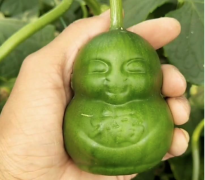
What Does a Cucumber Look Like, and How Do You Grow Ginseng-Fruit-Shaped Cucumbers?
We are all familiar with the cucumber as a fruit, and cucumber growing techniques are relatively simple. The fruit is oily green or emerald green, with soft small spines on its surface. The fruit shape is oblong, round or cylindrical. But have you ever seen a "ginseng fruit" cucumber? 201
-
Winter Red Fruit bonsai pictures to enjoy, the exquisite shapes are worth a look
Chinese name: Winter Red Fruit Family and genus: Rosaceae, Malus genus Place of origin and distribution: horticultural species The Winter Red Fruit bonsai is one of the more popular fruit bonsais. This article collects and organizes several Winter Red Fruit bonsai pictures for flower lovers to enjoy, including both ripe Winter Red Fruit and unripe Winter Red Fruit. Winter Red Fruit flowers bloom in spring, and the flower color is light pink
-
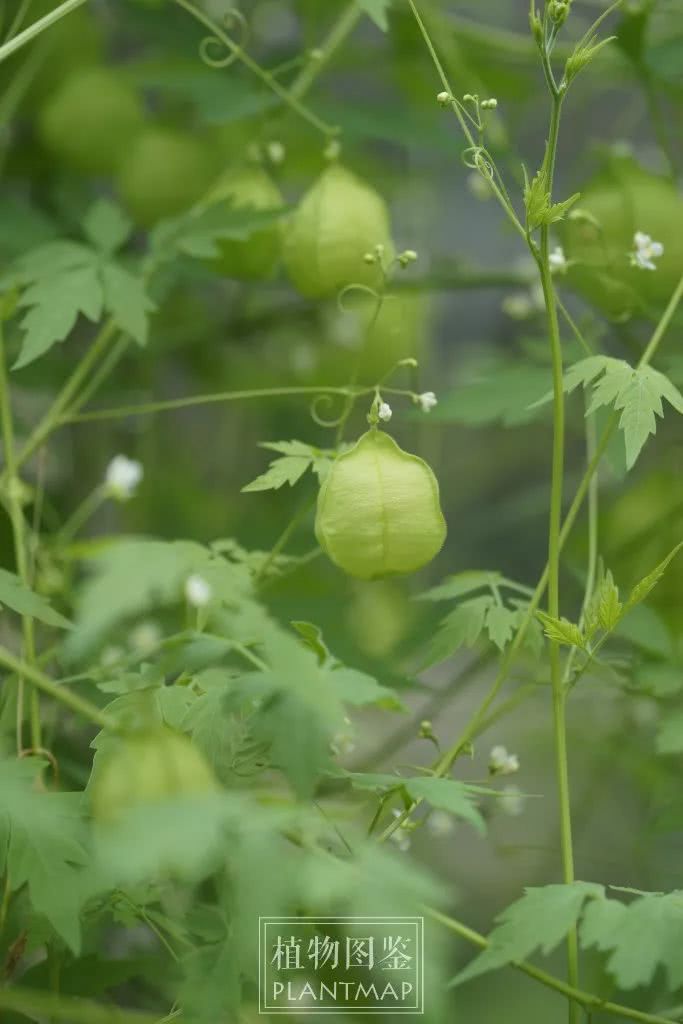
A plant whose fruits look like balloons, whose seeds wear heart-shaped caps, and whose flowers and leaves are equally unusual
Last time we talked about how the sepals of the cut-leaf mallow regather at the fruiting stage, turning into a "lantern" with purplish-black stripes. Not long ago I also came across the balloon vine, whose fruits look just like lanterns too. [Balloon vine Cardiospermum halicaca...
-
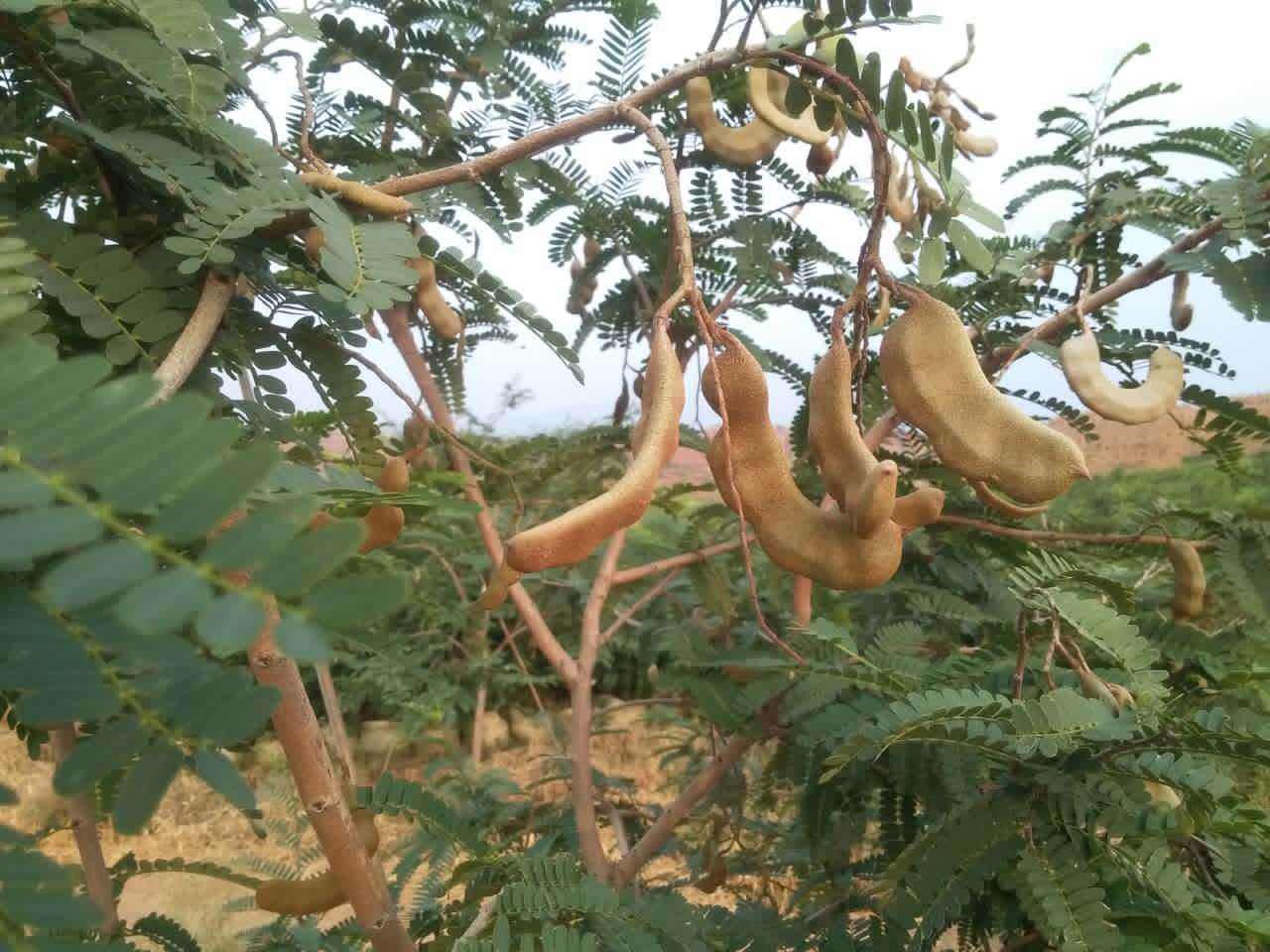
African fruit tree bears fruit shaped like giant pods, yet farmers sell it as a fruit
People say the countryside is a treasure trove, not only the city's granary but also home to all kinds of rare and exotic plants and animals, such as the ginseng fruit tree whose fruit resembles a human shape, the Buddhist sacred tree the bodhi tree, and the dragon's blood tree that stops bleeding and dissolves blood stasis; every kind of tree has its own uses and...
条件筛选