Star Fruit Pictures: A Closer Look at Star Fruit Shapes and Variety Characteristics
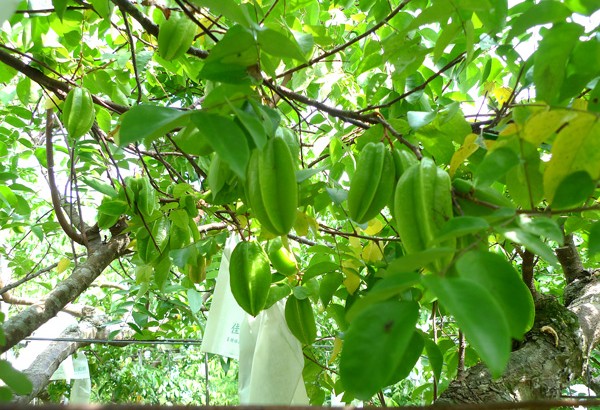
Star fruit is the fruit of an evergreen tree in the wood sorrel family, also known as wu lian zi or yang tao. Its most distinctive feature is the five longitudinal ridges on the surface of the fruit, which form a regular five-pointed star shape when cut crosswise, making it highly recognizable in pictures. Ripe star fruit has thin, smooth skin with a natural waxy sheen, and its color gradually shifts from green to yellow-green or golden yellow.
In pictures, the shape of star fruit varies slightly among different varieties. Sweet star fruit has thick, plump ridges and a full-bodied shape, so its cut cross-section looks like a rounded star; sour star fruit is relatively slender and elongated, with more pronounced angular ridges. Varieties commonly grown in Taiwan, China, such as soft-branch star fruit, use golden yellow skin with slightly scorched edges as a sign of ripeness, and these details are very useful reference points when comparing pictures to select fruit.
Star fruit pictures can also help you learn to judge fruit quality. Generally speaking, fruit with evenly golden skin, slightly browned and scorched ridge edges, and a glossy surface is at a better stage of ripeness; if the skin is dull, noticeably wrinkled, or has many spots, it may have been stored too long or grown poorly. However, shooting angle and lighting can cause color differences, so when actually selecting fruit, it is best to also consider feel and aroma for a comprehensive judgment.
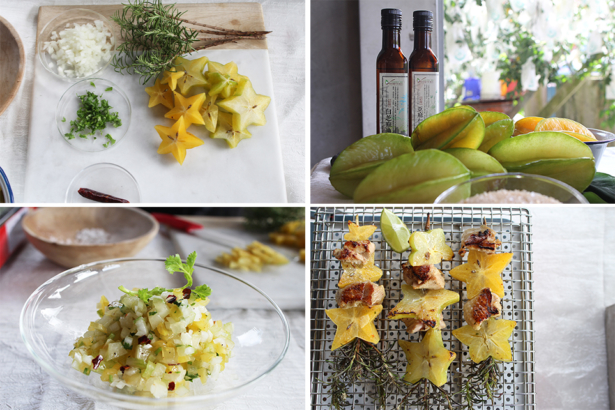
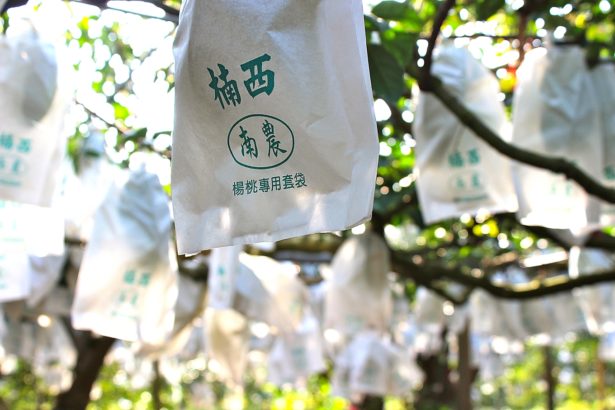
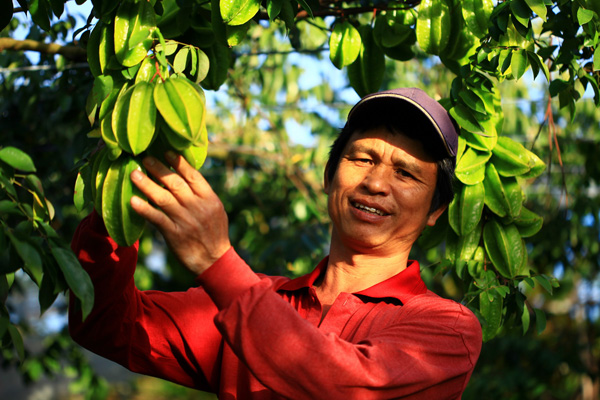
Star fruit pictures are widely used in agriculture and daily life, for variety identification, cultivation records, harvest teaching, and sales displays, and the star shape made by cross-sectioning often appears in food plating and creative recipes. It should be noted that star fruit contains oxalic acid and other components, so people with poor kidney function should not eat it, and a distinction should be made between viewing pictures and actually eating the fruit.
Related Reading