African fruit tree bears fruit shaped like giant pods, yet farmers sell it as a fruit
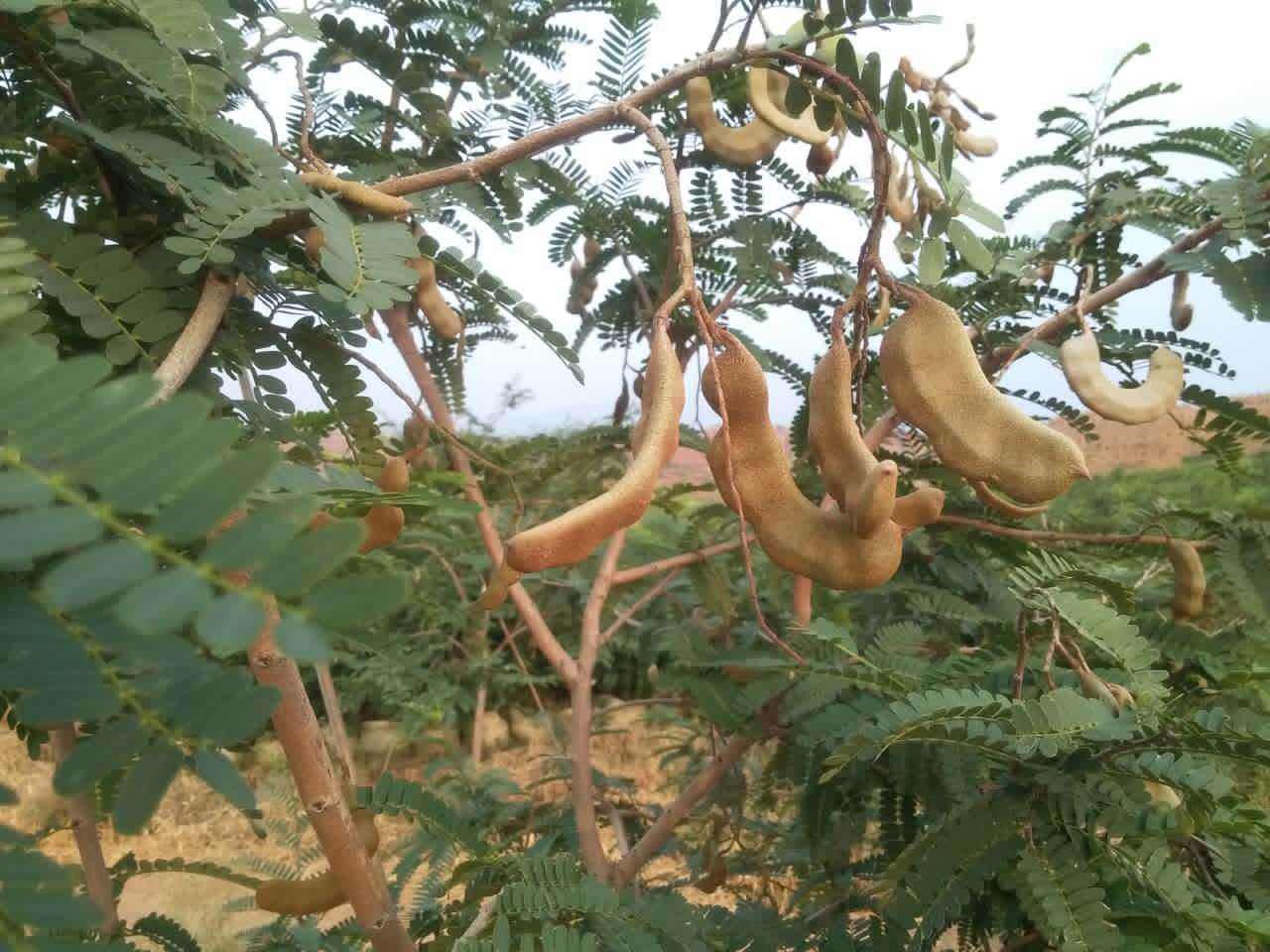
People say the countryside is a treasure trove, not only the city's granary but also home to all kinds of rare and exotic plants and animals, such as the ginseng fruit tree whose fruit resembles a human shape, the Buddhist sacred tree the bodhi tree, and the dragon's blood tree that stops bleeding and dissolves blood stasis; every kind of tree has its own uses and characteristics.
There are especially many trees in the countryside, and you can see greenery almost everywhere you go. In the countryside of the past, the uses of trees were nothing more than building houses and putting up sheds, or serving as firewood for cooking, so farmers overlooked many precious tree species that could make money.
Most rural areas have an unwritten rule, which is that century-old trees must not be cut down. In our village there are many old trees, the most common being the evergreen and the "tamarind tree," and the tamarind tree can live to two hundred years, which is extremely rare in rural areas where trees are barely managed. Besides its long lifespan, the tamarind tree's fruit is also a major feature of the countryside.
The tamarind tree's scientific name is Tamarindus indica, and locally we also call it the longevity tree. It generally reaches the third year when it can bloom and bear fruit, and by the fifth year it can be as tall as an ordinary building. In spring, besides especially loving to pick up fish and shrimp when the rain floods the fields, village children also love most to climb the tamarind tree and pick tamarinds.
Ripe tamarinds are yellowish-brown and look especially like oversized dried pods, hanging on the tree like strings of yellow grapes. Mischievous children eat one right after picking it, and when the adults in the family come home from work and see a pile of tamarind shells under the tree, a scolding is unavoidable - those are rural treasures that can be sold for money!
Tamarind has a thick outer shell and cannot be eaten directly; the flesh clings tightly to the shell, and it can only be eaten after removing the fibrous strands. It tastes sweet and sour, and is most loved by four- and five-year-old children. We also peel and wash the tamarind, mash it into juice in a small clay pot, strain it, pour it into a bottle and refrigerate it. Whenever we have indigestion or no appetite, we drink a sip of homemade tamarind juice - it really whets the appetite!
Tamarind's calcium content is especially high, comparable to eggs. When tamarinds ripen, the first ones picked are given to the growing children and the elderly with inconvenient legs in the family. The old people in the village all say that eating fruit from this longevity tree will surely bring longevity!
Yunnan is a major producing area for tamarind, where the tamarinds are larger and juicier. Some high-end restaurants in the city often buy tamarinds from farmers, drizzling some tamarind juice over cold rice cakes, cold noodles and various dishes. Not only does it taste uniquely flavorful, but it also increases the number of customers!
Because tamarind has high yield and a broad market, more and more people in the countryside have been planting tamarind in recent years. Tamarind is not only a fruit with a unique taste, but also a health product that whets the appetite and nourishes the body, and even a pretty good tool for getting rich!
Friends, have you ever eaten this sweet-and-sour fruit?