-
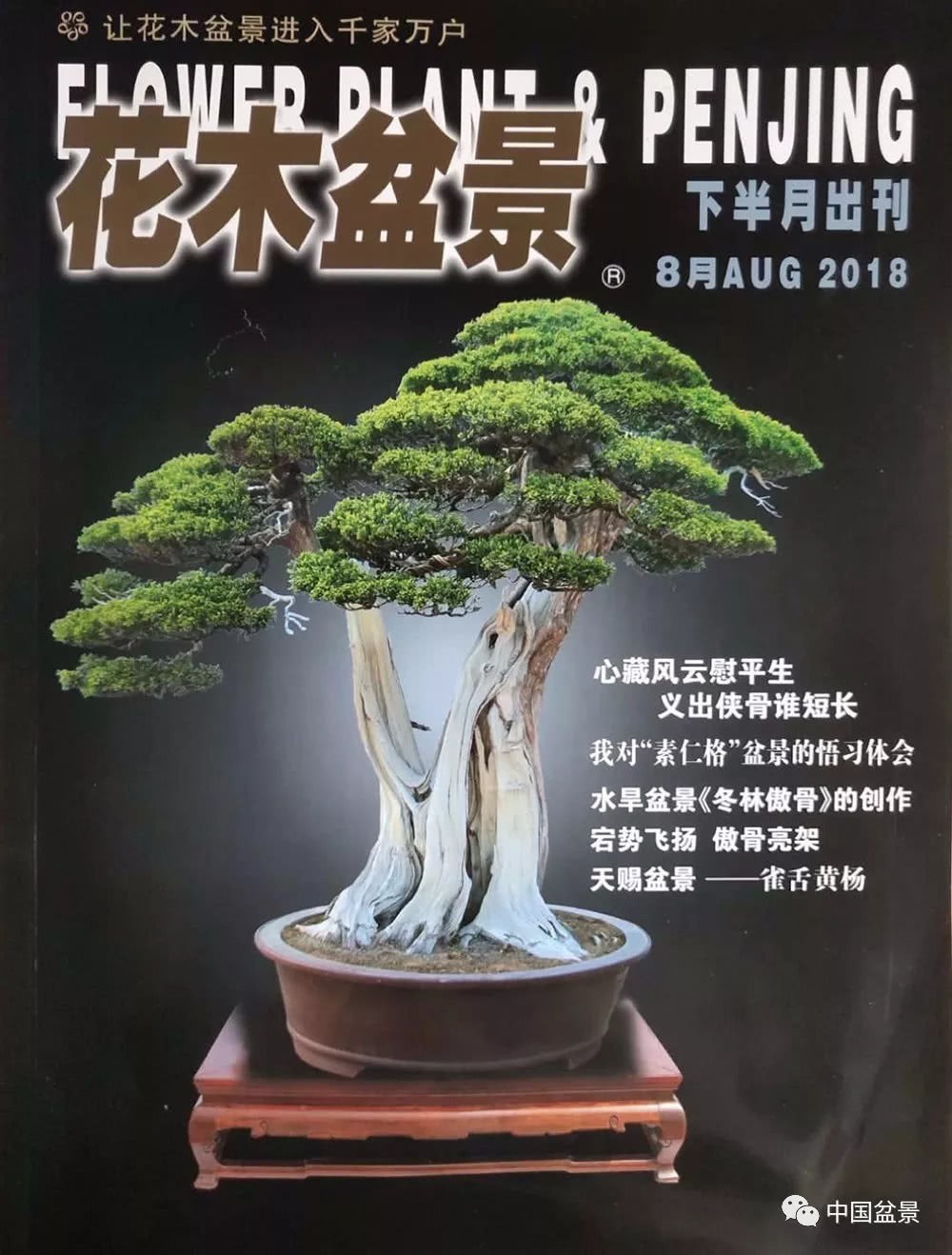
Soaring Momentum and Proud Bones with a Striking Framework: An Exploration of the Unique Formative Aesthetic of Jing-Chu Pine Bonsai
High Mountains and Flowing Water Yuefu Instrumental 00:00/03:31 ...
-

How to propagate Schefflera (umbrella tree) by cuttings in small arched-frame pot culture in northern China?
Schefflera is a very popular ornamental plant, especially the potted series, and many friends love to buy a pot to keep at home. Today we will talk about the cutting propagation technique for potted Schefflera in small arched frames in winter in northern China.
-
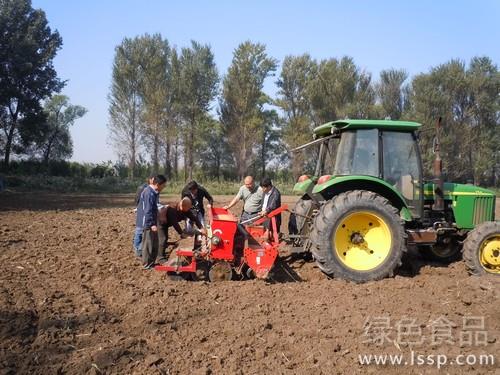
Wheat autumn sowing: control pests and diseases, improve sowing quality, build a good framework for high yield
Control pests and diseases, improve autumn sowing quality, build a good framework for high wheat yield
-
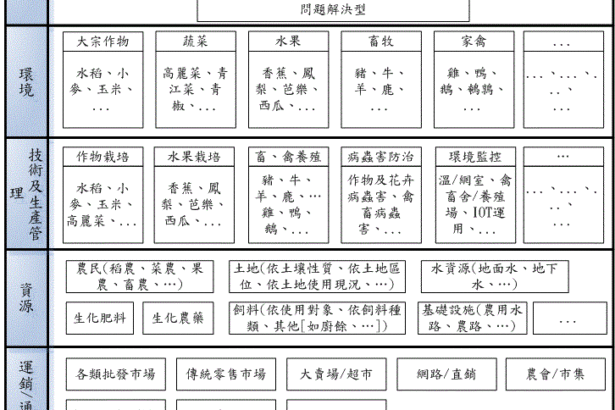
How to establish a goal-oriented systematic review framework for agricultural development and transformation
Establishing a goal-oriented systematic review framework for agricultural development and transformation
-

Key management points for cold-frame peaches in the Beijing-Tianjin region around the Spring Festival
1. Frame-covering period. Because cold-frame peaches have no cold-protection facilities and rely solely on sunlight for warming and the frame film for insulation, the day-night temperature difference is large. The frame-covering period should preferably be around February 20, so that the flowering period is March 25-31 and the peach ripening period is early June, 10-15 days earlier than open-field peaches. For heated cold-frame peach sheds, install 1 heater per 350-450 sq m at the center of the cold frame, burning wood or coal; the gas is discharged outside the frame through the chimney in the middle of the stove, and the air is preheated through the stove's interlayer and then
-
What are the advantages of cultivating Gastrodia elata in indoor bed frames and troughs?
① Cultivating Gastrodia elata on indoor bed frames makes temperature and humidity easy to control, and it is not affected by heavy rain, drought, extreme heat, and so on. Indoors, there is good shading, and if water is lacking, it can be sprayed or watered, allowing for high and stable yields. ② The growth period of Gastrodia elata lasts as long as 300 days, with a high multiplication rate and a large weight-gain multiple. ③ It can effectively use the space area and can also save part of the wood (compared with box cultivation). Especially when iron frames are used for cultivation, the bed frames can be used for a long time. ④ It facilitates the prevention and control of pests and diseases, is easy to manage, and occupies less cultivated land.
-
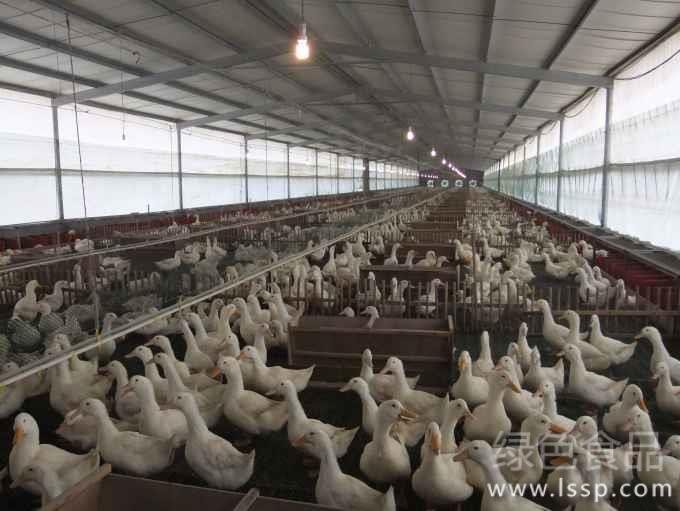
Raising Ducks on Greenhouse Frames: Fewer Diseases, Higher Profits, and a Detailed Guide to the Farming Method
Raising Ducks on Frames in Greenhouses: Fewer Diseases, Higher Profits - How to Raise Ducks on Greenhouse Frames
-
How to cultivate Gastrodia elata in indoor bed frames and troughs
① Bed frame setup: Basically the same as the bed frames used for cultivating mushrooms, generally the frame is 1.2 m wide, 2.5-3 m high, and 5.5 m long. The lowest layer can be cultivated on the ground, using the pit-style double-layer Gastrodia cultivation method. The spacing between each layer of the bed frame is 60 cm, and 5-6 layers can be planted. Either iron frames or wooden poles can be used to build the frame, as long as they are sturdy and durable. The bottom of each layer of the bed frame can use wooden boards, board scraps (preferably not pine or fir boards; if broadleaf tree boards really cannot be found, pine or fir boards can also be used as a substitute), wide slats, etc. If there are no wooden boards, bamboo
-
Detailed Explanation of the Key Technical Points for Bed-Frame Cultivation of Straw Mushroom
1 Cultivation Time The time for bed-frame cultivation of straw mushroom should be chosen in seasons when the daily average temperature reaches above 25°C. This is because the growth and development of straw mushroom require the room temperature of the mushroom house to be kept above 27°C, and sharp rises or drops in temperature must be strictly avoided to prevent the young mushroom buds from shriveling and dying. According to several years of trials, the sowing period in this county can generally be arranged from early May to early September (if the room temperature is slightly low in May, a gasoline drum can be used for heating). 2 Structure and Requirements of the Mushroom House Ordinary slate-roofed mushroom houses or general tile-roofed mushroom houses require internal sealing with plastic film or
-
Detailed Explanation of High-Yield Indoor Bed Frame Cultivation Techniques for Straw Mushrooms
1. Basic Conditions for the Growth and Development of Straw Mushrooms 1.1 Nutrition The cultivation material must contain components such as carbon, nitrogen, minerals and vitamins. Therefore, rice straw, wheat straw, hemp stalks, waste cotton, cottonseed hulls, and sugarcane bagasse, which are rich in cellulose, are all raw materials for producing straw mushrooms. Nitrogen-containing compounds are important elements for straw mushrooms to synthesize cell protein. Straw mushrooms can only utilize low-molecular-weight amino acids. Organic nitrogen substances such as wheat bran, rice bran and peptone can serve as nitrogen sources. Straw mushroom cultivation generally does not require the addition of ammonium nitrogen, nitrate nitrogen or urea. In addition to carbon and nitrogen, various minerals such as potassium, magnesium, calcium and phosphorus are also necessary. Generally, cellulosic raw materials already contain sufficient amounts, so no supplementation is needed. When preparing the cultivation material, attention should be paid to the carbon-to-nitrogen ratio of the material. Practice has shown that a carbon-to-nitrogen ratio of 60:1 is most suitable for straw mushroom growth.
条件筛选