-

The Benefits and Effects of Eupatorium Fortunei (Jiguxiang Peilan), Its Cultivation Techniques, and Dietary Taboos
Peilan belongs to the genus Eupatorium and is also known as Jiguxiang, Shuixiang, and Douliangxiang. Peilan is mainly found in the wild and also grows along the edges of streams and rivers, and is rarely seen in cities. In China, Peilan is mostly cultivated in Shandong, Guangdong, Guangxi, and other places. The medicinal value of Peilan is very
-
Chinese Plum Yew (Cephalotaxus fortunei) Price, Benefits and Effects, and How It Differs from Yew
Chinese plum yew (Cephalotaxus fortunei), a traditional Chinese medicine name, also known as Tibetan yew, is the seed, root, or branches and leaves of the plant Cephalotaxus fortunei of the family Cephalotaxaceae. The bark is harvested throughout the year, dried in the sun and used raw; the seeds are picked in autumn; the roots, branches and leaves can be collected in all four seasons, and are used raw or stir-fried until cooked. So how much is Chinese plum yew? What
-
Is the world's smallest bamboo, Pleioblastus fortunei, a tree? Value and cultivation
Pleioblastus fortunei, one of the smallest bamboos in the world, has little value for timber or bamboo shoots, but it has high ornamental value and forage value. So, is the world's smallest bamboo, Pleioblastus fortunei, a tree? What are its main values? How is it cultivated? 1
-
Analysis of the Harvest Season and Suitable Growing Regions of the Chinese Herbaceous Plant Eupatorium fortunei
Eupatorium fortunei is a whole-plant Chinese herb, also known as jiguxiang and shuixiang. It can often be seen in rural areas and has the effects of relieving fever and clearing summer heat, resolving dampness and strengthening the stomach, and stopping vomiting. So when is the harvest season for Eupatorium fortunei? In which regions can it be grown? Eupatorium fortunei in our
-
The Latest High-Yield Cultivation Techniques and Methods Tutorial for Eupatorium fortunei
Eupatorium fortunei, also known as jiguxiang and shuixiang, is a plant in the Asteraceae family and has a relatively long cultivation history in China. The whole plant of Eupatorium fortunei can be used as medicine, with various effects such as clearing heat and detoxifying, and resolving dampness and stopping vomiting. It has a wide distribution range in China, and its planting area
-
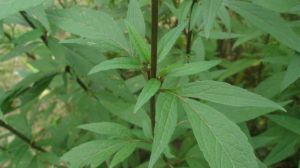
What are the main effects and functions of Eupatorium fortunei?
Treating influenza: Eupatorium fortunei contains volatile oil, which has an inhibitory effect on some viruses and can treat influenza. Antibacterial and sterilizing: the volatile oil it contains can fight bacteria, and bathing with it can prevent skin diseases. Removing bad breath: it has a fragrance and can remove bad breath. Appetizing and calming the nerves: it has the function of regulating the spleen and stomach. Refreshing and awakening the mind: its fragrance is rich and it can refresh the mind and awaken the brain.
-
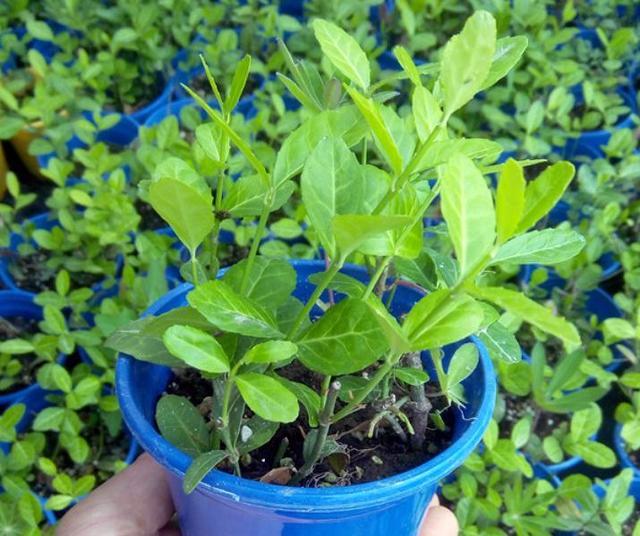
Hardwood Cutting Techniques for Euonymus fortunei and Factors Affecting Rooting and Survival Rates
Factors Affecting Rooting and Survival Rates of Euonymus fortunei Hardwood Cuttings and Cutting Techniques 1 Morphological Characteristics Euonymus fortunei, also known as climbing euonymus, is a type of ground cover plant belonging to the genus Euonymus in the family Celastraceae. It is an evergreen or deciduous vine, with many small fine roots often present on the stems and branches, and the branchlets are...
-
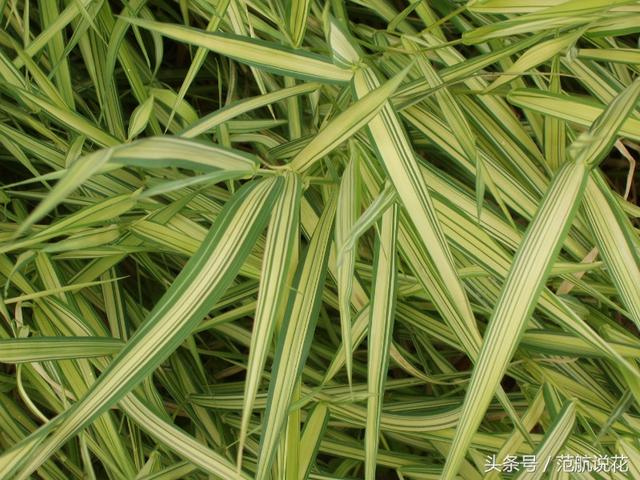
Pleioblastus fortunei: the smallest bamboo variety, it looks great whether planted in pots or in the courtyard
Pleioblastus fortunei - the smallest bamboo variety, it looks quite charming whether planted in pots or in the courtyard!
-
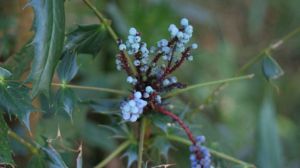
A Detailed Guide to the Cultivation Methods of Mahonia fortunei 'Anping'
Soil: a loose, well-drained, fertile substrate, with base fertilizer applied. Water: keep the soil moist but not waterlogged. Light: it is shade-tolerant, so provide shade promptly during high temperatures. Temperature: the summer temperature must not be too high, and in winter grow it indoors in a spot with ample sunlight. Fertilizing: fertilize once every 20 days during the growing season, preferably with diluted decomposed cake fertilizer water; hoe weeds 3-5 times a year.
-
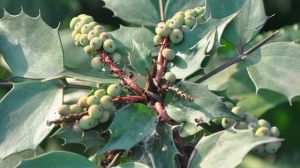
What is the difference between Mahonia bealei and Mahonia fortunei
Leaves: The former has narrowly obovate to oblong leaves, grayish-green on the upper surface, with a white bloom on the underside, sometimes pale yellow-green or glaucous. The latter has obovate to obovate-lanceolate leaves, dark green to deep green above, pale yellow beneath, rarely glaucous. Fruit: The former is ovoid and deep blue. The latter is spherical and purple-black.
条件筛选