-

Five key measures for cotton seedling stage management
Cotton takes about one month from emergence to squaring, which is a single vegetative growth stage and an important growth period for promoting deep root penetration, preventing seedling diseases, promoting early development, and thereby achieving early squaring. Field management of plastic-film cotton mainly includes: timely releasing seedlings, intertillage and loosening soil, checking and replanting seedlings, disease and pest control, thinning and final thinning, etc. Cotton farmers everywhere have a lot of experience in cotton seedling stage management, which is worth promoting, and is summarized as follows: release seedlings early, seal holes late. When 50% of cotton seedlings have emerged and the cotyledons have flattened and turned green, the seedlings can be released in batches. Release seedlings
-
Five key points to remember when spraying foliar fertilizer on cotton
Cotton leaves are the most important nutritional organs of the cotton plant, possessing four functions: photosynthesis, respiration, transpiration and absorption. By making use of their absorption and photosynthesis, targeted foliar spraying of fertilizer can promote steady plant growth, strengthen resistance to disease, pests, drought and premature aging, regulate vegetative and reproductive growth, and greatly increase yield and quality. 1. Spray type: scientifically choose the foliar fertilizer according to the cotton's growth vigor; for excessively vigorous cotton seedlings, spray a 0.3%-0.4% potassium dihydrogen phosphate solution or a 2% borax solution
-
Five key steps to focus on in autumn mushroom production
In autumn mushroom production, especially in the early autumn stage, there are many limiting factors, and compared with winter production, the success rate is often lower. In fact, this is also the main reason why fresh mushrooms are expensive in autumn. Therefore, mushroom growers are especially reminded: in this year's mushroom production, especially at large-scale production bases, operations should be stricter, precautions should be taken, and management should be scientific to ensure smooth production. In actual production, the following "five passes" should be mainly monitored. Substrate ratio and nutrition pass
-
How to fertilize rhododendrons? Five key points to note
Rhododendron roots are delicate, so fertilizer must be fully composted before use. Generally, fertilizer that has been composted for more than one year and fully fermented is most suitable. When fertilizing, pay attention to the following five key points: Feed according to the seedling. Seedlings cannot be fertilized; after 4 months, a well-composted, extremely dilute liquid manure may be applied. After the plants are set out and transplanted separately in the following spring, more nitrogen and potassium fertilizer should be applied to speed up vegetative growth. At 2 to 3 years, during the mature stage, more phosphorus fertilizer should be added to achieve a high flowering rate and large, brightly colored flowers. In the old stage, more nitrogen fertilizer may be applied to promote renewal of branches and leaves and rejuvenate the tree
-
Five key points for autumn fingerling management, farmers need to pay attention
Autumn water temperatures are suitable, making it the peak season for fish growth. Fingerling management should focus on the following 5 tasks. 1. Pond clearing. Transfer the fingerlings to a pond that has been cleared and disinfected for rearing. Where water sources and pond rotation are difficult, all fingerlings can be transferred out temporarily for holding, then the original pond disinfected with quicklime at 75-100 kg per 667 sq m of water surface, and the water fertilized by conventional methods. Wait until the drug effect has dissipated before transferring the fingerlings back. 2. Grading. Since larger fingerlings have a big appetite and strong ability to compete for food, if large and small fingerlings are mixed, the small fish will
-
Orchid Watering Methods: Handling Five Key Relationships Well
1. Watering and orchid species. Because each orchid species has different growth habits, its water requirements also vary. Cymbidium ensifolium likes moisture, but waterlogging in the growing medium must be avoided. Cymbidium sinense prefers dry over wet; too much moisture easily causes root rot and plant collapse. Cymbidium kanran has a well-developed root system and strong drought tolerance, so the potting soil should be kept on the dry side. Suxin orchids and leaf-variegated orchids require seven parts dry and three parts wet; too much moisture easily causes degeneration. 2. Watering and orchid pots. Clay pots have a rough texture and strong air permeability, and moisture evaporates easily, so water frequently, water generously, and water thoroughly. Plastic pots have low density and poor air permeability, and moisture is consumed slowly; in summer,
-
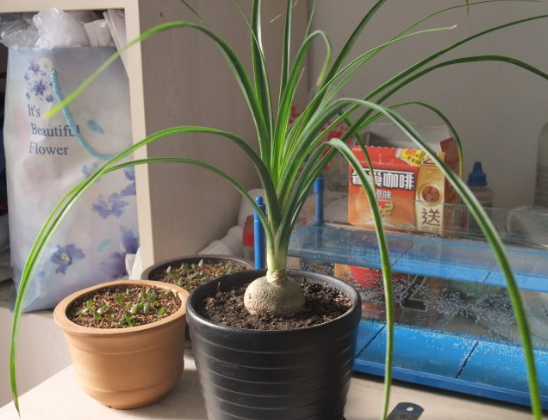
How to grow a ponytail palm? Five key cultivation methods and precautions to master
I. How to grow a ponytail palm 1. Soil Ponytail palm cultivation has high requirements for soil. It is best to choose sandy soil and humus soil with good drainage. Use one part coal cinder mixed with three parts garden soil, plus a small amount of chicken manure as base fertilizer. This basically completes the first step.
-
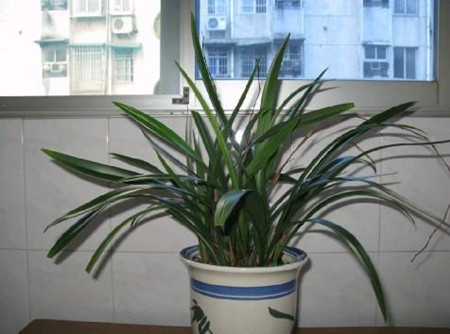
Five key points to master for orchid care in winter
How to strengthen orchid care in winter is the key to whether the orchids can grow vigorously and bloom in the coming year. To care for and manage orchids well in winter, management measures must be taken according to the variety characteristics of the orchids. - First, bring them indoors for warmth
-
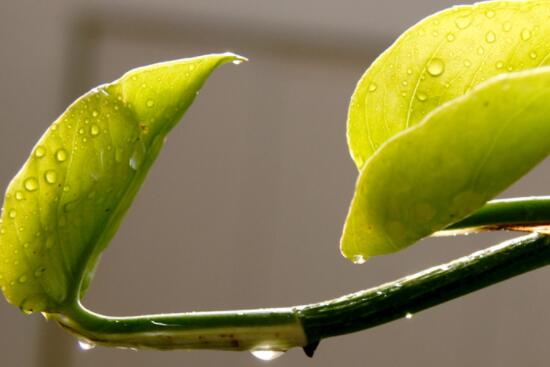
What to Do When Golden Pothos Leaves Turn Yellow: Five Causes and Solutions / Improper Watering and Fertilizing Are the Key
Golden Pothos, I believe everyone is familiar with it. It is also called pothos, and it is a beautifully shaped foliage plant that is highly ornamental when kept at home. In daily life, many people grow Golden Pothos, but as they care for it, quite a few will run into the symptom of yellowing leaves. So what should you do when Golden Pothos leaves turn yellow? For this, the editor has summarized 5 causes.
-
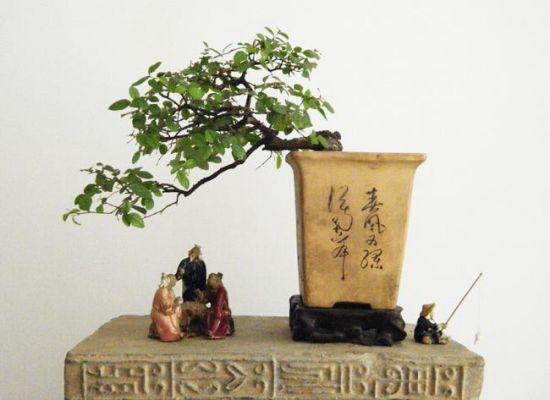
How to grow Sageretia thea (Chinese sweet plum)? Master these five key care tips
Water: There is a bit of finesse to the water used for Sageretia thea care. Natural water such as river water, pond water and rainwater is best. If using tap water, it should be stored for one or two days so the chlorine can evaporate. Water left over from washing clothes, and water containing grease or salt, must never be used. Fertilizing: Sageretia thea should be fertilized in moderation; too much fertilizer makes the branches and leaves grow excessively.
条件筛选