-
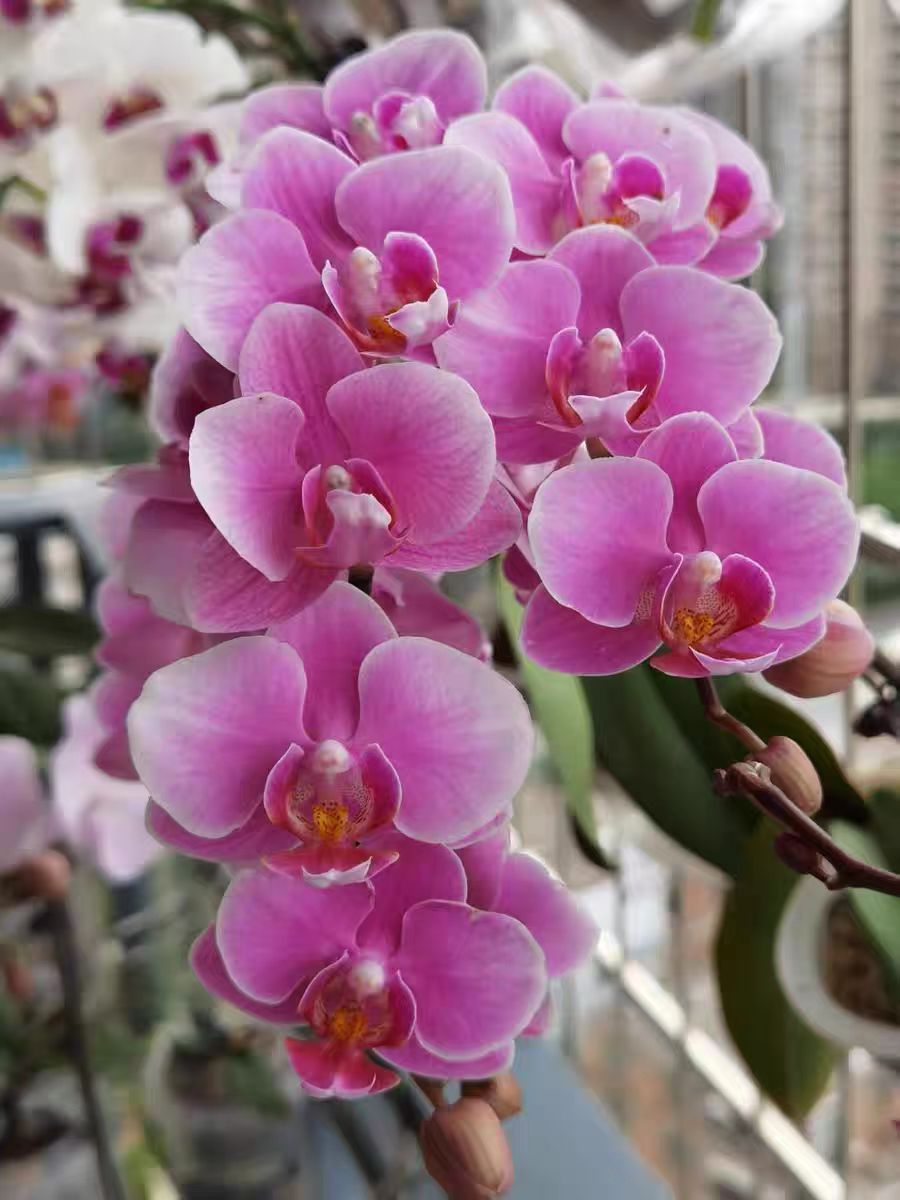
What are the symptoms of fertilizer damage in Phalaenopsis?
During the cultivation of Phalaenopsis, fertilization is a crucial step in promoting its growth and flowering. However, if the operation is improper and the
-

Analysis of the Causes of Fertilizer Damage in Cotton and Prevention and Control Methods
Cotton is an important economic crop in China, with a long history of cultivation and a very wide planting area, but during cultivation, improper management can lead to fertilizer damage, causing large areas of cotton to wilt and, in severe cases, dry up and die. So how should cotton fertilizer damage be prevented
-
What are the control measures for fertilizer damage and high-temperature damage in greenhouse vegetables
In the technical aspects of vegetable greenhouse planting, fertilizer damage and high-temperature damage are important factors affecting vegetable yield, quality and profitability. The following are essential control methods. 1. How to prevent and control fertilizer damage. 1. Apply fertilizer deeply. Chemical fertilizers should be applied deeply or dissolved in water for irrigation.
-
The impact of fertilizer damage on cotton production cannot be ignored
In recent years, while promoting new cotton varieties and providing technical services in cotton-growing areas, we have frequently encountered problems caused by farmers' mistakes in fertilizer application. First, when preparing soil for cotton nutritional-pot seedling raising, some applied too much farmyard manure or chemical fertilizer to the pot soil, so that after sowing, some cotton seeds rotted or the seedlings died; in some cases, although emergence was fairly uniform, root burn and seedling death followed. Second, after the cotton seedlings emerged in the seedbed, excessive application of water-soluble flush fertilizer scalded and scorched both cotyledons of the cotton seedlings. Third, when applying base fertilizer before transplanting cotton pot seedlings, some broadcast chemical fertilizer into the plow furrow, or applied chemical fertilizer into the pot holes, without separating the pot seedlings' root system from the applied fertilizer with fine soil; after transplanting, the cotton seedling roots came into direct contact with the chemical fertilizer, and the young roots and young stems turned brown or black after fertilizer damage. In mild cases, the cotton seedlings became stunted and did not grow; in severe cases, the young seedlings withered and died. Fourth, during the bud stage, excessive single application of nitrogen fertilizers such as urea or ammonium bicarbonate, or excessive input of high-efficiency multi-element compound fertilizer, with no regard for cost and a blind pursuit of building a high-yielding cotton framework early, resulted in excessive vegetative growth, premature row closure, severe shading in the cotton field, and serious outbreaks of pests such as mirids, causing massive shedding of buds and bolls. This phenomenon was especially common in rainy years. Fifth, during the flowering and boll stage, some rushed to broadcast urea before heavy rain arrived. Urea dissolved very quickly upon contact with rain, and the fertilizer concentration in the cotton field suddenly increased. After the rain, the weather suddenly cleared, cotton leaf transpiration was high, and water in the cotton plant rapidly underwent reverse osmosis and severe water loss, so that the lower stems and leaves of the cotton plant appeared scorched; in severe cases, the entire cotton plant withered and died and could no longer be saved.
-
Differences Between Herbicide Damage and Fertilizer Damage in Azaleas and How to Tell Them Apart
When azaleas suffer herbicide damage and fertilizer damage, they share some characteristics but also differ in their manifestations. What they have in common is that both are physiological injuries, causing leaves to wither and drop within a short time, but the patches do not slowly expand, nor do pathogens appear on them. The differences between herbicide damage and fertilizer damage are as follows: when azaleas suffer herbicide damage, they show sensitivity to a certain pesticide or a certain class of pesticides. For example, after a pesticide is sprayed on the leaves, within a few days the parts of the leaves touched by the spray solution turn yellow, wither and drop, seriously affecting the plant's growth, but it will not
-
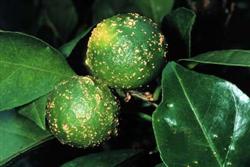
Identification of Fertilizer Damage Symptoms in Citrus Orchards and Detailed Prevention Measures
From early May to the end of June is the critical period for citrus from flower drop to fruit stabilization. In citrus production, this period is usually called the young fruit stage. During this time, citrus will go through two important physiological fruit drop stages: the first physiological fruit drop and the second physiological fruit drop. The quality of cultivation and management during this period often directly affects the yield and fruit appearance of that year...
-
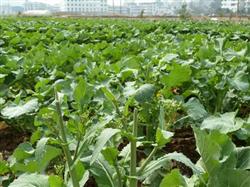
How to prevent fertilizer damage in rapeseed? Introduction to practical methods
1. Reform fertilization methods based on the principles of being practical, useful, and effective. Advocate the application of compost fermented with effective microorganisms and decomposed organic fertilizer, using layered application or full-layer deep application. According to the planned cropping sequence and total fertilization amount for the year, it can be applied all at once during deep plowing. Adopt formula fertilization technology, and properly manage the ratios of nitrogen, phosphorus, and potassium as well as trace...
-
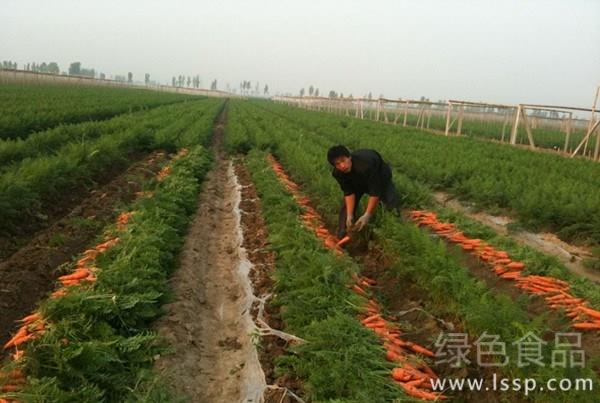
Improper fertilization of carrots can easily cause fertilizer damage; how can fertilization increase yield?
Improper fertilization of carrots can easily cause fertilizer damage; how can fertilization increase carrot yield?
-

-
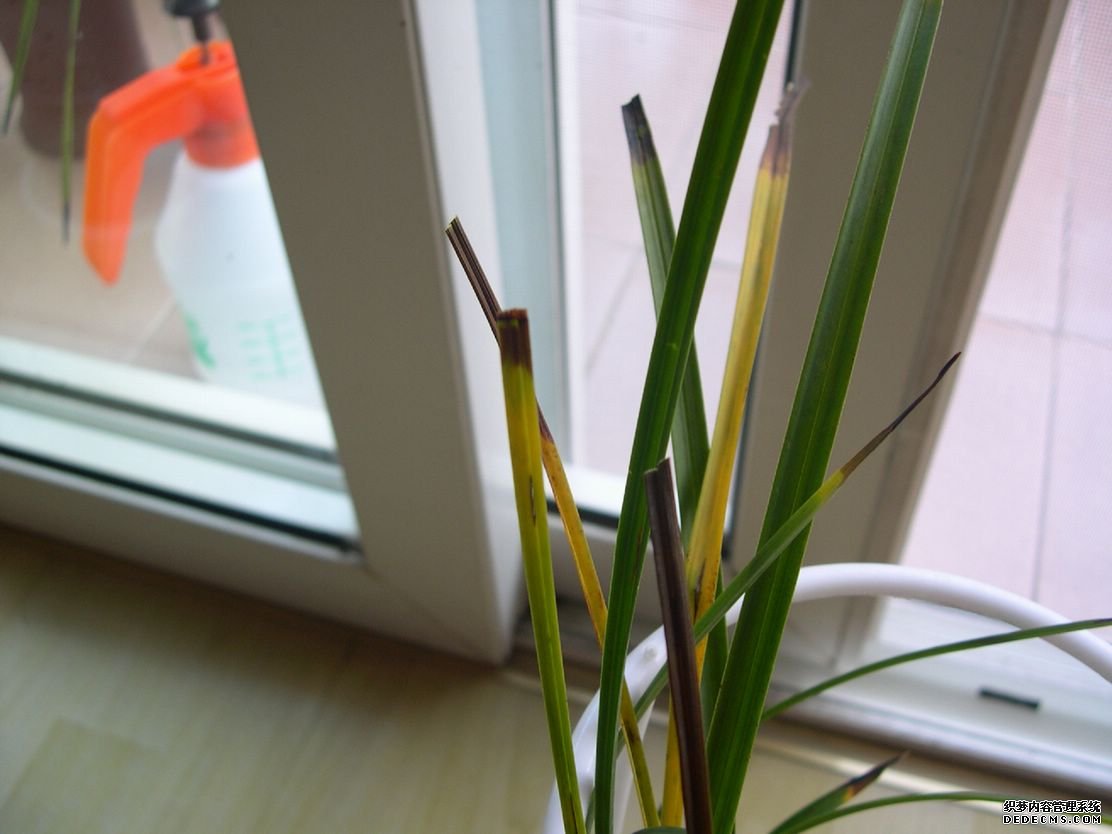
How Beginners Can Distinguish Water Damage, Fertilizer Burn, Pesticide Damage, and Drought Damage from Leaf Symptoms
A beginner's brief discussion on how to distinguish water damage, fertilizer burn, pesticide damage, and drought damage from the leaves...
条件筛选