-
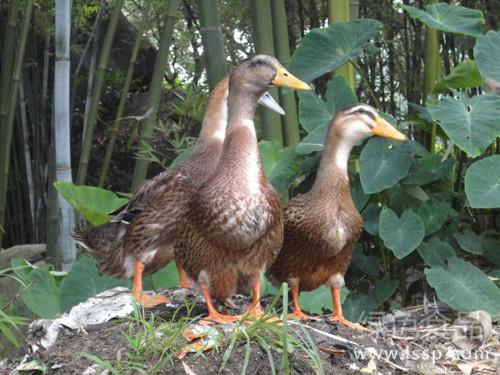
Prevention and Treatment Methods for Sparse Feathers and Skin Damage Caused by Feather Pecking in Meat Ducks
Prevention and Treatment Methods for Feather Pecking in Meat Ducks with Sparse Feathers and Damaged Skin at the Pecked Sites
-
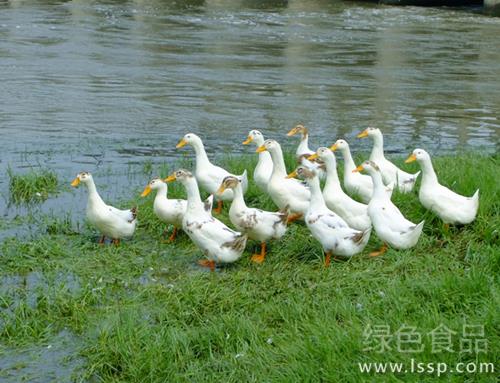
Prevention and Control Measures for Feather Pecking and Cannibalism in Duck Flocks: Water Supply, Feed Supply, Deworming, and Disease Prevention
Measures for Preventing and Controlling Feather Pecking and Cannibalism in Duck Flocks through Water Supply, Feed Supply, Deworming, and Disease Prevention
-

Detailed Explanation of White-Feathered Broiler Breeding Methods and Technical Key Points
Breeding Methods for White-Feathered Broilers
-

What causes feather loss in breeding chickens? Detailed prevention measures
Causes of feather loss in breeding chickens and prevention measures
-

What causes feather pecking in meat ducks? Cause analysis and prevention measures
Causes of feather pecking in meat ducks and prevention measures
-

-

-

What causes feather pecking in pigeons? Detailed explanation of prevention and control methods
Causes of feather pecking in pigeons and prevention and control methods
-
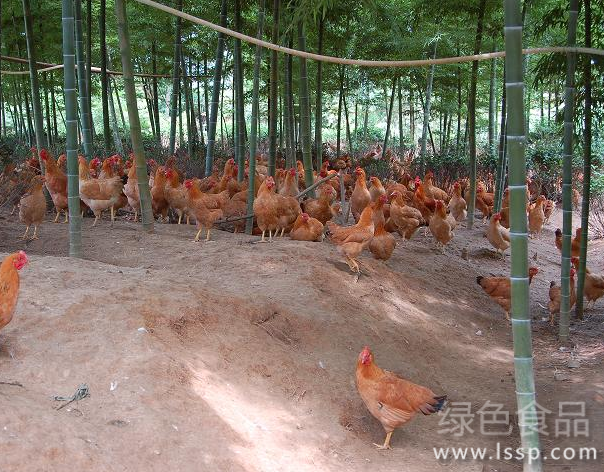
Layer hens' feather-pecking vice affects feed intake and egg production; how should it be prevented and controlled?
Feather-pecking vice affects layer hens' feed intake and egg production; how to prevent and control feather-pecking vice in layer hens
-

What are the methods for collecting goose down and feathers, and what points should be noted?
1. Plucking from the carcass means collecting all the goose down and feathers at once after slaughter, and it is further divided into three collection methods: hot-water scalding, steam plucking and dry plucking. The hot-water scalding method is also called the soaking-and-scalding method or the scalding-and-defeathering method. After the goose is slaughtered, collect the goose blood and drain it as completely as possible to ensure the quality of the goose carcass and internal organs, so that the carcass has no residual blood, the body surface is clean and attractive, and the meat quality is good. It is best to pull out the large quills on both wings (tip quills, blade quills, nest quills) before scalding and store and sell them separately. Otherwise, once mixed into the feathers, they not only affect down quality but are also treated as waste and wasted. After slaughter, use
条件筛选