Prevention and Treatment Methods for Sparse Feathers and Skin Damage Caused by Feather Pecking in Meat Ducks
Once feather pecking occurs in a duck flock, the pecking ducks should be picked out and raised separately, and corresponding measures should be taken according to the various causes.
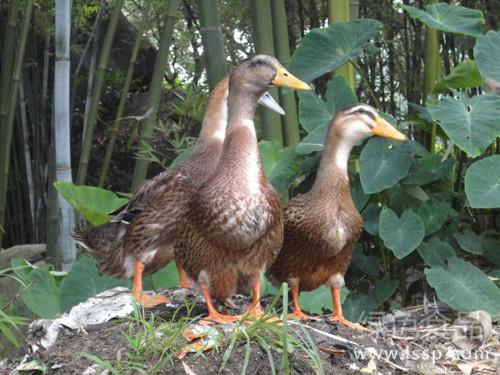
Duck
1. Scientific feeding and management. The house temperature must meet the needs of ducks of different ages, the relative humidity should be 60—70%, ventilation should be good, the light should not be too strong, cleanliness and hygiene should be maintained, and the floor should be dry. When a person walks into the duck house, it is sufficient that they do not feel stuffy and that it does not irritate the nose and eyes. At the same time, feed regularly and in fixed amounts, and regularly add sodium selenite and vitamin E to the feed or water.
2. Scientifically and rationally formulate the feed. Feed ingredients should be diverse, and the formula should be scientific and reasonable, feeding high-quality, complete-price diets according to the ducks' age. For feather pecking in ducks caused by insufficient protein and calcium and phosphorus, 5% soybean cake or 3% fish meal, and 2—4% bone meal or shell powder can be added to the diet; for that caused by lack of salt, 1—2% table salt can be added to the diet and fed continuously for 2—3 days; for that caused by lack of sulfur, zinc sulfate or calcium sulfate (gypsum) can be added to the diet, 1—4 grams per duck per day, and appropriately adding green feed or additionally feeding Feather Pecking Remedy, feather meal, etc., can all prevent feather pecking。
3. Correct and timely beak trimming. For newly hatched ducklings at 8—10 days of age, trim the beak, using a beak trimmer to cauterize the tip of the duck's beak, which can completely avoid feather pecking.
4. Appropriate exercise and reduced light intensity. Duck houses generally use 25-watt bulbs for lighting, and it is sufficient for the ducks to be able to see to eat and drink. Use red light or orange-yellow light for young ducks, and red or white light for adult ducks, which can keep the ducks calm and reduce feather pecking.
5. Drug prevention and treatment. Add feather meal or Feather Pecking Remedy and mix into the feed at 5% for feeding, continuously for 5—7 days, or additionally feed gypsum powder, 1—4 grams per duck. Once a duck with pecking injuries is found, it should be picked out promptly and raised in isolation; wash the wound with potassium permanganate solution or apply gentian violet or erythromycin ointment, and after it scabs over and heals, return it to the flock.