-

What to Do About False Growth in Rose Cuttings? A Few Remedies to Teach You
Roses root and survive from cuttings very easily, but beginners still run into the phenomenon of false growth during the cutting process. How to tell whether a rose cutting has truly taken root or is only showing false growth is often a rather headache-inducing problem. False growth looks like the cutting has survived, but in fact it is not survival in the true sense. So
-
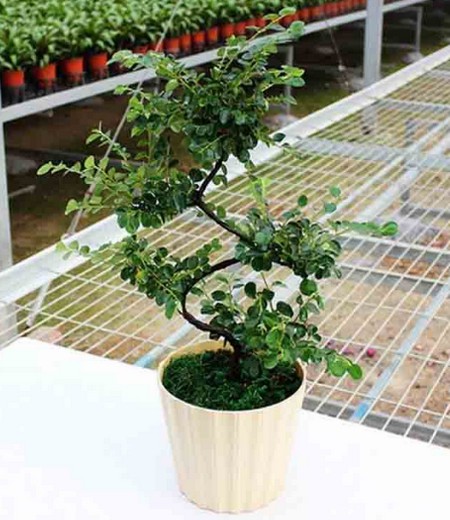
What are the cultivation methods for potted Sorbaria sorbifolia (false spiraea)?
Sorbaria sorbifolia gets its name because its flower buds form glossy white granular shapes, looking like little pearls scattered among the foliage. The flowers are elegantly shaped, pure white, with a light fragrance, and the leaves are bright green. It also has a long blooming period, giving it high ornamental value, making it an excellent choice for decorating courtyards.
-
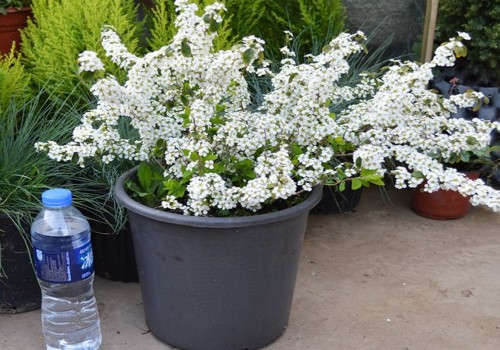
Is Sorbaria sorbifolia (false spirea) suitable for growing indoors?
Sorbaria sorbifolia is an evergreen shrub with relatively high ornamental value that is suitable for growing as a bonsai. Because it is easy to care for and very easy to keep alive, many plant enthusiasts like to grow it indoors. But when growing flowers and plants indoors, it is often necessary to consider whether this brings adverse effects on their growth and the environment.
-
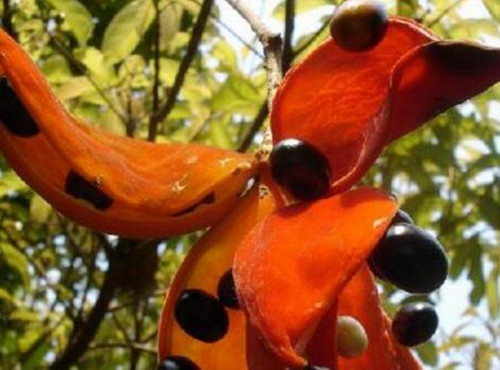
When does the sterculia nobilis bloom? How to tell true sterculia nobilis from the false one and how to grow it
Sterculia nobilis is produced in Guangdong, southern Guangxi, southeastern Fujian, southern Yunnan and Taiwan, China. Because its annual output is small and the sacrificial customs have faded, there are rarely large orchards for planting it, only scattered plantings. So, when does sterculia nobilis bloom? How should true sterculia nobilis be distinguished from the false one? How is it grown? It is understood that
-
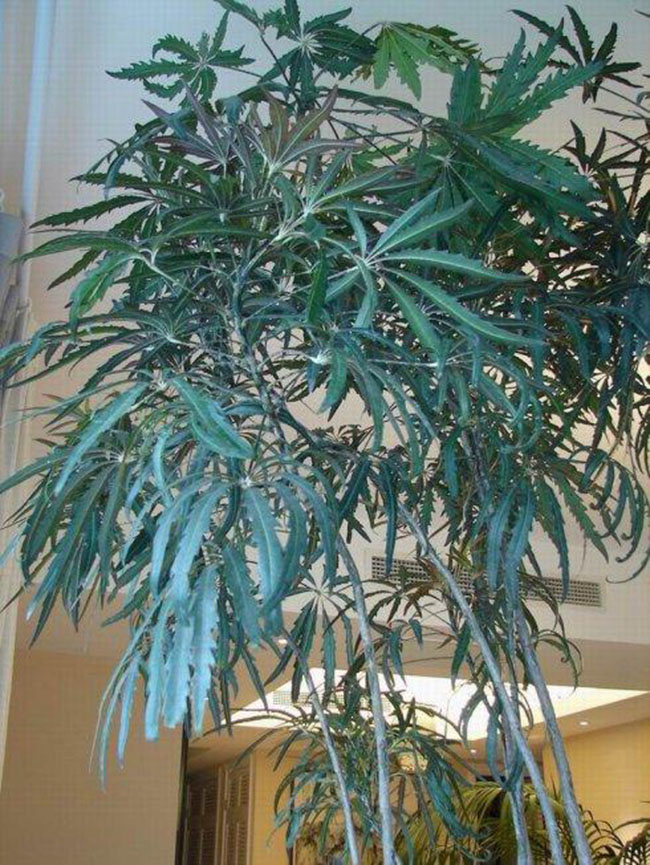
How to Grow a False Aralia? Detailed Guide to Care Methods and Precautions
False Aralia (Araliaceae) False Aralia is also known as: Finger Plant, belonging to the order Apiales, Araliaceae, an evergreen foliage small tree or shrub. Native to Australia and the Pacific Islands. The leaves are leathery, dark green, shaped like slender fingers, with coarsely serrated leaf margins, arranged radially and alternately.
-

What cultivation techniques and management does a Sorbaria sorbifolia (false spiraea) bonsai require?
One big advantage of bonsai is that it takes up very little space, which makes it convenient for friends living in high-rise buildings in the city, who can grow it right on the balcony, and nowadays Sorbaria sorbifolia bonsai is becoming more and more popular, which I believe is inseparable from its beautiful flowers and alluring fragrance. Having seen Sorbaria sorbifolia in full bloom
-
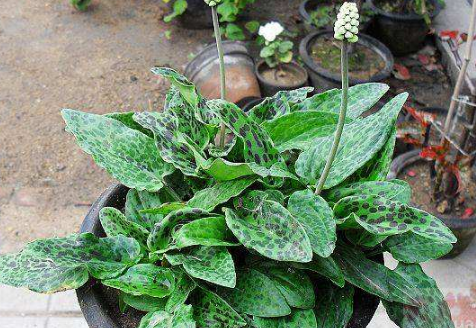
How to Grow and Care for the African False Hosta (Ledebouria kirkii)
1. Light The African False Hosta loves light, and its growth is closely tied to how much light it receives. Plants grown in ample light stay adorably compact and short, while a lack of light makes them leggy and hurts their ornamental value. If you notice new leaves coming in wider and larger than the old ones, with paler color, that is a sign the plant needs a lot more light.
-
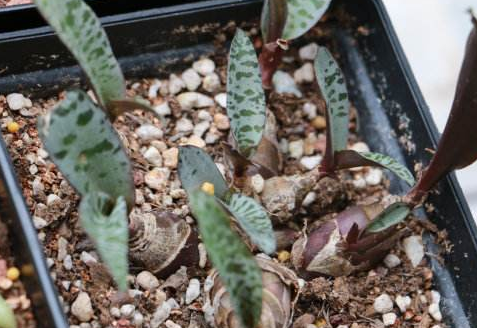
What are the propagation methods for the African false hosta (Ledebouria petiolata)?
Division For African false hosta (Ledebouria petiolata), division can be done at any time except winter; usually the plant is separated at the bulb, the old and withered leaves are trimmed off, and the divisions are planted elsewhere. Sowing African false hosta (Ledebouria petiolata) can be done in spring, summer and autumn; generally a soft brush is used to help with pollination, and once the seeds are ripe they are harvested and grown in a seedbed, with a moderate amount of thin fertilizer applied during the growing period.
-
-
A Detailed Guide to Making a False Asparagus Bonsai
1. Tree form: The false asparagus (Asparagus densiflorus 'Myersii') comes in many tree forms, including the straight-trunk style, slanting-trunk style, curved-trunk style and cliff style, each with its own character. The straight-trunk style is sturdy, upright and rustic; the slanting-trunk style is vigorous and powerful; the curved-trunk style twists and winds like a coiled dragon; the cliff style resembles a steep mountain with a dragon's head peering out. 2. Choosing a pot: The specific shape of the pot is not fixed
条件筛选