-

Key Points of Boxwood Looper Control Techniques Explained
I. Damage symptoms: Euonymus bungeanus, boxwood, Euonymus alatus, elm, poplar, willow, etc. The larvae gather on leaves to feed; after eating the leaves bare, they gnaw the bark of tender branches, causing the whole plant to die. II. Occurrence pattern: 2-3 generations per year, overwintering as pupae. Adults rest in hidden spots among branches and leaves during the day, and emerge at night to move about, mate and lay eggs; eggs are laid on the underside of leaves, arranged in double rows or in masses. Egg masses contain dozens to over a hundred eggs. Hatching mostly occurs in the morning from 5:00-8:00; the larvae gather on the underside of leaves to cause damage, chewing leaves and the bark of tender branches; mature larvae spin silk and drop to the soil to pupate.
-
What are the key points of Teng pear cultivation techniques? Explained clearly in one article
Teng pear is an excellent variety among current pear varieties, characterized by early production, strong yielding ability, excellent fruit quality, strong disease resistance, and storage and transport tolerance. Its main cultivation technique points are: 1. Wide adaptability: suitable for growing in fields, land, and hillside wasteland with good drainage conditions; low-lying wet fields can also be planted after treatment with high beds and deep furrows. 2. Planting spacing: 1. At 3 chi x 9 chi, plant 222 trees per mu; 2. At 5 chi x 9 chi, plant 136 trees per mu. In the year of planting, more than 60% of the pear trees bloom (to favor young tree growth, all first flowers should be removed
-
How is exported ginger sprout produced? Key technical points explained in detail
Exported ginger sprouts are cultivated similarly to conventional ginger, using a densely planted "small ginger" variety with many branches, at a sowing density of 10000 plants per mu; the main cultivation and management techniques are: applying more base fertilizer, topdressing and watering early, promoting early branching and growth of the ginger, and paying attention to shading. Ginger sprout production can be carried out from the stage when the ginger has grown full seedlings all the way to the ginger harvest period. Softened ginger sprout production requires focusing on the following key steps: (1) Build a good cultivation site. A cultivation room converted from an idle house, warehouse, or a greenhouse or solar greenhouse can be used.
-
How to Make Shrimp and Eel Tubes: Cooking Techniques Explained
Recipe name: Shrimp and Eel Tubes. Cuisine: Zhejiang cuisine. Type: Fine Chinese restaurant dish. Basic features: tender shrimp, soft eel. Basic ingredients: yellow eel, shrimp, cooking wine, salt, cornstarch, egg white, red soy sauce, salt, MSG, scallion-ginger water. 1. Slaughter the yellow eel, wash and cut into sections, marinate with salt and cooking wine for a few minutes, set aside. Marinate the shrimp and set aside. 2. Heat oil to medium temperature; dip the marinated yellow eel in egg white batter, fry until cooked, remove and plate. When the oil temperature drops, slide the shrimp in until cooked, remove and plate.
-
Bougainvillea Flower Forcing Methods and Measures Explained
Bougainvillea, with abundant flowers and lush leaves, is easy to grow in pots and not difficult to propagate, with excellent cold resistance. In the northwestern Jiangxi region, it can overwinter just placed under the south-facing eaves. The drawback is: vigorous vegetative growth; if sunlight is insufficient and care and management are improper, it will be difficult to bloom. Adopting one of the following technical measures can make it bloom as early as June to July, with a flowering period lasting about 2 to 3 months. 1. Water withholding: Purple-red bougainvillea that has overwintered in dormancy sprouts and grows new branches in March, and by May most new branches have grown to about 10 cm; choose hot sunny days to withhold water, for 3 to
-
How is High-Quality Angora Rabbit Wool Produced? Key Technical Points Explained
Rabbit hair is divided into three types: fine hair, coarse hair, and two-type hair. Fine hair, also known as rabbit down, has an average fineness of 12-14 microns and is the shortest of the three types. It has distinctly irregular crimps. Because fine hair has good physical and chemical properties, it has high textile value in the wool textile industry. Generally speaking, its price is also higher than the other two types. Therefore, mastering rabbit down production techniques to produce more fine hair is an effective means of improving the production efficiency of Angora rabbits. 1. Understand the quality requirements for rabbit down. Rabbit down should be pure white, fully loose, free of impurities,
-
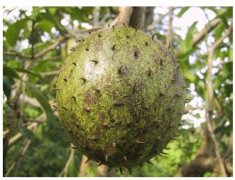
Is soursop the same as sugar apple? One article explains what soursop fruit actually is
What kind of fruit is soursop, and what does it look like? Want to know? Let's take a look together. Soursop is a relatively rare tropical fruit in Taiwan, China; botanically it is very closely related to the sugar apple, as both are fruit trees of the genus Annona. The fruit is long and conical in shape, with a surface
-
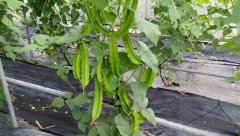
How do you get winged beans, and can you eat them raw? Everything explained in one article
Have you ever seen a bean with wings? If not, let's get to know it together. This kind of bean is not only better looking than ordinary beans, but its tender pods are emerald green, with an excellent pod shape and a crisp, fresh taste. Spring cropping can produce high-quality tender pods. Can winged beans be eaten raw? It should
-

Butterfly Farming Techniques Explained: Environmental Management and Rearing Methods
Butterfly Farming Techniques
-

How to Water Azaleas? The Correct Method Explained Clearly in One Article
Because the root system of azaleas is a shallow, fine root mass, they fear both drought and waterlogging; improper watering can cause leaf drop in mild cases and death in severe cases. Therefore, whether watering is done properly becomes one of the keys to growing azaleas well. Watering azaleas should be determined according to the plant's growth condition and weather changes. Spring bud formation and flowering period
条件筛选