-

Latest Methods for Dealing with Excessive Nitrogen Fertilizer Application in Rice
Nitrogen fertilizer is one of the indispensable elements for rice growth; it can promote rice growth and has an improving effect, but we all know the meaning of going beyond the limit is as bad as falling short. If too much nitrogen fertilizer is applied, it will only harm the rice. So how should excessive nitrogen fertilizer application in rice be dealt with?
-
Wheat fertilization has its particularities: pay attention to less phosphorus and more potassium
Applying excessive phosphorus to wheat first of all increases costs. This year diammonium phosphate is quite expensive, with the retail price of 64% exceeding 3900 yuan/ton. Phosphorus is essential, but there is no need for excess. Empirical data shows that using 40-50 kg of a ternary compound fertilizer containing 15%-20% pure phosphorus per mu as a base fertilizer generally prevents phosphorus deficiency.
-
What to Do If a Pear Tree Does Not Bear Fruit? A Detailed Guide to Practical Technical Measures
1. Avoid excessive application of nitrogen fertilizer. Some farmers grow sweet potatoes between their pear trees; they grow sweet potatoes to cut the vines to feed pigs, so they frequently pour pig manure, and the pear trees grow tall and large but bloom without bearing fruit. For this type of pear tree, nitrogen fertilizer application should be stopped and phosphorus and potassium fertilizers increased; apply potassium dihydrogen phosphate by trenching at the drip line of the canopy and by spraying the canopy.
-
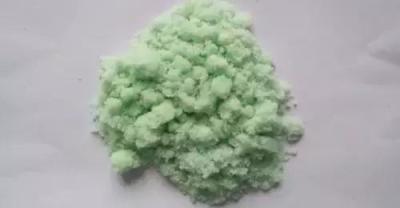
What are the harms of excessive fertilizer application?
"A crop is a flower, and it all depends on fertilizer to keep it going" - this is a familiar farming proverb. However, data from sample surveys of farming households by relevant experts show that...
-
Large-scale leaf-rolling of the central leaves of rice may be related to excessive application of quinclorac
For some time recently, hundreds of readers across our province have called to report large-scale leaf-rolling of the central leaves of rice seedlings, which is even more common in direct-seeded rice production. Many readers brought in diseased plants. The root systems of the diseased plants are generally fairly normal, and there are no obvious disease spots or other symptoms on the leaves. After examining the submitted diseased plants, relevant experts from the Institute of Plant Protection of the Provincial Academy of Agricultural Sciences and other units preliminarily diagnosed that the leaf-rolling of the central leaves of rice is not caused by viruses or other pathogenic microorganisms, but may be phytotoxicity caused by herbicides such as 2,4-D and quinclorac, or may be caused by physiological
-
What to Do About Excessive Cotton Growth Regulator Application? Master These Mitigation Methods
Every year in late July and early August, many cotton farmers in cotton-growing areas report that some cotton plants showed excessive vigor in the earlier stage, and some even tended toward runaway growth, so they applied the plant growth regulator mepiquat chloride. Because they could not get the concentration right, when the spray concentration was too high and they encountered high-temperature weather, the cotton plants showed symptoms of leaves and branches being unable to spread out, and cotton growth was inhibited. Below are several methods to alleviate excessive cotton growth: Spray Huimanfeng active liquid fertilizer. This fertilizer contains chelated humates and multi-element compound fertilizer
-
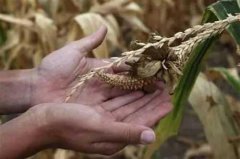
What are the ecological and human health hazards of excessive nitrogen fertilizer application?
Excess nitrogen fertilizer in vegetables and fruits: beware of cancer. Have you ever heard of this? Food safety is becoming more and more fragile nowadays, so we must pay more attention ourselves. Although eating vegetables and fruits is good for health, when nitrogen fertilizer is used excessively, the nitrate present in leafy vegetables can trigger esophageal
-
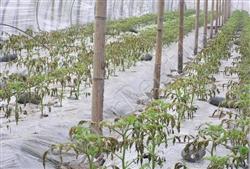
What are the harms of excessive chemical fertilizer application?
What happens when too much chemical fertilizer is applied? Here is an introduction to the following situations that arise from excessive chemical fertilizer application: 1. It leads to a large input-to-output ratio. First, limited by factors such as the level of farming and cultivation and the crop's fertilizer requirement, crops cannot achieve very high yields; second, because too much of a few single-type fertilizers is applied, nutrient imbalance is caused...
-
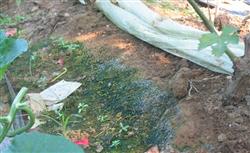
What are the harms of excessive application of organic fertilizer to vegetables?
What are the harms of excessive application of organic fertilizer to vegetables? How can excessive application of organic fertilizer be prevented and controlled? We also ask experienced netizens to help explain. Organic fertilizer can improve the physical and chemical properties of soil, enhance water and fertilizer retention, and improve the ability to supply fertilizer continuously, but excessive application of organic fertilizer can also affect the physical and chemical properties of soil, and in severe cases can cause...
-
Excessive application of organic fertilizer to vegetables causes soil deterioration, how can it be prevented?
Preventing soil deterioration caused by excessive use of organic fertilizer on vegetables
条件筛选