-
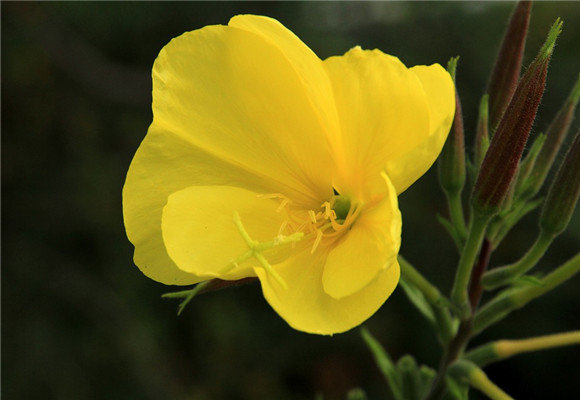
Where does evening primrose grow? Introduction to its effects, functions and cultivation methods
Evening primrose is a species in the genus Oenothera of the family Onagraceae, native to North America (especially Canada and the eastern United States), introduced to Europe early on, and then rapidly spread to temperate and subtropical regions of the world. So, where does evening primrose grow? What effects and functions does it have? How is it cultivated? Where does evening primrose grow?
-
Evening Primrose Cultivation Precautions: How to Grow Evening Primrose
Evening Primrose Cultivation Precautions: How to Grow Evening Primrose
-

What are some ways to make money in your spare time in the evening?
How can you make money in your spare time in the evening?
-
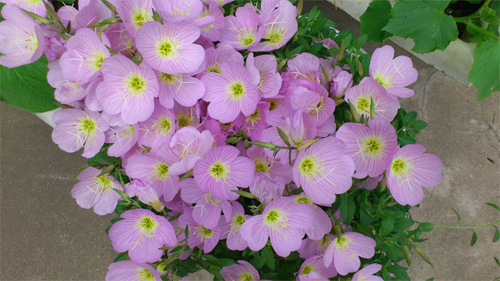
What are the alternative names and propagation methods for evening primrose?
The flowers of evening primrose are so beautiful to look at; I really want to grow a large patch of evening primrose at home, the flowers are truly enchanting. What are the propagation methods for evening primrose? Does evening primrose have any other names? Propagation methods for evening primrose: sowing. Evening primrose can be sown in spring, summer or autumn, and spring is the most suitable.
-
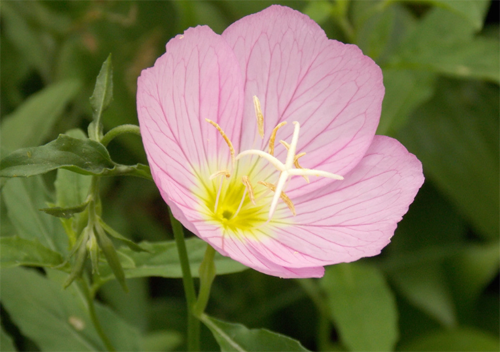
A Detailed Guide to Growing Evening Primrose: Methods and Benefits
When evening primrose blooms, it is very beautiful and lovely. If you want to grow evening primrose yourself, how should you grow it? What benefits and effects does evening primrose have? Take a look and you will know: Growing methods for evening primrose: evening primrose is drought-tolerant, cold-tolerant, and tolerant of poor soil.
-

Evening primrose, tuberose, mountain sesame, wild sesame
Scientific name: Oenothera biennis. Common names: tuberose, mountain sesame, wild sesame. Type: perennial herbaceous plant. Origin: native to North America, introduced to Europe and then spread throughout the world. Family and genus: Onagraceae, genus Oenothera. Growth characteristics: evening primrose is cold-tolerant, drought-tolerant, tolerant of poor soil, light-loving, and intolerant of waterlogging; bolting and flowering require a certain low-temperature stimulus. Morphological characteristics: biennial plants are 100-140 cm tall; annual plants are 60-90 cm tall. Basal leaves grow in a rosette
-
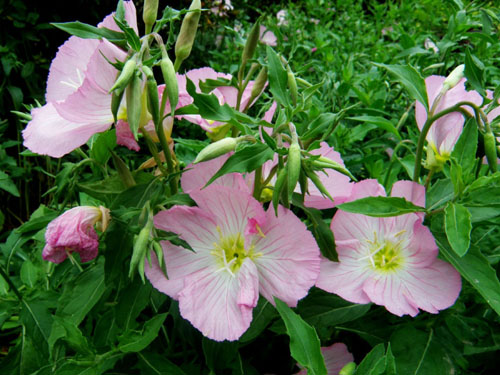
How to grow evening primrose (night-blooming evening primrose, evening star)
Evening primrose (night-blooming evening primrose, evening star) scientific name: Oenothera biennis. Aliases: evening star, mountain sesame, wild sesame. Family and genus: Onagraceae. Morphological features: biennial herb, 1 m tall. When grown as an annual, the plant is shorter. The whole plant is hairy, the stem is upright, and the lower part is much branched.
-

Fertilizing Methods and Precautions for Potted Camellias: Apply Liquid Fertilizer in the Evening
Everyone is certainly familiar with the camellia. It is one of China's top ten famous flowers, boasting not only beautiful blooms and vivid colors, but also a captivating fragrance that people adore. However, if you want to grow camellias beautifully, fertilizing is a crucial part. So how do you fertilize camellias?
-
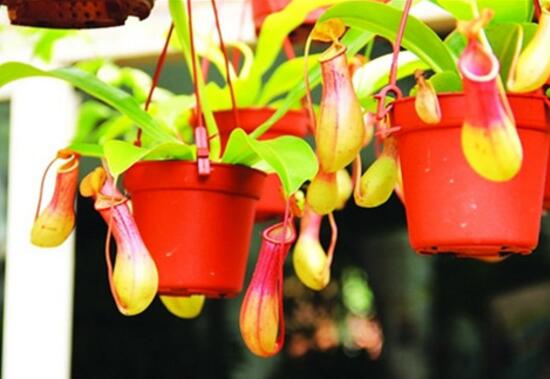
How do you water a pitcher plant correctly? Water in the morning and evening, not at noon
The pitcher plant (Nepenthes) is a plant that can repel mosquitoes; the pitchers it grows have the function of catching mosquitoes and flies. In everyday life, many people keep pitcher plants, not only because they can catch insects, but more importantly because they also look beautiful. However, if you want to grow pitcher plants well, you must pay attention to watering. So how do you water a pitcher plant?
-
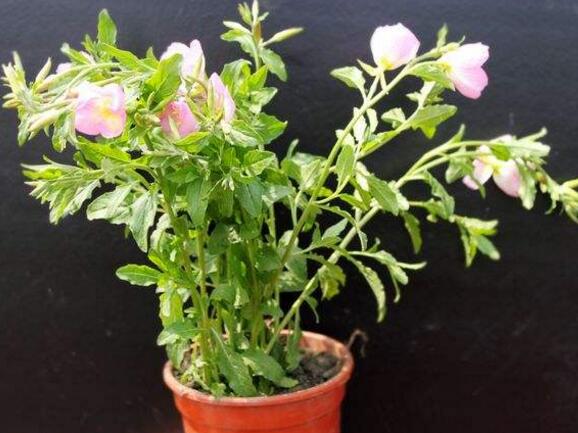
How to sow evening primrose? Detailed explanation of propagation methods and cutting techniques
Evening primrose is a plant with extremely high medicinal value, and it has good curative effects on many ailments, so many people want to grow one at home. Regarding how to sow evening primrose, how many propagation methods are there for evening primrose? Below, the editor will walk you through it.
条件筛选