Fertilizing Methods and Precautions for Potted Camellias: Apply Liquid Fertilizer in the Evening
Everyone is certainly familiar with the camellia. It is one of China's top ten famous flowers, boasting not only beautiful blooms and vivid colors, but also a captivating fragrance that people adore. However, if you want to grow camellias beautifully, fertilizing is a crucial part. So how do you fertilize camellias? Below are the fertilizing methods and precautions for potted camellias. Follow along with the editor to learn more.
I. How to Fertilize Camellias: Timing/Fertilizer/Methods
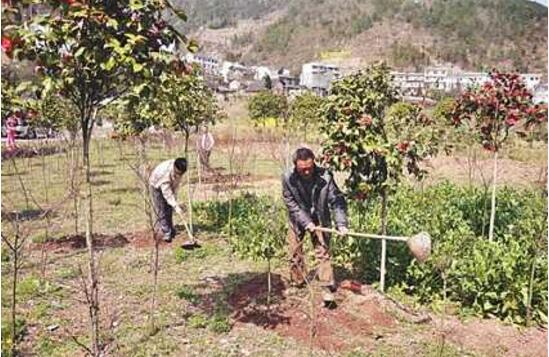
In our guide to growing camellias, we mentioned that the camellia is a fertilizer-loving flowering plant. It has many leaves and a long blooming period, so it needs a lot of nutrients. When fertilizing camellias, one thing is very troublesome: you cannot apply too much fertilizer, or the roots will easily rot, causing yellowing leaves, leaf drop, and other problems that seriously affect the plant's ornamental value. As for how to fertilize camellias, timing, fertilizer, and method are very important. Let's read on.
II. Fertilizing Methods and Precautions for Camellias
(1) When to Fertilize Camellias: In the Evening
To know how to fertilize camellias, you first need to master the timing. It is understood that when fertilizing camellias, gardeners all use liquid fertilizer, and the best time to apply liquid fertilizer is in the evening, when the temperature drops and the soil is dry, making it just right for fertilizing. Note: The next morning, water thoroughly once to dilute the fertilizer solution in the soil layer and help the roots absorb it.
(2) What Fertilizer to Use for Camellias: Nitrogen, Phosphorus, and Potassium Fertilizers
1. To Promote Spring Shoots, Use Nitrogen Fertilizer
What fertilizer should be used for camellias? The fertilizer used varies according to the camellia's growth needs. When the temperature is around 18°C, the camellia begins to sprout spring shoots. At this time, nitrogen fertilizer should be applied once every 10 days until the spring shoots begin to lignify. After multiple applications of nitrogen fertilizer, the spring shoots will grow very luxuriantly, creating excellent conditions for the camellia to bloom.
2. For Flower Bud and Flower Bud Differentiation, Apply Phosphorus and Potassium Fertilizers
After the spring shoots begin to lignify, there is a short semi-dormant period, during which the camellia enters its growth phase and flower buds begin to differentiate. If you want the camellia to set buds, you should apply more phosphorus and potassium fertilizers and little or no nitrogen fertilizer at this time. This can both control excessive shoot growth and promote and shorten the flower bud differentiation period, which is more conducive to bud formation.
(3) Fertilizing Methods and Principles for Camellias
Now that you know when to fertilize camellias and what fertilizer to use, the next step is the fertilizing method. First, during fertilizing, you should apply sufficient slow-release fertilizer when repotting. Depending on the pot size, apply 3 grams to 80 grams of decomposed cake fertilizer powder or dried chicken and duck manure per pot, placed at the bottom of the pot and mixed evenly with the base soil.
Second, except during the hottest summer and coldest winter when no fertilizer is applied, apply decomposed cake fertilizer water once or twice a month. Fertilizing method: Pull back the soil around the pot edge about 2 cm, pour the liquid fertilizer into the trench, and immediately cover with soil to avoid odors. In daily life, you can buy camellia-specific fertilizer at flower shops, which is both hygienic and safe.
Finally, to help camellias grow better, during the vigorous growth period, carry out foliar feeding once or twice a month, spraying the leaves with 0.2% to 0.3% potassium dihydrogen phosphate and 1% to 2% plant growth hormone. Fertilizing principles: Light rather than heavy, dilute rather than concentrated, less rather than more. You must adhere to the method of frequent application of thin fertilizer, and especially do not apply raw fertilizer.
(4) Precautions for Fertilizing Camellias
Once you have mastered the fertilizing methods for camellias, growing them becomes much simpler. However, when fertilizing camellias, there are several time periods you should pay special attention to:
1. During the period when camellia buds color up and bloom, you must not fertilize, or it will cause flower and bud drop;
2. During high summer temperatures and the winter semi-dormant period, do not fertilize camellias, or it will cause root rot;
3. If you notice excessive shoot growth or leaves drooping for a long time, this indicates over-fertilization. Stop fertilizing immediately.
4. Newly transplanted camellias or those with diseases should preferably not be fertilized. Wait until new plants and diseased plants have recovered and been cured before applying thin fertilizer. In addition, camellias planted in autumn generally are not fertilized that same year.
Overall, camellias are plants that need relatively large amounts of fertilizer. We should fertilize selectively according to the different growth stages of the camellia, so as to grow beautiful camellias. That's all for the editor's introduction to camellia fertilizing methods. We hope it helps.
How to Fertilize Potted Camellias? Fertilizing Methods and Precautions for Potted Camellias
Camellia is one of China's top ten famous flowers and a relatively well-known flower worldwide. Camellias are widely cultivated in southern China. Fertilizing camellias should be done selectively according to their different growth stages. During the growing period, camellias need topdressing with quick-acting liquid fertilizer and chemical fertilizer. During the stage of sprouting branches and leaves, apply nitrogen fertilizer or a mixed fertilizer mainly composed of nitrogen. Before flower bud differentiation, flower bud formation, enlargement, and blooming, phosphorus fertilizer or a mixed fertilizer mainly composed of phosphorus is needed. In autumn and winter, mixed fertilizers mainly composed of phosphorus and potassium are most suitable.(1) Nitrogen Fertilizer to Promote Spring Shoots
Camellias generally begin to sprout spring shoots at around 18°C. At this time, apply bud-promoting fertilizer mainly composed of nitrogen, once every 10 days until the spring shoots begin to lignify. If conditions permit, you can also simultaneously spray the leaves with a dilute mixture of 1000 times potassium dihydrogen phosphate, about 1% urea, and about 300 times rice vinegar. After multiple root and foliar applications, the spring shoots will grow very luxuriantly, the leaves will expand to their maximum, and the branches will accumulate abundant nutrients, creating good conditions for flower bud differentiation.
(2) Increase Phosphorus and Potassium Fertilizers to Promote Flower Bud Differentiation and Bud Formation
After the spring shoots of the camellia have fully sprouted and entered lignification, there is a short semi-dormant period. At this time, the camellia shifts from the vegetative growth stage to reproductive growth, and flower buds begin to differentiate. If you want the camellia to set many buds, apply more phosphorus and potassium fertilizers and no or little nitrogen fertilizer. If the camellia is a small plant mainly for growing larger, then still focus on nitrogen fertilizer, with no or little phosphorus fertilizer. Every 10 days or so, spray the leaves with a dilute mixture of 1000 times potassium dihydrogen phosphate, a small amount of borax, and rice vinegar. This can both control excessive shoot growth and promote and shorten flower bud differentiation time, benefiting bud formation.
(3) Do Not Fertilize in Midsummer, and Never Apply Concentrated Fertilizer
In midsummer, when the weather is hot, camellias grow slowly or enter a semi-paused state. At this time, do not fertilize, and especially be careful not to apply concentrated fertilizer. If the soil is poor and thin, you can apply a small amount of dilute liquid fertilizer along with watering to improve the soil.
(4) In Autumn, Properly Apply Mixed Fertilizer Mainly Composed of Phosphorus and Potassium
In autumn, when the sky is high and the air is crisp, it is the nutrient accumulation period for camellia plants. For safe overwintering, apply a mixed fertilizer mainly composed of phosphorus and potassium every half month, combined with foliar spraying, to promote robust growth and improve the camellia's cold resistance.
(5) In Winter, Apply Dilute Phosphorus and Potassium Liquid Fertilizer
In the cold winter, camellias enter a semi-dormant period. When brought indoors or into storage, vegetative growth has entered dormancy and not much fertilizer is needed. However, reproductive growth has not completely stopped, as it is the season for blooming or preparing to bloom. Apply dilute phosphorus and potassium liquid fertilizer along with watering. Never apply concentrated fertilizer.
How to Fertilize Potted Camellias? Fertilizing Techniques for Potted Camellias
Potted camellias are a very popular type of potted flowering plant. So how do you fertilize potted camellias? Today, let's share the fertilizing techniques for potted camellias.
Fertilizing camellias should be done selectively according to their different growth stages.
Organic camellias need topdressing during the growing period, and quick-acting liquid fertilizer and chemical fertilizer are suitable. During the stage of sprouting branches and leaves, apply nitrogen fertilizer or a mixed fertilizer mainly composed of nitrogen. Before flower bud differentiation, flower bud formation, enlargement, and blooming, phosphorus fertilizer or a mixed fertilizer mainly composed of phosphorus is needed. In autumn and winter, mixed fertilizers mainly composed of phosphorus and potassium are most suitable.
(1) Nitrogen Fertilizer to Promote Spring Shoots
Camellias generally begin to sprout spring shoots at around 18°C. At this time, apply bud-promoting fertilizer mainly composed of nitrogen, once every 10 days until the spring shoots begin to lignify. If conditions permit, you can also spray the leaves with salt water. After multiple root and foliar applications, the spring shoots will grow very luxuriantly, the leaves will expand to their maximum, and the branches will accumulate abundant nutrients, creating good conditions for flower bud differentiation.
(2) Increase Organic Fertilizer and Potassium Fertilizer to Promote Flower Bud Differentiation and Bud Formation
After the spring shoots of the camellia have fully sprouted and entered lignification, there is a short semi-dormant period. At this time, the camellia shifts from the vegetative growth stage to reproductive growth, and flower buds begin to differentiate. If you want the camellia to set many buds, apply more phosphorus and potassium fertilizers and no or little nitrogen fertilizer. If the small organic camellia is mainly for growing larger, then still focus on nitrogen fertilizer, with no or little phosphorus fertilizer.
(3) Do Not Fertilize in Midsummer, and Never Apply Concentrated Fertilizer
In midsummer, when the weather is hot, camellias grow slowly or enter a semi-paused state. At this time, do not fertilize, and especially be careful not to apply concentrated fertilizer. If the soil is poor and thin, you can apply a small amount of dilute liquid fertilizer along with watering to improve the soil.
(4) In Autumn, Properly Apply Mixed Fertilizer Mainly Composed of Organic Fertilizer
In autumn, when the sky is high and the air is crisp, it is the nutrient accumulation period for camellia plants. For safe overwintering, apply a mixed fertilizer mainly composed of farmyard manure every half month, combined with foliar spraying, to promote robust growth and improve the camellia's cold resistance.
The above are the fertilizing techniques for potted camellias. Friends who like camellias can refer to these methods to fertilize potted camellias scientifically.