-

How to Grow Dieffenbachia in Water? A Detailed Guide to Care Essentials
1. Plant selection: To grow Dieffenbachia in water, you naturally need to choose a good plant first. There are generally two main methods now: taking a branch from a planted Dieffenbachia and rooting it in water, which can sprout new roots in about 10 days. You can also use the root-washing water culture method, which means washing the roots of a soil-grown Dieffenbachia and then growing it in water.
-
How to Grow Calathea roseopicta? A Full Breakdown of Daily Care Essentials
1. Calathea roseopicta is an excellent shade-loving indoor foliage plant. In the hot summer, protect it from direct sun exposure and shade out 70%-80% of the light, otherwise damage easily occurs. 2. Calathea roseopicta prefers a warm, humid, shaded environment. The optimal growing temperature is 20-30°C, and the overwintering temperature is 15°C.
-
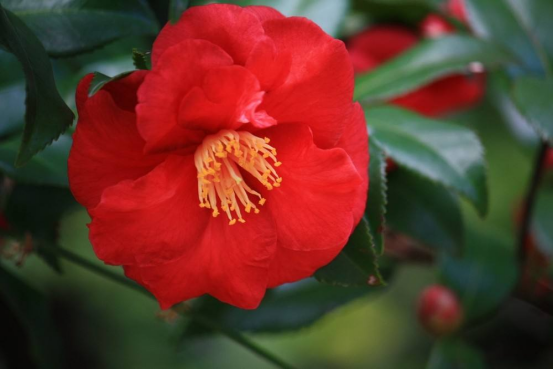
How to grow bonsai? Mastering these care essentials is key
1. Light: To enjoy the beauty of a Camellia sasanqua bonsai all year round, regular care is very important. Camellia sasanqua is a plant that needs to grow in a semi-shaded environment, and it also needs good ventilation. If it lacks light and ventilation over time, the leaves will lose their gloss, the flower colors will not be bright enough, and it may even produce few flowers
-

How to care for Chinese sweet plum (Sageretia thea) in winter? Master the care essentials for a safe winter
Watering: Pay special attention to how you water a Sageretia bonsai in winter. The Sageretia bonsai enters dormancy in winter and basically needs no water, so watering lightly or not at all is best. Temperature control: The Sageretia bonsai is naturally not cold-hardy, so keeping it warm is essential. In winter it should be moved indoors for care
-
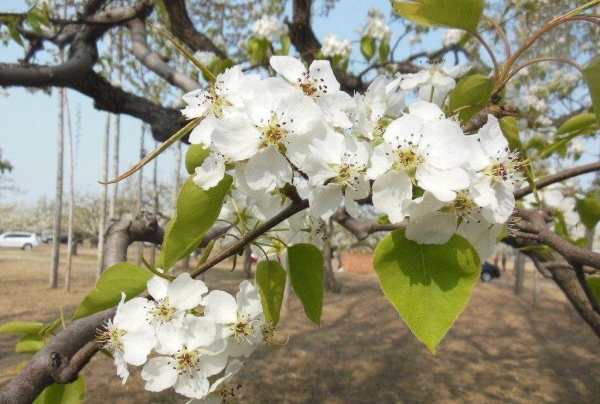
What are the key points for pear tree care? Mastering the management essentials is crucial
During the growth of pear trees, pruning must be carried out in a timely manner, cutting away water sprouts and crossing branches to encourage lower branching, cultivating compact fruiting clusters, and at the same time giving the bonsai a naturally beautiful artistic effect with distinct layers and well-balanced density. Because pear tree leaves are relatively sensitive to water supply, if the water supply is insufficient
-
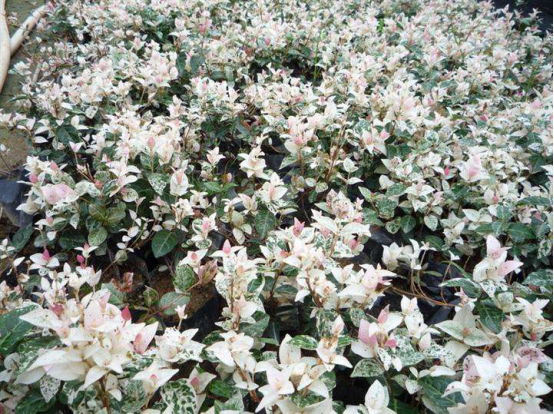
Detailed Guide to Planting Methods and Care Essentials for Star Jasmine
1. Potting soil selection: For the choice of potting soil, star jasmine can be grown in a variety of media, and it also has strong adaptability to soil. Therefore, there are no fixed requirements, and the choice can be made according to the grower's preference. 2. Light and temperature: As for light, star jasmine likes to grow in sunny places
-
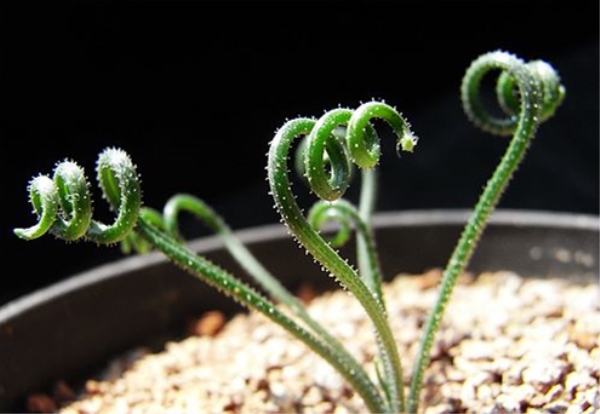
How to grow Albuca spiralis? Master these care essentials
Repotting: Albuca spiralis needs repotting every year of growth to provide it with sufficient nutrients. We generally choose to repot at the end of August. The potting soil should be fertile and loose, rich in humus, and have good drainage and aeration. Light: Albuca spiralis loves light, so during the growing season we should give it plenty of light
-
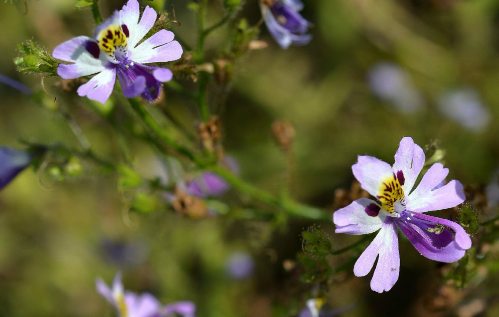
How to Propagate Schizanthus? A Complete Guide to Propagation Essentials
Sowing Time Schizanthus is best sown in autumn, generally from August to October each year. Sown at this time, the plants will have a higher survival rate and grow more vigorously! Sowing Soil Schizanthus has certain requirements for soil when sowing.
-
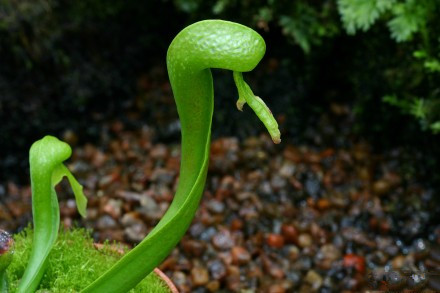
How to Grow Cobra Lily (Darlingtonia californica)? A Complete Guide to Cultivation Essentials
Cobra lily (Darlingtonia californica) is one of the genera in the pitcher plant family (Sarraceniaceae) and is a carnivorous plant, mainly distributed in northern California and Oregon in the United States. The cobra lily is a very well-known carnivorous plant species, named for its resemblance to a cobra, and is a prized collector's target for many enthusiasts. The left and right sides of their pitcher lid are fused
-

Narcissus growing tips: a full breakdown of care essentials
Environmental requirements of narcissus 1. Narcissus prefers a warm, humid climate, and is especially suited to places with no severe cold in winter, no extreme heat in summer, and plenty of rain in spring. 2. It likes water and tolerates fertilizer, requiring loose, organic-rich, adequately moist neutral or slightly acidic loam, but it is also drought-tolerant and tolerant of poor soil. 3. Narcissus likes sunlight
条件筛选