-

Trace elements needed for soybean growth and application methods
Normal soybean growth requires some trace elements, among which the more important ones are molybdenum, boron, zinc, manganese, etc. Molybdenum is a component of soybean root nodule nitrogenase and an indispensable component for the normal life activities of nitrogen-fixing bacteria. Boron is also very important in soybean life activities. Soybeans deficient in boron have poor root development and poor nodule formation, losing their nitrogen-fixing ability. Therefore, attention must also be paid to trace elements. Can the trace elements needed by soybeans be satisfied from the soil? This depends on the abundance or deficiency of trace elements in the soil and environmental conditions. For example, in low-lying or poorly drained
-
What trace elements do chickens need as supplements?
The trace elements chickens need include manganese, iron, copper, zinc, iodine, magnesium, sulfur, selenium, and so on. Although these elements are needed in extremely small amounts, they play a very important role in chickens' growth and development, reproduction, nutrient metabolism, and the quantity of products. Some of these elements are needed in extremely small amounts, and an excess can easily cause poisoning, so the amount given must be accurate and mixed evenly. Manganese: the main role of manganese is related to phosphorus and calcium metabolism, growth and development, egg growth, embryonic development, reproduction, and health. When the diet lacks manganese, chicks develop poor bone development, perosis, loss of movement
-
What are the technical elements of artificial cultivation of Gastrodia elata (tianma)?
(1) Change from wild to domestic planting. (2) Adopt single-layer and double-layer cultivation, and further develop to three-layer cultivation. (3) Use the fungal-wood companion planting method to add covering wood to both the upper and lower layers, so that the fungal threads grow both upward and downward, and the fungal threads in the middle layer interweave into a network from top to bottom, which is more conducive to the growth of Gastrodia elata. (4) When using large tree branches and knots as fungal wood, pay attention to using small branches and knots, which not only saves wood but also makes it convenient to use local materials in plain areas, making full use of raw materials. (5) Use wooden box cultivation and brick pool cultivation
-
Functions of Essential Nutrient Elements in Garlic and Detailed Explanation of Deficiency Symptoms
Garlic prefers loose soil rich in humus, has strong adaptability to soil pH, and grows well under slightly alkaline conditions. Among the different growth stages of garlic, the demand for nitrogen is the highest, followed by potassium, calcium, phosphorus, and magnesium. For every 1000 kg of fresh garlic produced, it needs to absorb 4.5-5.0 kg of nitrogen, 1.1-1.3 kg of phosphorus, and 4.1-4.7 kg of potassium, with a ratio of about 1:0.25-0.9. The root system of garlic is a string-like fleshy root system, mainly distributed within the 5-25 cm plow layer, and it belongs to shallow-rooted vegetables.
-
How 5 Trace Elements Affect Egg Quality
Egg quality includes external qualities such as egg weight, eggshell quality, eggshell color, and egg shape index, as well as internal qualities such as albumen height, yolk color, yolk membrane strength, chemical composition, functional properties, blood spots and meat spots, and flavor. The egg qualities of greatest concern to producers and consumers are egg weight, eggshell quality, yolk color, and functional properties. 1. Effects of zinc and manganese on egg quality. There are few reports on studies of zinc used alone in laying hen feeding. Research by Wedekind (1990, 1992) showed that amino acid
-
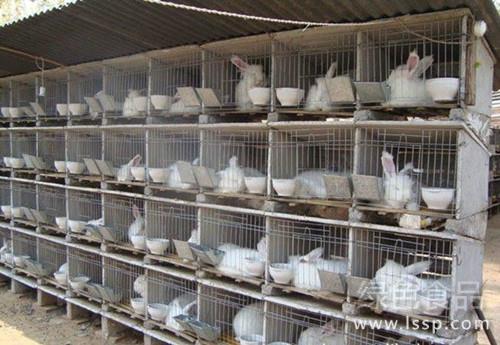
Seven key elements of fattening domestic rabbits, which can effectively improve meat quality and increase output
Fattening can improve meat quality and increase output: the seven key elements of fattening domestic rabbits
-

Rice multicultural practice: Four key elements for local sake brewing need breakthroughs
Li Jianwei / Heart of Sake 03: Let local sake brewing become a practice of rice multiculturalism! Four key elements need breakthroughs
-

A detailed guide to periwinkle cultivation methods, seven key elements not to be missed
Periwinkle (Madagascar periwinkle) has many and brilliant flowers and can bloom almost all year round, so people also call it "daily spring". It has high ornamental value and can be used as an indoor potted plant, but it is slightly toxic and must not be eaten by mistake. Let's learn about its cultivation methods below.
-

Core elements to master in cycad (sago palm) cultivation
1. Keep plenty of sunlight. Cycads love light, but they should not be placed in direct sunlight, especially in summer when the sun is very strong; give the cycad appropriate shade. 2. Suitable temperature. Cycads do not like weather that is too cold, so when winter temperatures are low, move them indoors to prevent cold damage.
-
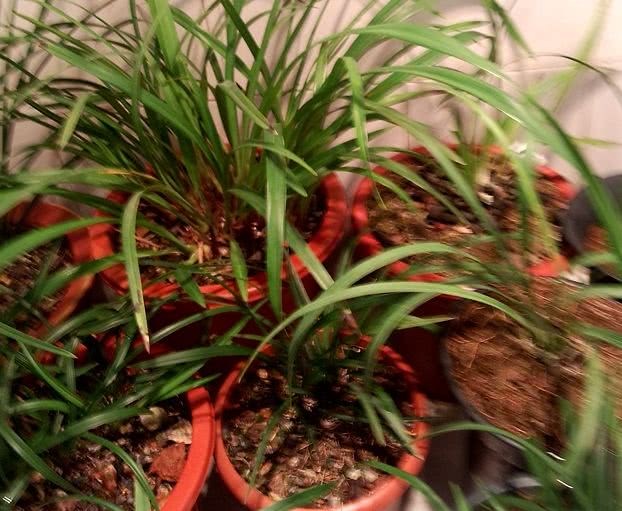
7 basic elements of orchid cultivation, and in three years you can grow orchids well without asking for help
The basic 7 elements of orchid cultivation, and in three years you can grow orchids well, never needing to ask for help again! Growing medium: every orchid grower has their own commonly used growing medium. Generally speaking, as long as it is a growing medium that can grow ordinary orchid seedlings well, such as peat soil, humus...
条件筛选