Seven key elements of fattening domestic rabbits, which can effectively improve meat quality and increase output
To improve the meat quality of domestic rabbits and increase meat production, fattening should first be carried out before slaughter. Fattening means increasing the nutritional reserves in the rabbit's body within a short period. Here are the 7 key points for increasing meat production in domestic rabbits:
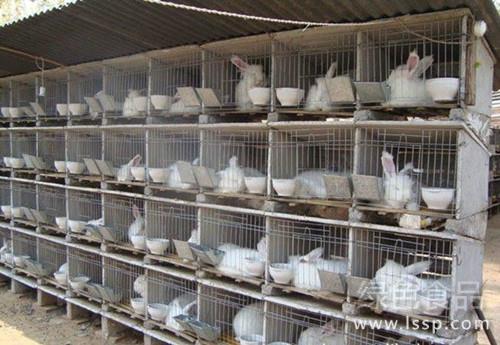
Fattening domestic rabbits
(1) Fattening domestic rabbits should be based mainly on concentrated feed.
After the rabbit's skeletal growth and development are complete, the weight gained during fattening is mainly muscle and fat. During fattening, concentrated feed should be the main component, requiring feed with 16-18% crude protein, 15% crude fiber, and 2500 kcal digestible energy. Commonly used fattening feeds include barley, corn, bran, soybean cake, radish, potato, sweet potato, and so on. Feeds rich in carbohydrates such as sweet potato, potato, taro, and radish should be selected. Appropriately supplement with green fodder as well.
(2) Fattening rabbits should be reasonably grouped.
Fattening rabbits are mostly raised in groups. They should be grouped according to body size and constitution to prevent fighting and avoid affecting the fattening effect.
(3) Fattening male rabbits should be castrated.
Fattening male rabbits should undergo castration surgery to increase meat production and reduce feed costs. After castration, metabolism and oxidation in the body are reduced, which helps the rabbit accumulate fat. Under the same feeding conditions, castrated male rabbits gain 10-15% more weight than uncastrated male rabbits.
(4) Create a quiet environment for fattening rabbits.
To improve the fattening effect and reduce feed consumption, domestic rabbits should be restricted in movement during the fattening period; they should be kept in warm, dimly lit rabbit housing and maintain a quiet environment, which can promote the accumulation of meat and fat in domestic rabbits.
(5) Feeding methods.
Two methods can be used: restricted feeding and free feeding. During the fattening period, because movement is reduced and the feed is mainly concentrated feed, the rabbits may show poor appetite, so feed small amounts more frequently to increase feed intake, and at the same time provide sufficient drinking water to prevent decreased appetite from affecting feed digestion, nutrient absorption, and metabolism.
(6) Provide sufficient drinking water.
During the fattening period of domestic rabbits, gradually transition from mainly green fodder to mainly concentrated feed. At this time, the rabbits' water needs must be met, and clean drinking water must be provided 2-3 times daily.
(7) Careful management.
During the fattening period, due to high stocking density, lack of light, and restricted movement, domestic rabbits have poor body resistance and are prone to illness, so frequent inspections are needed, attention should be paid to environmental hygiene, and rabbit housing and cages should be cleaned promptly and disinfected regularly. It is necessary to ensure that the rabbits during the fattening period can eat their fill, eat well, rest well, and have good health.