A detailed guide to periwinkle cultivation methods, seven key elements not to be missed
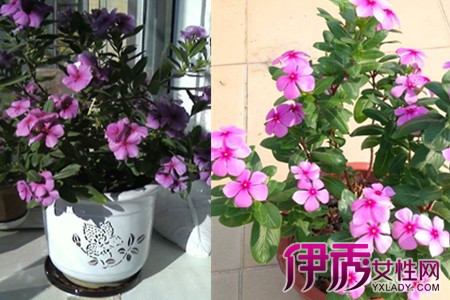
First: soil. Periwinkle is suitable for planting in fertile, well-drained soil. The soil should be acidic rather than alkaline. Compacted soil with poor air permeability will make periwinkle grow poorly, with yellowing leaves, and it may even fail to bloom.
Second: sunlight. Periwinkle likes sunlight, so it must be placed in a sunny place so that the leaves will be emerald green and glossy and it will bloom more. If it is placed in a dark place for a long time, the leaves will turn yellow and fall off.
Third: temperature. Periwinkle likes a warm environment. From March to July, the most suitable temperature for growth is 18-24°C; from September to March of the following year, the most suitable temperature for growth is 13-18°C. When the temperature is below 10°C, growth will stop, and it may even be frostbitten.
Fourth: watering. Periwinkle likes a dry environment and avoids moisture. Therefore, do not water periwinkle too much, otherwise wet potting soil will affect its growth and development.
In summer, the temperature is high and water evaporates quickly, so plants placed indoors can be watered slightly more; in winter, the temperature is low, so plants placed indoors should have watering appropriately controlled, keeping the potting soil dry, otherwise periwinkle is very easily frostbitten, or even dies. If cultivated in the open air, where heavy rain and showers often occur in summer, attention should be paid to draining periwinkle promptly to prevent it from dying from waterlogging.
Fifth: fertilizing. Fertilizer can be applied once every ten days, using an alternating method of compound fertilizer and liquid fertilizer, and be careful not to apply too much. Before cultivating periwinkle, a layer of base fertilizer should be spread at the bottom of the potting soil, so as to ensure the nutrient content of the soil.
Sixth: pests and diseases. Because periwinkle itself is slightly toxic, it has strong resistance to pests. However, during the seedling stage, gray mold is prone to occur, so attention should be paid to disease prevention during the seedling period.
Seventh: pruning. Periwinkle is a herbaceous plant and is relatively suitable for planting in flowerpots. However, periwinkle grows quickly and needs reasonable pruning so as not to affect indoor appearance. After surviving in a pot, it should be pinched back several times, which can promote sprouting and branching and more flowering.
The seven key points of periwinkle cultivation methods
Periwinkle (scientific name: Catharanthus roseus), also called daily spring, daily grass, daily new, three ten-thousand flowers, four-season spring, clock flower, wild spinach, etc., is a perennial herb. The stem is upright and much branched. The leaves are opposite, oblong, with short petioles, entire margins, smooth on both sides, and the main vein is clearly white. The cyme is terminal. The flowers come in many colors such as red, purple, pink, white, and yellow. The corolla is salverform, with 5 lobes, and there is a dark hole in the center of the flower. At the top of the young branches of periwinkle, each time a leaf grows, two flowers emerge from the leaf axils, therefore its flowers are especially numerous, its flowering period is especially long, and its flowering is lush and full of vitality. From spring to autumn, it blooms without interruption, so it has the beautiful name "daily spring". At present, multiple varieties have been bred in Taiwan, China, and in recent years the breeding trend has been toward larger flowers. Periwinkle is very suitable for planting in pots to decorate the home. Below I will share several key points in periwinkle cultivation methods:
1. Soil: fertile and well-drained soil is suitable. It tolerates poor soil, but must absolutely not be alkaline. In compacted, poorly aerated clay soil, the result is poor plant growth, yellowing leaves, and no flowering.
2. Sunlight: periwinkle is a light-loving plant. During the growth period, there must be sufficient sunlight for the leaves to be deep green and glossy and the flower colors to be bright. If it grows in shade for a long time, the leaves turn yellow and fall off.
3. Temperature: it likes a warm, slightly dry, and sunny environment. The suitable growth temperature is 18-24°C from March to July, and 13-18°C from September to the following March. The winter temperature should not be lower than 10°C.
4. Watering: periwinkle avoids moisture and fears waterlogging, so the potting soil should not be watered too much, as excessive moisture affects growth and development. Especially plants overwintering indoors should have watering strictly controlled, and it is better to keep them dry, otherwise they are extremely prone to freezing damage. For open-field cultivation, during midsummer showers, pay attention to timely drainage to avoid waterlogging causing the entire patch to die.
5. Fertilizing: when fertilizing, once every ten days, an alternating application method of compound fertilizer and liquid fertilizer can be adopted. The bottom of the periwinkle potting soil should also be spread with a layer of base fertilizer as much as possible to ensure the nutrient content of the potting soil.
6. Pests: the periwinkle plant itself is toxic, so it is relatively resistant to pests and diseases. The main diseases at the seedling stage include: damping-off at the seedling stage, gray mold, etc. In addition, fertilizer damage and pesticide damage at the seedling stage should be prevented. If they occur, immediately water thoroughly with clean water, strengthen ventilation, and reduce the damage.
7. Pruning: periwinkle is a herbaceous plant and is relatively suitable for potting, but attention must be paid not to let the plant grow too tall, which would affect indoor decoration and viewing. Therefore, after surviving in the pot, it should be pinched back several times to promote more branching and more flowering. After flowering, the spent flowers must be cut off.
Summary
Periwinkle has a long flowering period, brilliant flower colors, and graceful posture. In recent years, the cultivated varieties have also had increasingly large flowers. It is very suitable as a potted ornamental plant and has unexpected effects when used in home decoration. The cultivation methods of periwinkle are introduced here, and I hope they are helpful to everyone.
Periwinkle cultivation methods
Soil requirements for periwinkle
Periwinkle is native to the tropical regions of Asia. It likes warmth, cannot tolerate severe cold, avoids moisture and fears waterlogging. Periwinkle can generally be cultivated in ordinary soil, but saline-alkali soil is not suitable. Sandy soil with good drainage and air permeability is best.
When potting periwinkle, use loose soil rich in humus, and pot it when the seedlings have grown 6-7 true leaves. When the seedlings are 7-8 cm tall, pinch them back once, and they can be pinched back two more times afterward to promote more branching and more flowering. Usually, periwinkle should not be watered too much, as excessive moisture affects growth and development. During the growth period of periwinkle, apply some nitrogen fertilizer, and during the bud stage, some phosphorus fertilizer can be added. After flowering, the spent flowers must be cut off.
Moisture requirements for periwinkle
Periwinkle avoids moisture and fears waterlogging, so the potting soil should not be watered too much, as excessive moisture affects growth and development. Especially plants overwintering indoors should have watering strictly controlled, and it is better to keep them dry, otherwise they are extremely prone to freezing damage. For open-field cultivation, during midsummer showers, pay attention to timely drainage to avoid waterlogging causing the entire patch to die.
Propagation methods for periwinkle
Periwinkle is mostly propagated by sowing.
Sow in early spring. The seedlings grow slowly in the early stage. When the small seedlings grow to 3-4 true leaves, begin dividing and transplanting the seedlings. When they have 6-8 pairs of true leaves, they can be planted in place.
When planted in flowerbeds in May, water once every 3-5 days, and appropriately apply additional phosphorus and potassium fertilizer, and then there will be many flowers and lush leaves. Cutting propagation: in spring, take tender branches from old overwintered plants, cut them to 8 cm long, with some leaves attached, and insert them into moist sandy loam. The rooting temperature is 20°C-25°C. Pay attention to shading and maintaining humidity.
When the seedlings are 10 cm tall, pinch off the tops to encourage bushy growth, then pot them in three-inch pots, and gradually move them up to seven-inch pots. In addition, the mature fruit of periwinkle can split open on its own and scatter seeds, so attention should be paid to observing when the fruit turns yellow, and it should be picked promptly, otherwise it is difficult to collect seeds. It can be planted three crops a year, with an annual yield of more than 1300 kg of dried herb per mu.
During the growing season, apply topdressing about once every 30 days, and pay attention to watering at any time, but there must be no water accumulation. During the rainy season, pay attention to drainage.
To promote branching, from planting in place to mid-August, pinching back should be carried out 2-3 times, and in this way there will be abundant flowers and lush leaves.
The overwintering temperature is 10-12°C. For sowing periwinkle, start sowing when the temperature rises to about 10°C. When the seedlings grow 4-5 pairs of true leaves, transplant once. In spring, tender branches from old overwintered plants can also be taken for cutting propagation.
Care tips for periwinkle
When managing periwinkle normally, also pay attention to ensuring that the plant receives sufficient light. Being in shade for a long time with insufficient light will cause the leaves to turn yellow.
If the soil is alkaline and compacted, with poor air permeability and poor water permeability, it will also cause poor plant growth and yellow leaves without flowering.
In winter, it should be moved indoors, with the room temperature kept above 5°C, and watering controlled, and the potting soil is better kept on the dry side.
If the household room temperature is kept at around 15-20°C, it can continue to bloom continuously. After the beginning of spring, periwinkle can be moved outdoors for management. Periwinkle is generally repotted once every two years of cultivation.
The fruit ripening period of periwinkle is September-October, and the fruits continue to mature one after another, so they must be collected promptly. Periwinkle is mostly propagated by sowing.
Sowing is generally carried out in early April, either in the open field or in pots. In addition, in spring, tender branches from old plants can also be taken for cutting propagation. After periwinkle survives, pinch off the tops to promote more branching.