-
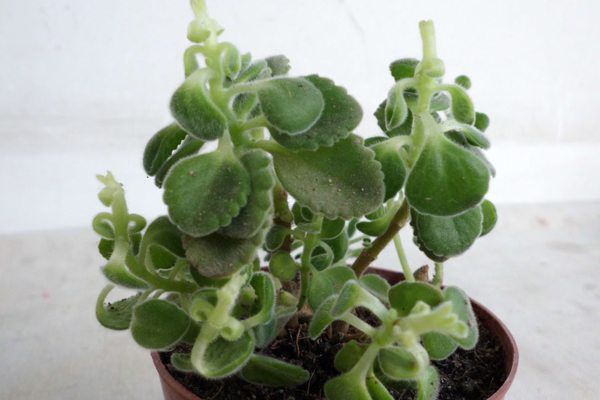
How to effectively prevent and control mealybugs on Cuban oregano
What to do when Cuban oregano gets mealybugs
-
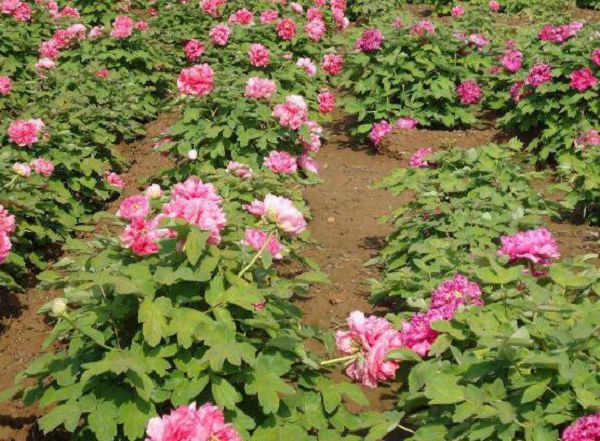
What to Do When a Peony's Roots Rot? Effective Solutions to Share
What to Do When a Peony's Roots Rot, Solutions for Peony Root Rot
-
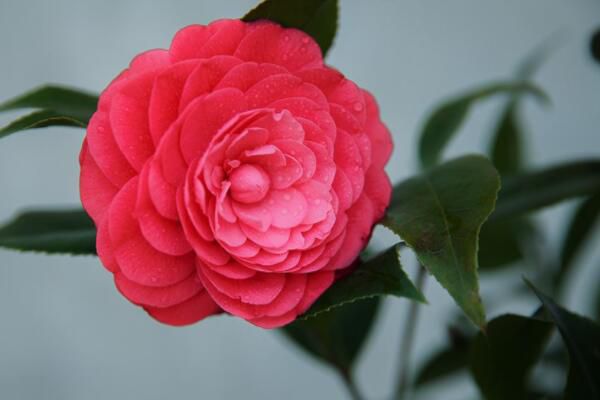
Camellia anthracnose is severe, what should you do? Teach you effective prevention and control methods
What to do when camellia has severe anthracnose
-
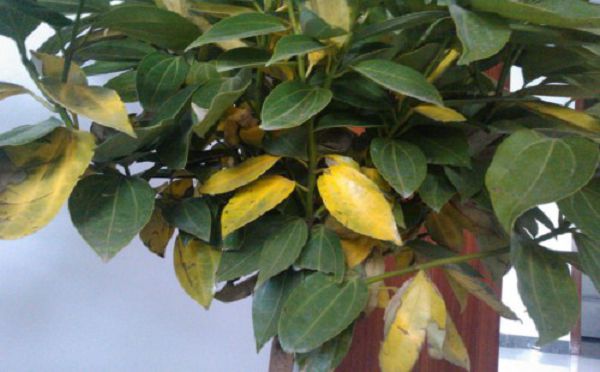
How to effectively treat dry and withered leaves on a potted Peace Lily tree
How to treat dry and withered leaves on a potted Peace Lily tree
-
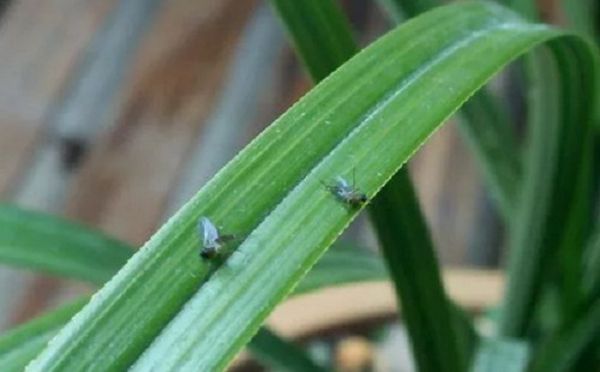
How to Deal with Small Flying Insects in Flower Pots? Effective Methods to Teach You
What to Do If There Are Small Flying Insects in Flower Pots?
-
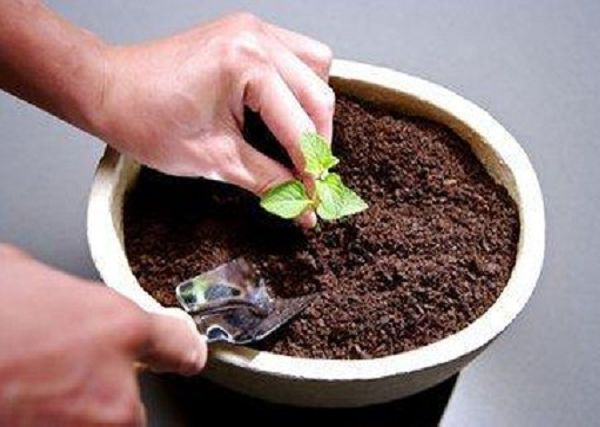
How to prevent potting soil from compacting? These methods are simple and effective
How to prevent potting soil from compacting
-
-

How to Effectively Prevent and Control Cherry Blossom Brown Spot Shot Hole Disease
I. Symptoms: Shot hole disease can be divided into fungal and bacterial types. Cherry blossom brown spot shot hole disease is caused by fungi. It mainly damages leaves and also infects new shoots. It usually starts from the lower part of the canopy and gradually spreads upward. In the early stage of the disease, needle-tip-sized purplish-brown small spots are scattered on the upper side of the leaves, later expanding into round or nearly round lesions 3-5 mm in diameter. The edges of the brown spots are purplish-brown, and grayish-brown mold spots appear on the lesions in the later stage. An abscission layer forms at the edge of the spot, and the lesion dries up and falls off, forming shot holes. II. Disease Pattern: The pathogen of cherry blossom brown spot shot hole disease overwinters in diseased leaves or shoot parts
-
How can cut-flower carnations be effectively protected against gray mold?
Symptoms: Elliptical, brown, large and wet spots first appear on the petals, then gray mold grows on them, and the petals and the whole flower rot as a result; the stems and flower buds can also be infected. Cause: Long-term exposure to low temperature and a humid environment. Control methods: Keep the plants as dry as possible, preferably using drip irrigation for fertilizer and water control; maintain good ventilation; spray 75% chlorothalonil at 500 times dilution, or carbendazim at 500 times dilution, alternating them, spraying once every 7 to 10 days; in the evening, a 10% procymidone
-
How to effectively prevent browning after harvesting lilies?
During the harvesting and storage of lilies, due to prolonged exposure to sunlight, the color of lily scales changes from white to brown, a condition known as browning. Browning is an oxidation reaction that occurs under the catalytic action of biological enzymes in lily scales. Browning reduces the quality of commercial lilies; if they are seed lilies, the germination rate of browned bulbs is low, causing seed rot. This year lilies matured early, and harvesting is expected around early July, so attention should be paid to preventing browning early. During harvesting, attention should be paid to shading and covering. Under strong direct sunlight, lilies dug from the soil are often prone to
条件筛选