What to Do When Zinnias Get Leggy? A Few Effective Solutions
Zinnia is a beautiful plant. Although it is called a "grass," it can still produce lovely flowers in a rich variety of colors, which is why many people adore it. Many people also grow it as an ornamental plant, but quite a few growers end up with leggy plants due to poor management, which seriously affects its ornamental value. So what should you do when zinnias get leggy? Let's take a look together.
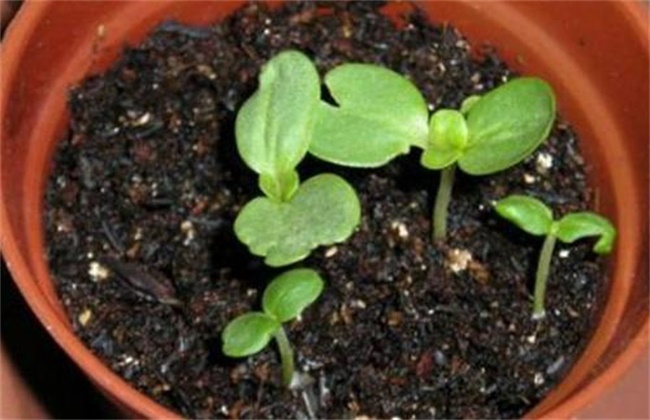
1. Lack of light
Zinnia is a plant that quite likes sunlight and needs ample light during growth. If it is grown in an environment without light or with weak light, its branches and leaves cannot carry out photosynthesis normally, and leggy growth will occur. In addition, excessive shading is also a common cause.
Solution: During the day, place the zinnia in sunlight for care, and in the evening you can move it to a warm indoor environment. Keeping 7-8 hours of light per day is enough. This will effectively inhibit its leggy growth. In addition, you can combine this with other care techniques for management.
2. Watering too frequently
Zinnia cannot grow and develop without water, but watering should not be too frequent either. If you water multiple times before the soil has dried out, it can very easily make the soil too wet, causing problems with root formation. Its leaves may then grow excessively or wither, and in severe cases the whole plant may die.
Solution: For leggy growth caused by watering too frequently, appropriately reduce the number of waterings. Generally, water again only when the potting soil is on the dry side, rather than watering frequently every day.
3. Overfertilizing
Scientific fertilization can make zinnia leaves emerald green, the flowers more brilliantly colored, and the flowering period longer, but fertilization should not be excessive either. If you overfertilize or apply only nitrogen fertilizer, it will cause nutrient excess or nutrient imbalance, making the plant's leaves thick and leggy and the branches grow too tall to differentiate flower buds.
Solution: Fertilize correctly starting from the seedling stage. When transplanting, add base fertilizer to the bottom of the flowerpot, then fertilize 2-3 times. Appropriately supplement with calcium fertilizer, apply one heavy fertilizer after pinching, and after the final pinching you can again apply phosphorus and potassium fertilizer, so that its flower colors become even more vivid.
4. Not pinching in time
Pinching is the best way to control zinnia's growth. During the seedling stage, if the tender buds at the top are not removed in time, the plant will keep growing upward, and the final result will be fewer side branches, an overly tall plant shape, and fewer flowers.
Solution: For zinnias, pinching should be done early rather than late. If you miss the best time for pinching, it will be relatively difficult to save the plant. If leggy growth is caused by pinching, you can only replant it, and afterward do the pinching properly again. Generally, you can begin pinching when the plant reaches 10 cm in height.
The above is an introduction to what to do when zinnias get leggy. We hope it helps you. If you want to learn more related knowledge, please stay tuned to us.