How to prevent potting soil from compacting? These methods are simple and effective
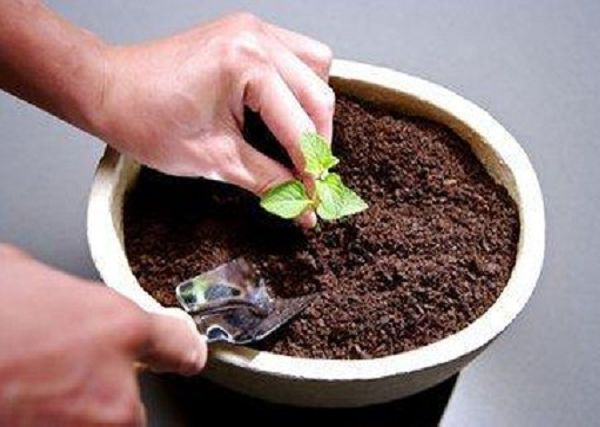
Potting soil compaction is an annoying thing, but any gardening friend who loves growing flowers in pots knows that potting soil compaction is hard to avoid. It is just that a poor soil mix is more prone to compaction than a good soil mix, and the former will compact earlier in time than the latter. Although we cannot avoid potting soil compaction, we can improve the soil structure and delay its occurrence.
In the previous article, we briefly introduced the causes of potting soil compaction. Based on those causes, we can take the necessary measures to delay this phenomenon. So what about in the short term? We mainly proceed from the following aspects:
1. Reasonable soil mixing
To prevent potting soil compaction, the first thing we need to consider is that the soil mix must be scientific and reasonable. This requires us to consider the structure of the potting soil, and the quality of the potting soil structure will directly affect the success or failure of growing potted flowering plants, so a scientific and reasonable soil mixing plan is very crucial.
When mixing soil for potted flowering plants, we generally need to focus on several aspects: fertility and looseness, looseness and water permeability, and water and fertilizer retention. But as for how to mix the soil, this also needs to be flexibly adjusted according to the growth habits of the plants being grown. Since different varieties of plants have different living habits, the soil mix cannot remain unchanged when mixing soil.
2. Correct watering
Although watering is a routine management measure, the knowledge of watering runs deep. Water quality is one issue that must be considered. Usually, clean river water or rainwater can be used directly to water potted flowering plants. But some gardening friends use tap water for watering just for convenience. Although this is also possible, it can only be done under certain conditions after all.
Fresh tap water often contains a large amount of bleaching powder and chlorine. If it is used directly to water plants, it will not only affect plant growth, but also promote potting soil compaction and even make the soil salinized and alkalized. So under normal circumstances, we should not use tap water for direct watering. Even if we do use it, it needs to be left to stand and air out for a few days in advance.
3. Use less chemical fertilizer
Although applying chemical fertilizer to supplement some nutrients during the growth of potted flowering plants can also promote plant growth to a certain extent, long-term use of chemical fertilizer can easily cause potting soil compaction. If we do not use chemical fertilizer, then how do we supplement nutrients for the plants?
In fact, not using chemical fertilizer does not mean not supplementing nutrients for potted flowering plants. Besides chemical fertilizer, we can also supplement the plants with organic fertilizer, such as human and livestock manure. It is just that before use it needs to be fully composted and disinfected, and only then is it safe to use. This is because organic fertilizer will loosen the potting soil during its gradual transformation and decomposition, thus producing countless tiny gaps, increasing the permeability of the potting soil, and making the potting soil less prone to compaction.
4. Loosen the soil in time
Sometimes, the potting soil will become compacted for various reasons, such as not having repotted or turned the soil for a long time, especially after heavy rain washing. But considering that the process of changing soil is rather cumbersome, can we consider keeping the potting soil loose without changing the soil? There are methods, it just depends on how we do it. In fact, loosening the soil is a very good measure to deal with this.
Experienced gardening friends naturally know that loosening the soil at the right time for potted flowering plants is an important means of keeping the plants growing well. After loosening the soil, the originally compacted soil also becomes loose. Not only is the permeability improved, but the water absorption and retention effect is also better, so it is more conducive to plant growth. But this method also has certain drawbacks, namely that the operation must be careful and cautious to avoid damaging the plant roots when loosening the soil. And some plants are rather delicate. Once the roots are damaged, they are prone to wilting, yellowing leaves, leaf drop, drying up, and other phenomena, and in severe cases may even die. So when loosening the soil, we should operate cautiously.