Forsythia: A Detailed Explanation of Its Benefits, Effects, Side Effects and Contraindications
I. Benefits and Effects
1. Clearing heat and detoxifying: Its main benefit is that it can clear heat and detoxify; in many clinical settings it is mostly used to treat wind-heat, and can relieve discomfort such as cough, headache and fever.
2. Protecting the liver: It can also protect the liver; after consumption it can help lower transaminases, ensure that ribonucleic acid and hepatic glycogen levels remain within a normal range, and can also effectively relieve the phenomenon of liver cell necrosis.
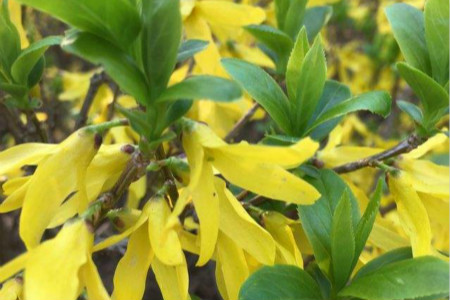
3. Antibacterial: In addition, it also has an antibacterial effect, which can include Salmonella typhi, Vibrio cholerae, streptococci, Escherichia coli, staphylococci and others. This is because it contains forsythiaside A, volatile oil and forsythol, which have a good bacteriostatic effect.
4. Regulating blood pressure: After reasonable use it can play a role in regulating blood pressure. For animals with high blood pressure it can lower blood pressure, and for animals with low blood pressure it can raise blood pressure. Because it can dilate blood vessels and improve blood perfusion, it has the effect of stabilising blood pressure.
II. Side Effects and Contraindications
Although it has many benefits, it also has side effects, and it must be used under a doctor's instructions to avoid undesirable consequences. It can easily cause indigestion, diarrhoea and so on. During the course of consumption and treatment it can also easily damage the liver and kidneys, and occasionally there may be symptoms of hepatotoxicity. In addition, there may also be allergic reactions, with rashes appearing.