-

Prevention and Treatment Methods for Common Autumn Diseases in Foxes and Raccoon Dogs
The cause of gastroenteritis is mainly improper feeding and management, sudden feed changes or spoiled and deteriorated feed, excessive feed intake, etc.; in addition, long-distance and prolonged transport, extreme fatigue of the animals, and reduced body resistance can also cause this disease; furthermore, diseases such as canine distemper, pasteurellosis, and colibacillosis can cause secondary gastroenteritis. The clinical manifestations are reduced appetite at the beginning of the disease, sometimes vomiting, complete loss of appetite in the later stage, congestion of the oral mucosa, dryness and fever, listlessness, and reluctance to move. The abdomen is tucked up, the back is arched, and bowel sounds
-
Occurrence Patterns and Control Methods of Viral Diseases in Solanaceous Crops
In the southern Guangxi region, the winter climate is warm with no obvious frost, making it a great place for growing winter vegetables to be shipped from the south to the north. Therefore, after harvesting the late rice, farmers grow winter vegetables to supply the market after the Spring Festival, achieving relatively high economic returns and writing a new chapter of "the plan for the year lies in autumn and winter." This has become another way for local farmers to get rich and move toward a moderately prosperous life. Among the many vegetable varieties grown, solanaceous vegetables (tomato, pepper, eggplant) are favored by local farmers for their unique planting advantages. According to statistics, the perennial planting area is around 80,000 mu, and the planting area is predicted to keep rising year by year.
-
Ginger, garlic and vinegar are the three great treasures for treating pig diseases
If a pig has an external injury, peel fresh ginger, wash it clean and mash it into a paste, then apply it to the wound to stop the bleeding. Replace the ginger paste once every 1 day, and after 1 week the pig's wound can heal completely. Take two heads of garlic, peel them and mash them into a paste, mix with 0.2 kg of water and pour it into the pig's stomach; this can disinfect and sterilize, and for piglets the amount can be halved as appropriate. Soak 100 grams of garlic and 50 milliliters of alcohol for one week, then take 10-20 milliliters of the liquid and administer it to the pig by drenching; this can treat gastrointestinal disorders in pigs. For every square meter of space, dilute 10 milliliters of vinegar with 1 times its amount of water, place it in a container and heat it to evaporate,
-
Prevention Methods and Technical Key Points for Diseases of the European Eel
(1) Do a good job of water disinfection, using effective drugs and methods to kill parasites, viruses and bacteria in the water: ① Evenly splash the whole pond with 0.3 g/m3 (cubic meter) Yuchongqing No. 2 once every 6 days, to kill parasites and eggs in the water and prevent dactylogyrosis; ② Splash the whole pond with 0.2 g/m3 of chlorine-rich disinfectant once every 6 days, to kill viruses and bacteria in the water; ③ Splash the whole pond with 0.3 g/m3 of Manjing once every 6 days, to kill bacteria, fungi and protozoa in the water. Note: the above three
-
What four diseases can pig bile treat? Detailed explanation of its effects and functions
1. Treating indigestion. Take one pig bile, 15 grams of mashed garlic, add some mung bean powder and mix evenly, make into pills the size of apricot kernels, feed each pig 2 times a day, 1 pill each time, 3 days as one course of treatment. 2. Treating gastroenteritis. Stuff soybeans into the pig bile, dry in the air, then take them out, feed each pig soybeans 2 times a day, 20-30 grams each time. 3. Treating pneumonia. Take one fresh pig bile, stuff crushed alum into the bile, filling it appropriately, dry in the air, then grind into powder for later use. For pigs over 50 kg, administer 9-12 grams
-
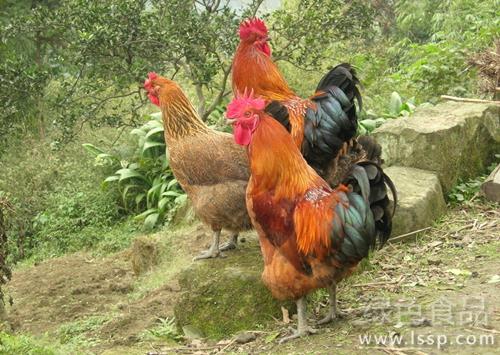
Chicken diseases affect weight gain and egg production, folk remedies to help you
Chicken diseases affect weight gain and egg production, chicken raising requires disease prevention, folk remedies to help you
-
Comprehensive Prevention and Control Methods and Techniques for Common Rhododendron Diseases
The main diseases of rhododendrons include root rot, brown spot, black spot, leaf blight, and iron deficiency chlorosis. After a rhododendron contracts root rot, its growth weakens, the leaves wilt and dry up, and water-soaked brown patches appear on the root surface; in severe cases soft rot develops, with gradual decay and peeling of the bark, and the xylem turns black. This disease occurs most easily under conditions of high temperature and high humidity. The control method is to strictly disinfect the potting soil before repotting, and to keep the soil loose and moist with good permeability, avoiding waterlogging. If an affected plant is found, promptly deal with the diseased plant and the potting soil. For treatment
-
What are the main pests and diseases of bonsai ficus trees?
1. Sooty mold. Sooty mold mostly occurs under high temperature and high humidity conditions, accompanied by aphids and scale insects. Control measures are: (1) create conditions of ventilation and light penetration for the plant; (2) reduce air humidity; (3) scrub the diseased spots with a brush dipped in water; (4) promptly eliminate aphids and scale insects; (5) spray for protection. From June to August, spray once every 10 to 14 days with 120-160 times equal-amount Bordeaux mixture, or 70% thiophanate-methyl 700-800 times solution, or 50% carbendazim wettable powder 500-80
-
What are the classifications of common diseases in dogs?
Common diseases in dogs can actually be divided into several major categories: malignant infectious diseases, non-malignant diseases, functional diseases, and nutritional diseases. 1. Malignant infectious diseases: mainly canine distemper, canine parvovirus, infectious hepatitis, rabies and other highly contagious and fatal diseases. Among them, rabies is a zoonotic disease. These diseases have many routes of transmission and a relatively low cure rate. Although corresponding vaccines are now available, they are still the number one killer for puppies and dogs that have been vaccinated but whose resistance has dropped sharply for some reason (dogs recovering from a serious illness, dogs that have just given birth, dogs that have just undergone surgery, dogs that have just been bought). Therefore, vaccination for puppies and booster vaccination for those with low resistance are both very important. For these diseases, blood tests can provide results and enable early treatment.
-
What are the treatment methods for fox skin diseases?
There are mainly two common skin diseases in foxes: one is mange; the other is fungal disease. Mange can infect any part of the body. Apart from hair loss, the affected areas appear grayish-white and shed large amounts of dander. Affected foxes show severe itching and pain; the lesions bleed from biting and rubbing, forming thick scabs, and the affected areas are irregularly shaped. Fungal infections cause only mild itching, and the affected areas mostly appear as round ringworm patches with clearly defined borders. After the scabs fall off, the skin appears bright red, moist, and erosive on the surface, often with residual hairs. If diseased material is collected, processed, and examined under a microscope, the two
条件筛选